
Keerthika Technologies,
2-39/1/B, Beside DENA
Bank, Gowthami Nagar,
Chandanagar, Hyderabad,
India - 500050
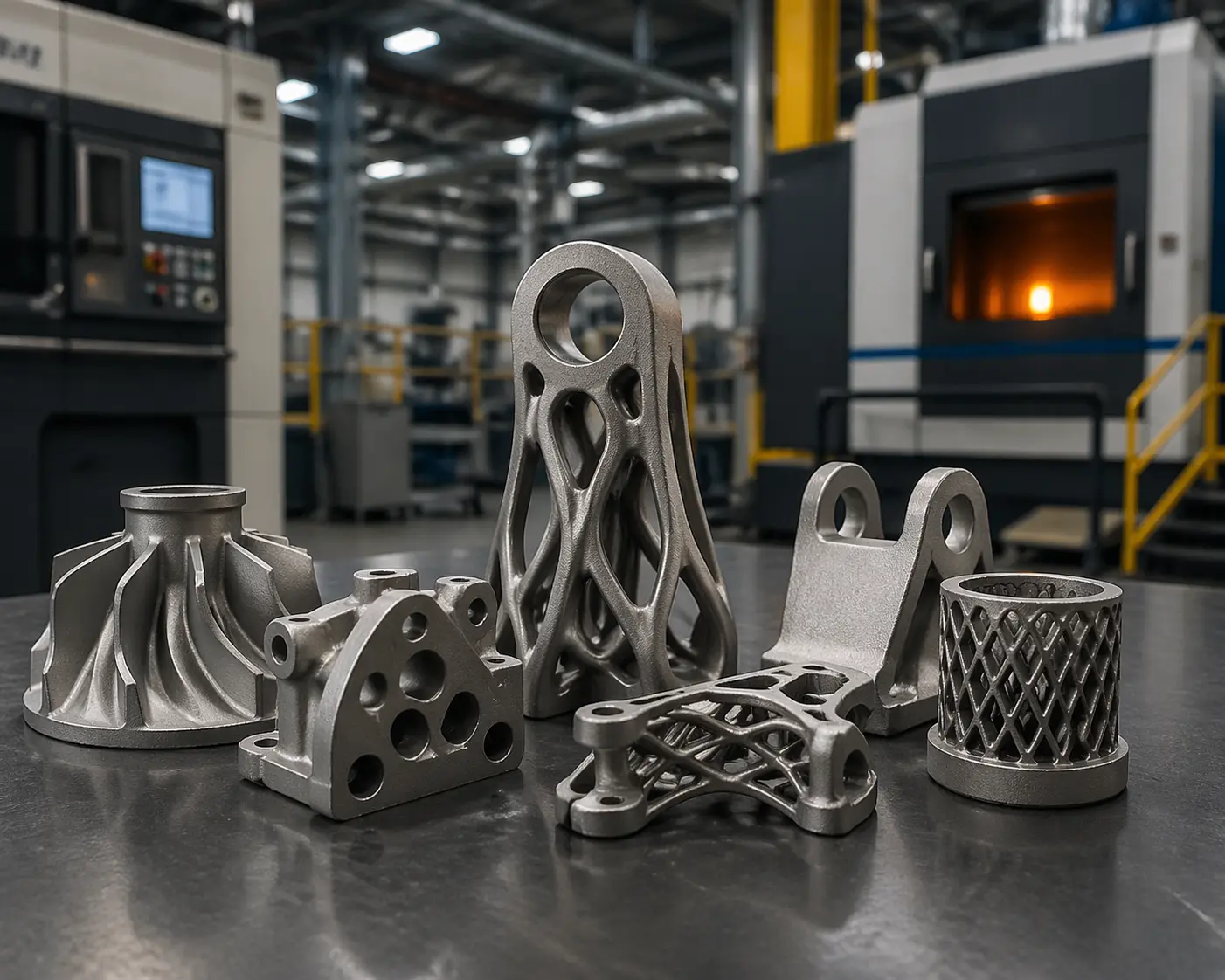
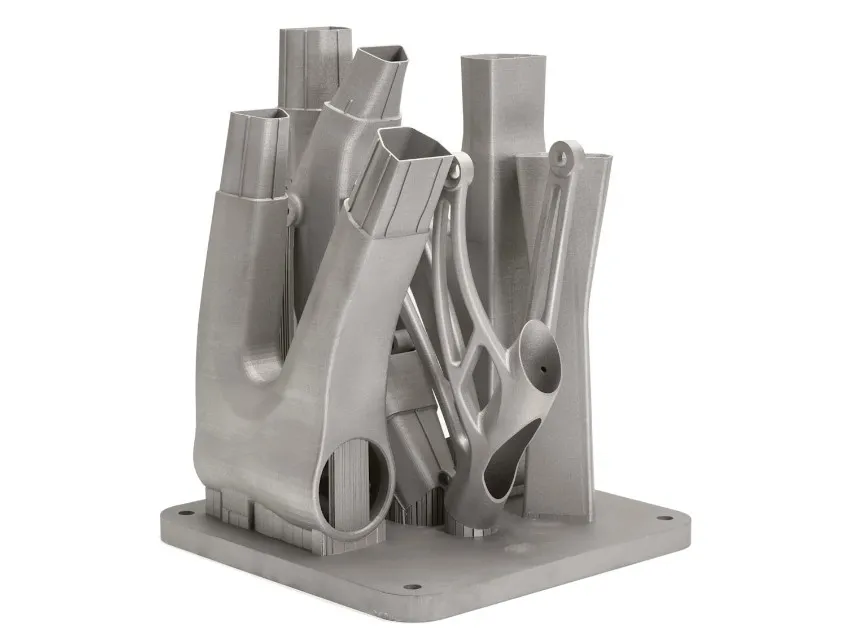
Direct Metal Laser Sintering — production-grade metal parts in Stainless Steel, Aluminium, Titanium, Inconel, Cobalt-Chrome, and Maraging Steel. Precision additive manufacturing for the most extreme engineering demands.
MAX BUILD VOLUME
MIN LAYER THICKNESS
METAL ALLOYS
Fully dense parts matching wrought material properties
Fibre laser fuses metal powder at up to 1600 °C per layer
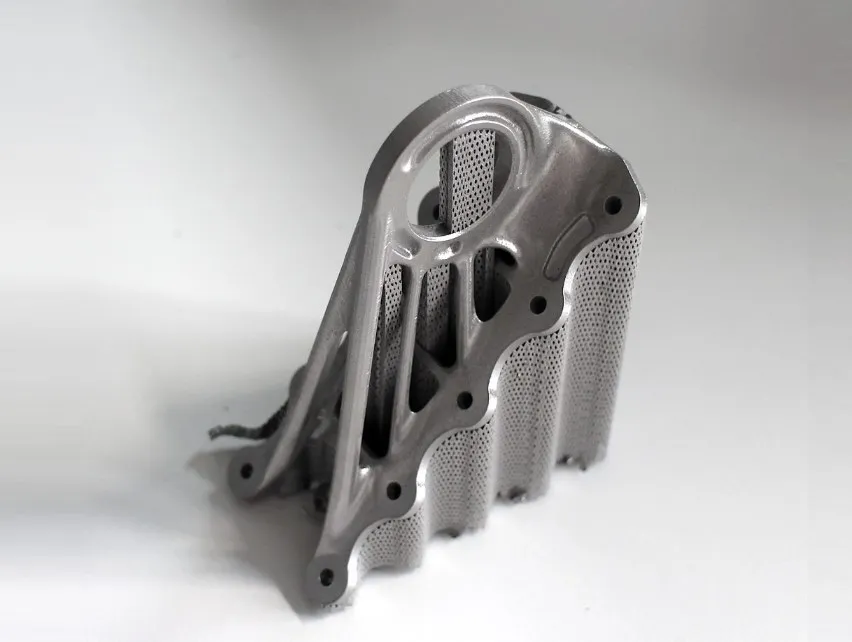
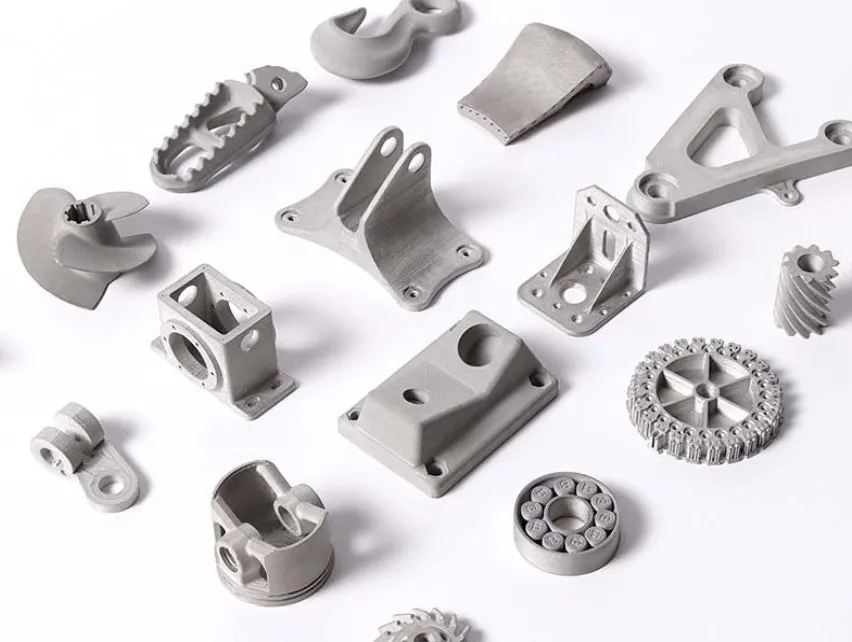
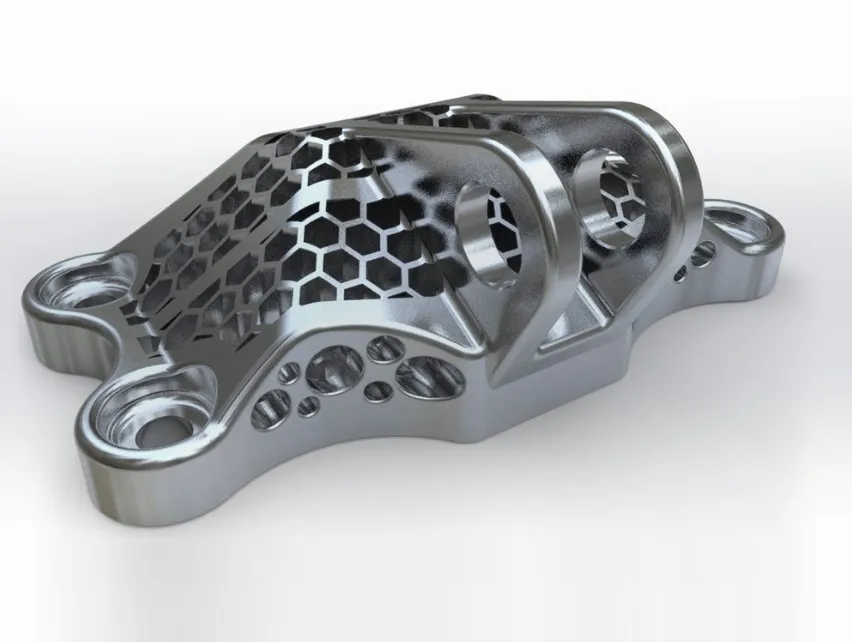
Internal channels, lattices & topology-optimised structures
SS 316L, AlSi10Mg, IN 718, Ti6Al4V, CoCrW, Maraging steel, 17-4 PH, and commercially pure titanium powder
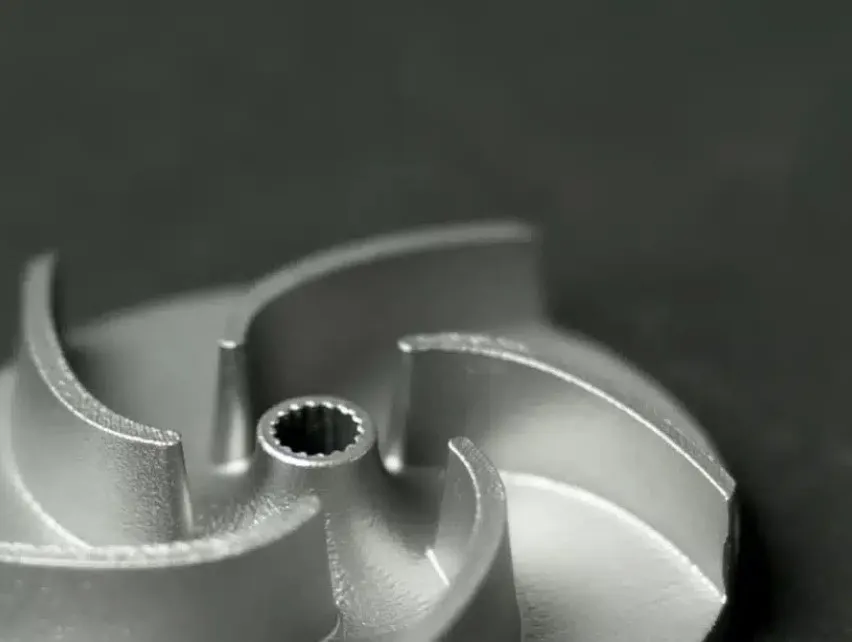
Direct Metal Laser Sintering (DMLS) and Selective Laser Melting (SLM) are powder bed fusion technologies that use a high-powered fibre laser to fuse metal powder particles layer by layer into fully dense, structural metal components.
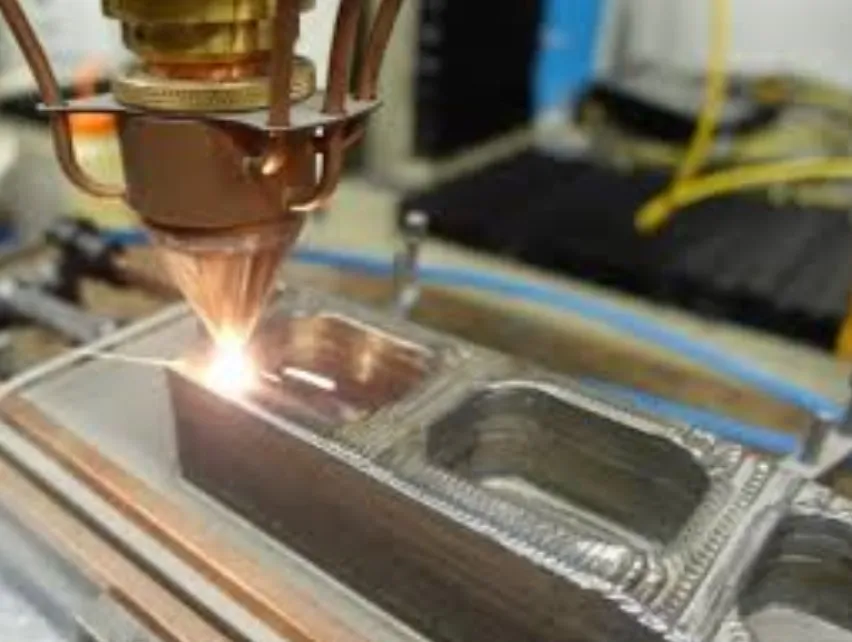
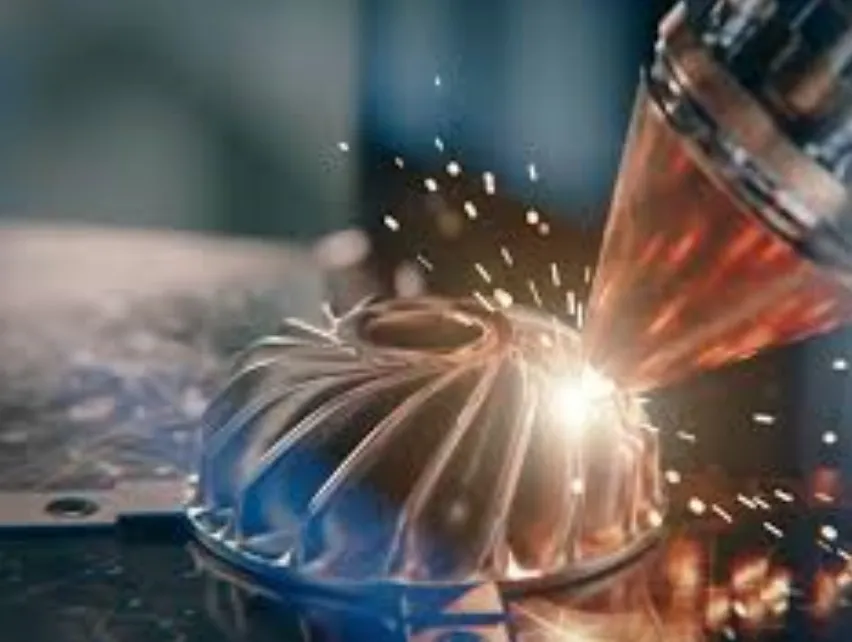
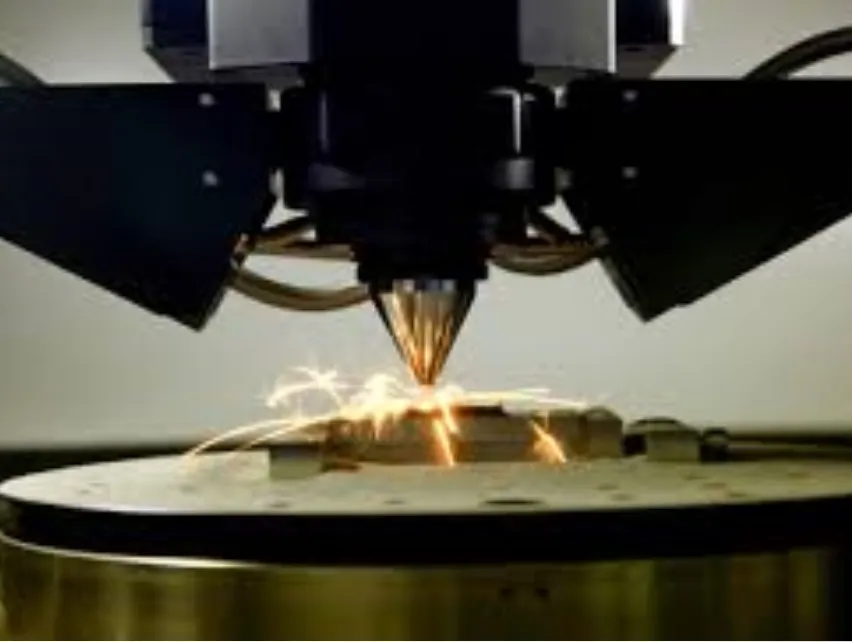
A high-power fibre laser melts and fuses metal powder particle by particle — building fully dense structural metal parts from the ground up.
Your STL, STEP, or OBJ file is reviewed by our engineers for metal-specific DfAM (Design for Additive Manufacturing) considerations — wall thickness, support strategy, thermal management, and build orientation are all optimised before printing begins.
The build chamber is flooded with inert argon or nitrogen gas to prevent oxidation. The selected metal alloy powder (15–45 µm particle size) is loaded and the build platform is heated to the material-specific pre-heat temperature.
A 200–1000W fibre laser scans the powder bed according to the sliced cross-section, fully melting and fusing metal particles at temperatures exceeding 1600 °C. Each layer is typically 20–80 µm thick. The build platform descends after each layer and fresh powder is rolled over.
After printing, parts undergo a mandatory stress relief cycle inside the build chamber at elevated temperature. This relieves residual thermal stresses introduced during the rapid heating and cooling of the laser fusion process, preventing warping and cracking on support removal.
Parts are separated from the build plate via EDM wire cutting or band saw. Metal support structures are removed by hand tools, CNC machining, or EDM depending on geometry. All residual powder is removed by bead blasting.
Parts are inspected dimensionally and visually against the 3D model. Optional post-processing (CNC machining, polishing, anodising, PVD coating, or heat treatment) is applied before final quality sign-off and shipment.
All alloys delivered in natural metal finish. CNC machining, polishing, and surface coating available on request.
Low-carbon austenitic stainless. Excellent corrosion resistance, good ductility, and broad chemical compatibility.
Lightweight aluminium-silicon-magnesium alloy. High strength-to-weight ratio, good thermal conductivity, and thin-wall capability.
Precipitation-hardened nickel-chromium superalloy with exceptional strength retention up to 700 °C. The go-to alloy for extreme environments.
Exceptional strength-to-weight, excellent biocompatibility, and outstanding corrosion resistance. 60% lighter than steel.
High-strength cobalt-based superalloy with excellent wear resistance, corrosion resistance, and biocompatibility. Ideal for high-temperature and medical applications.
Low-carbon iron-nickel steel known for exceptional toughness, hardness, and dimensional stability after heat treatment. Excellent for tooling and aerospace applications.
Martensitic stainless steel combining high strength, good corrosion resistance, and excellent mechanical properties after heat treatment. Widely used in industrial and aerospace sectors.
Commercially pure titanium offering excellent corrosion resistance, lightweight performance, and outstanding biocompatibility. Suitable for medical and chemical processing applications.
Metal additive manufacturing compresses timelines, eliminates tooling, and unlocks geometries impossible with any other manufacturing method.
Eliminate die-casting, forging, and CNC fixture costs. Go from digital file to production metal part without a single piece of tooling — dramatically reducing upfront investment for low-to-medium volume production.
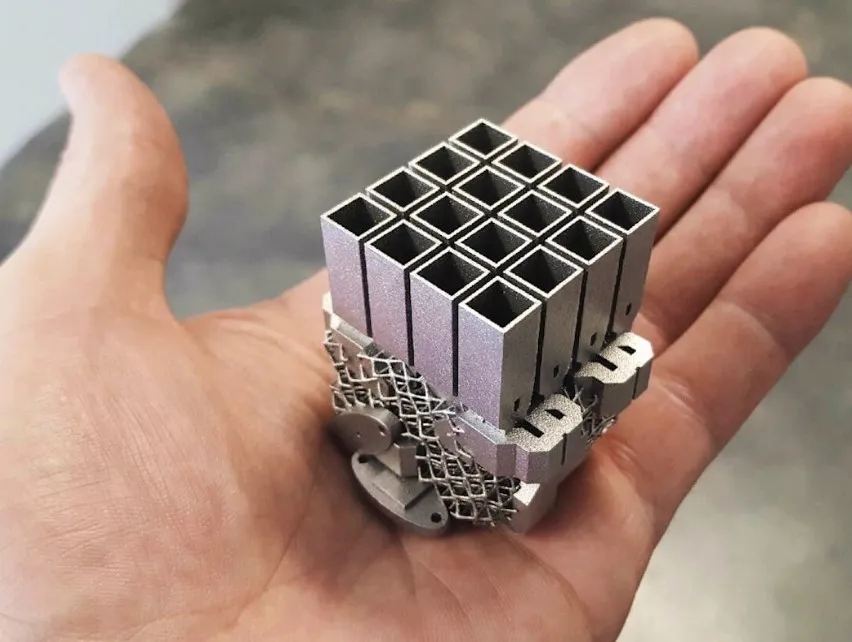
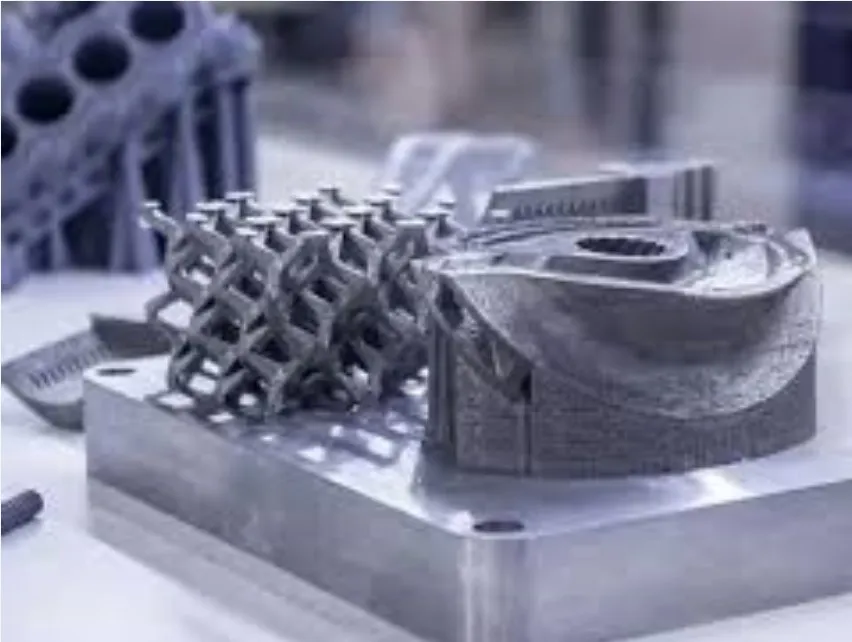
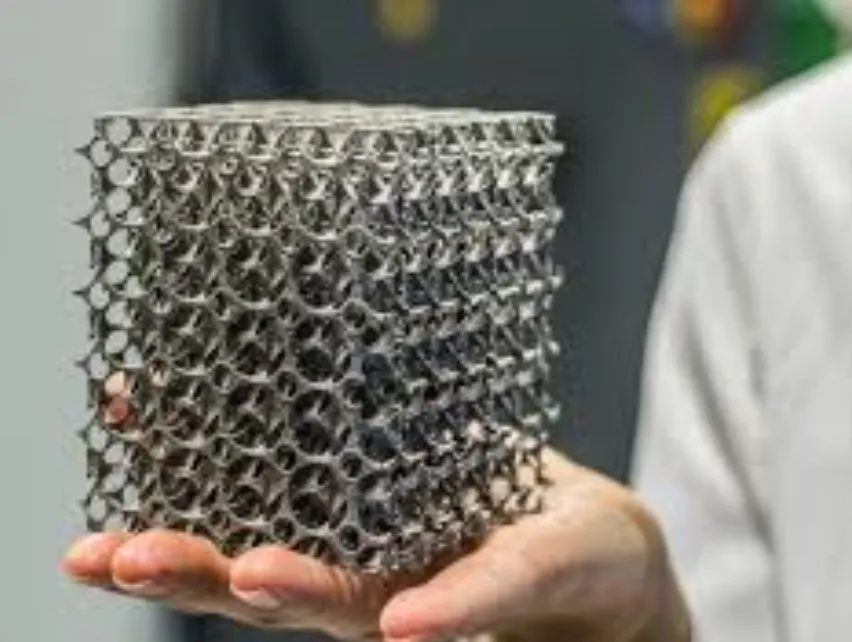
Internal conformal cooling channels, topology-optimised lattices, undercuts, and organic shapes are all achievable in a single print — without assembly or additional machining steps.
DMLS/SLM produces parts with >99% density and mechanical properties that match or exceed cast equivalents. Fully dense microstructure with fine grain size yields excellent fatigue resistance.
Metal powder bed fusion uses only the material required to build the part — generating up to 80% less material waste compared to CNC subtractive machining from billet, particularly valuable for expensive superalloys.
From digital file to finished metal part in as few as 5–7 business days. No casting lead time, no tooling manufacture, no minimum order quantity constraints.
Ti6Al4V, CP Titanium, and CoCrW are established biocompatible engineering alloys used in research, dental, and implant-related workflows, with final device suitability dependent on the end-use application, regulatory path, and customer validation.
Full technical specification of Garuda3D's DMLS/SLM metal printing service. Values are material-dependent; consult our team for alloy-specific parameters.
Industrial-grade post-processing solutions for functional, cosmetic, aerospace, medical, and end-use metal parts.
Mandatory thermal cycle performed after printing to remove residual stresses generated during laser fusion. Prevents warping, cracking, and distortion during support removal.
Controlled abrasive blasting process used to clean and texture the surface uniformly. Removes residual powder, oxidation, and minor surface imperfections while improving surface consistency and appearance.
Precision CNC finishing for critical tolerances, threaded features, sealing surfaces, and mating interfaces requiring tight dimensional control.
Uniform matte surface finish achieved through controlled abrasive blasting. Removes loose powder particles and improves cosmetic appearance.
Manual finishing process involving filing and progressive sanding to smooth sharp edges, layer marks, and support contact areas. Enhances surface quality and prepares parts for painting, coating, or final assembly.
Protective and decorative surface coatings for aluminium and titanium alloys. Improves corrosion resistance, hardness, and aesthetics.
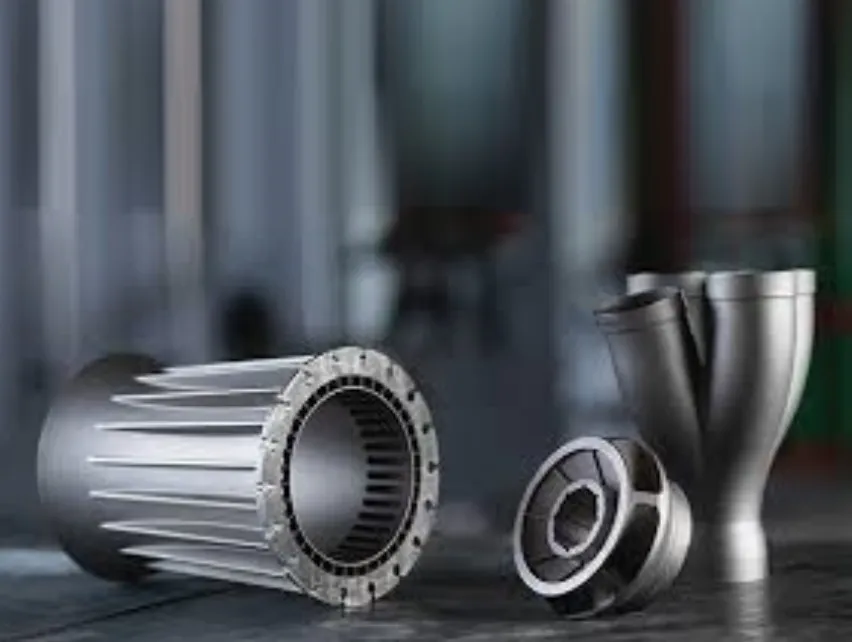
Production-grade metal additive manufacturing for aerospace, medical, automotive, energy, defence, robotics, and high-performance engineering sectors.
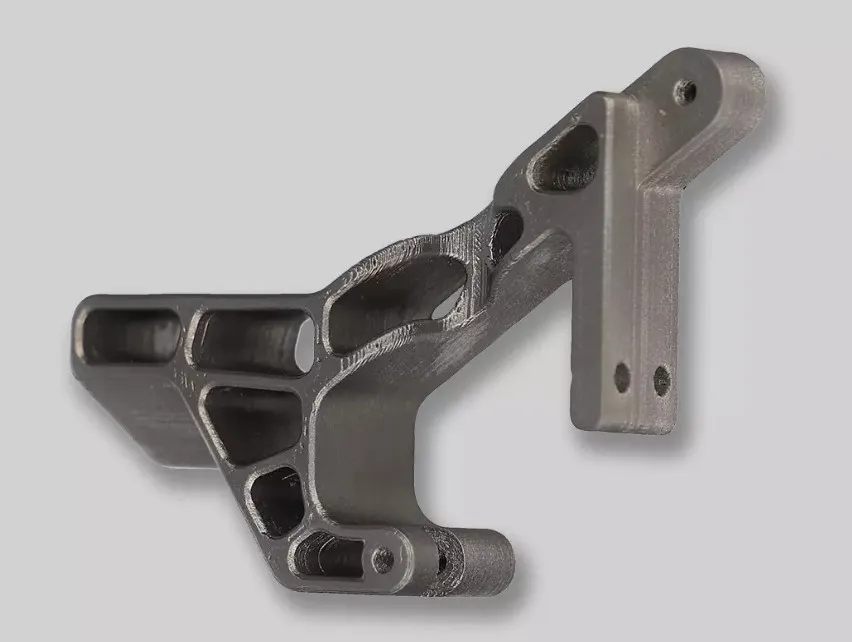
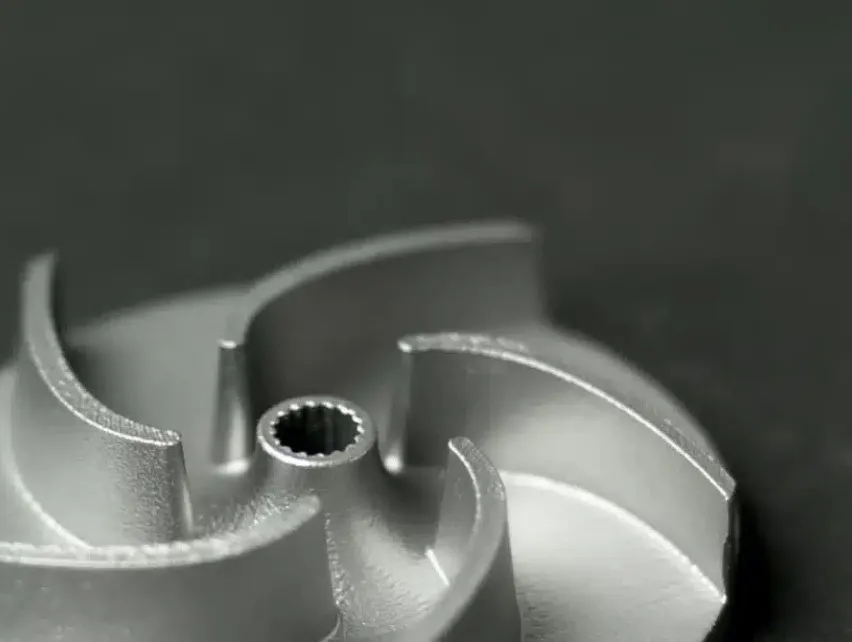
Lightweight topology-optimised brackets, turbine components, fuel nozzles, heat exchangers, and flight-ready structural parts.
Biocompatible titanium and CoCrW parts for research devices, dental study models, surgical guides, and early-stage implant-related prototyping with customer-specific validation.
High-performance lightweight metal components for racing, EV platforms, cooling systems, and rapid prototyping applications.
Mission-critical metal components with complex internal geometries for defence systems, UAVs, satellites, and propulsion systems.
Conformal cooling mould inserts, manufacturing jigs, fixtures, and high-wear industrial tooling with reduced cycle times.
Corrosion-resistant and high-temperature metal components for turbines, heat exchangers, oil-field tooling, and energy systems.
Compare DMLS/SLM metal additive manufacturing against traditional metal fabrication technologies.
| PARAMETER | METAL 3D PRINTING | CNC MACHINING | CASTING | METAL INJECTION MOLDING |
|---|---|---|---|---|
| Geometry Complexity | Excellent | Limited | Moderate | Moderate |
| Internal Channels | Possible | Impossible | Limited | Limited |
| Tooling Required | No | No | Yes | Yes |
| Material Waste | Low | High | Moderate | Moderate |
| Lead Time | 5–14 Days | 2–10 Days | 3–8 Weeks | 4–10 Weeks |
| Production Volume | Low–Medium | Low–Medium | Medium–High | High |
| Surface Finish | Moderate | Excellent | Moderate | Good |
| Design Iteration Speed | Excellent | Good | Slow | Slow |
| Lightweight Structures | Excellent | Limited | Limited | Limited |
| Part Consolidation | Excellent | Limited | Impossible | Impossible |
Everything you need to know about our metal 3D printing service — alloys, post-processing, tolerances, and lead times.
We'll send you useful updates, industry insights, and the latest news directly to your inbox
Redirecting to our main website in 5 seconds
Explore our Main website nowWe use necessary browser storage to make this site work. With your permission, we also use Google Analytics to understand how visitors use the site. Read our Cookie Policy.
Choose which optional technologies you allow. You can change these choices at any time from the footer.

