
Keerthika Technologies,
2-39/1/B, Beside DENA
Bank, Gowthami Nagar,
Chandanagar, Hyderabad,
India - 500050
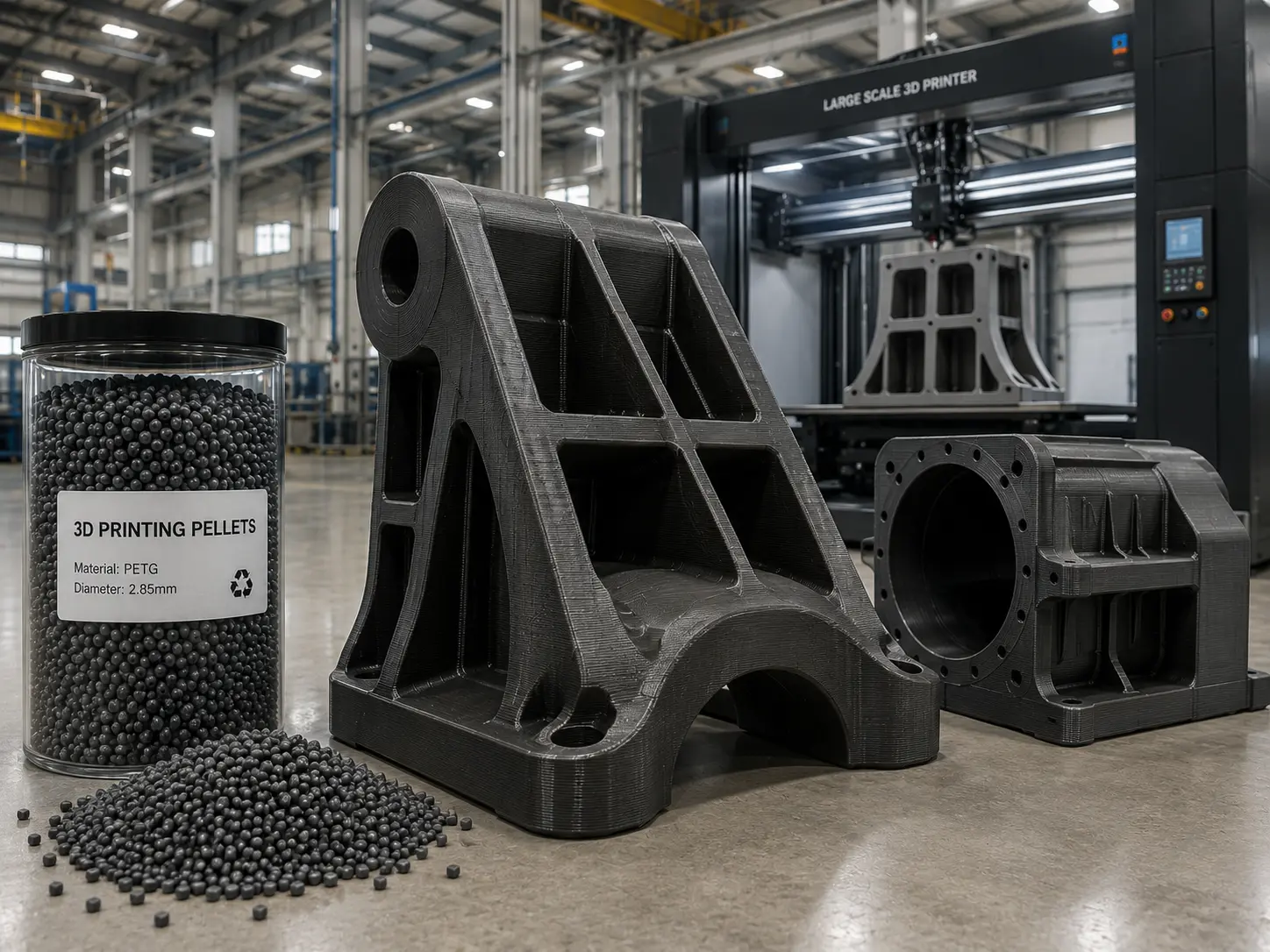
LOWER MATERIAL COST
PELLET MATERIALS
LARGE FORMAT PRINTING
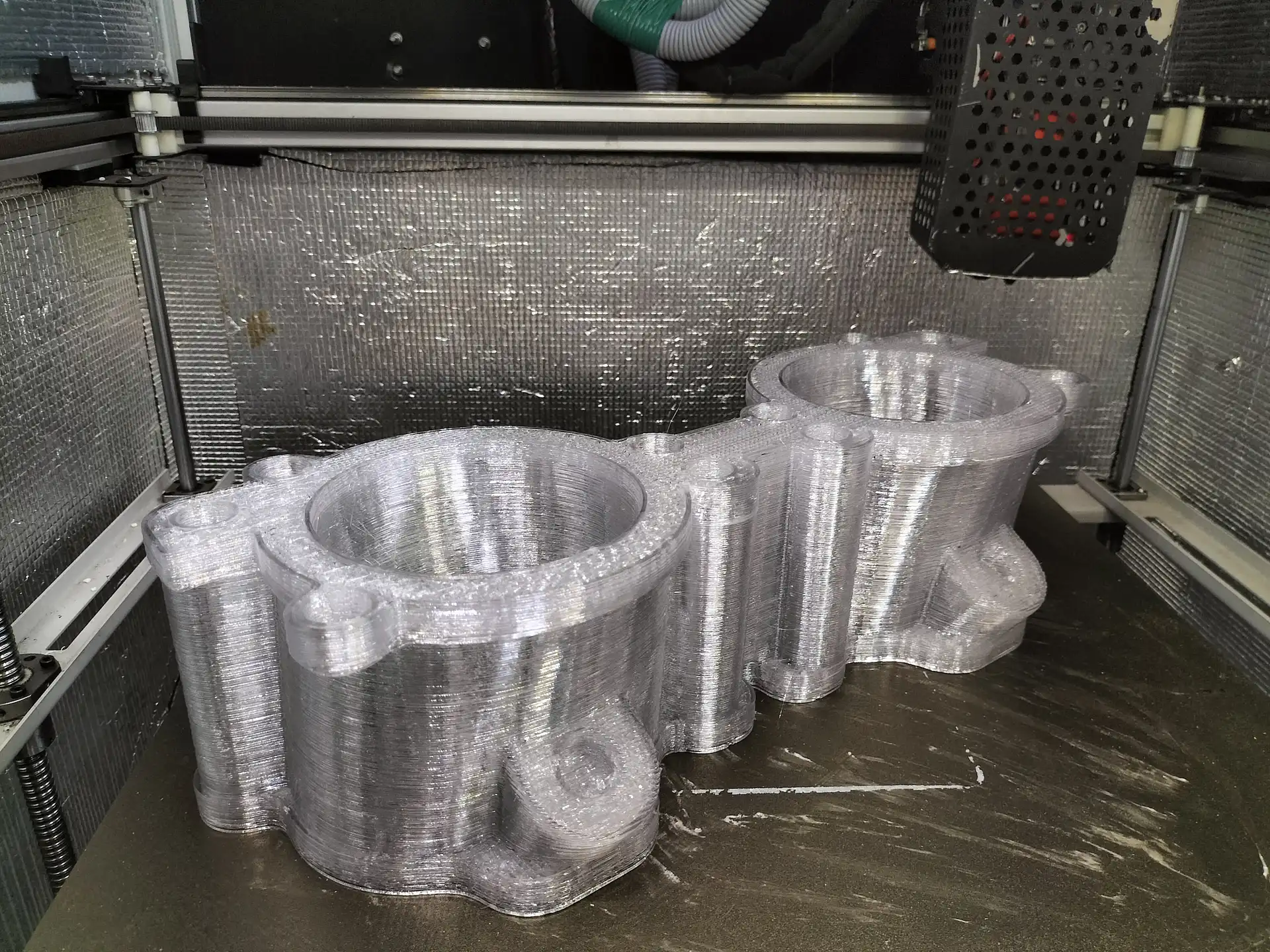
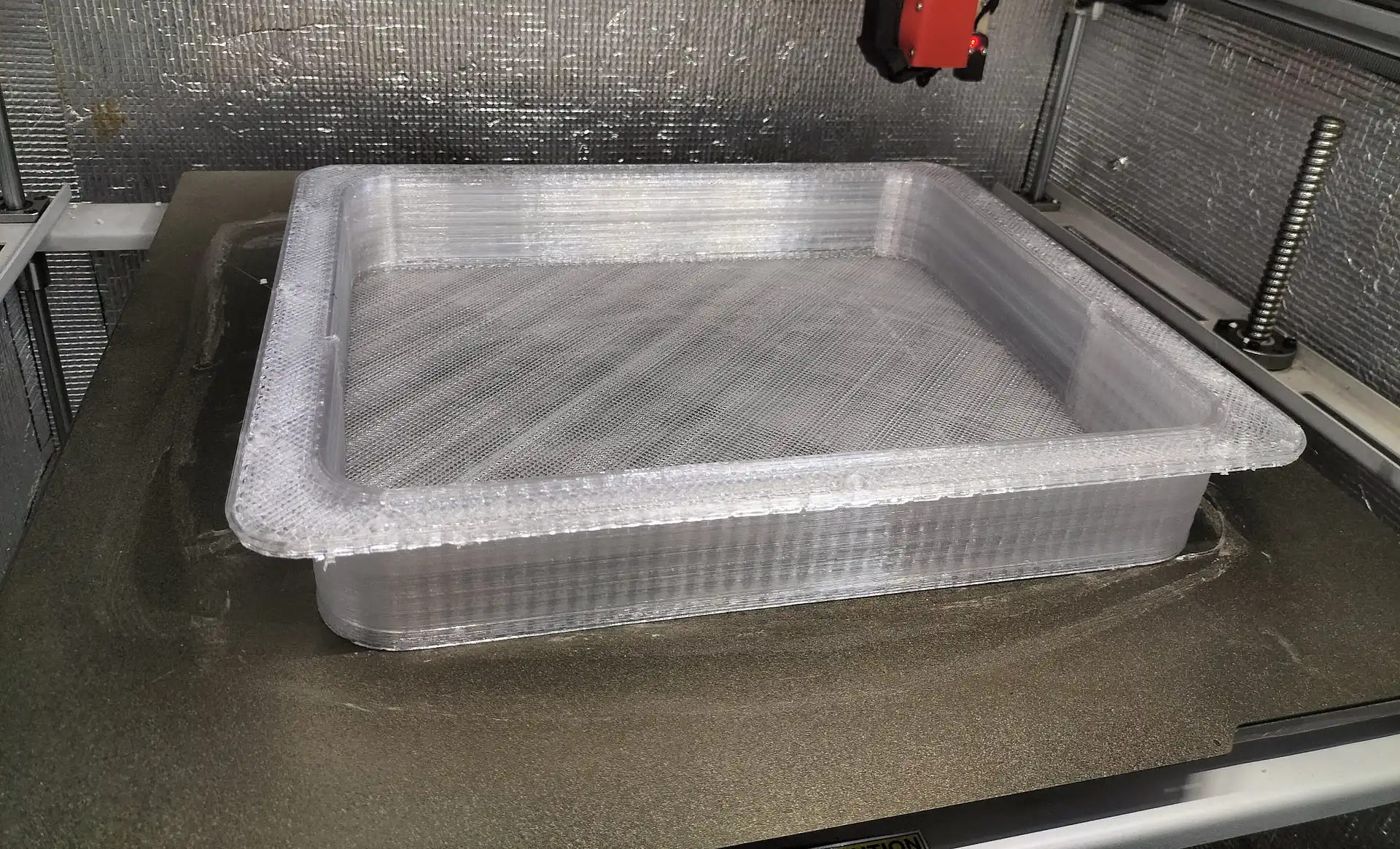
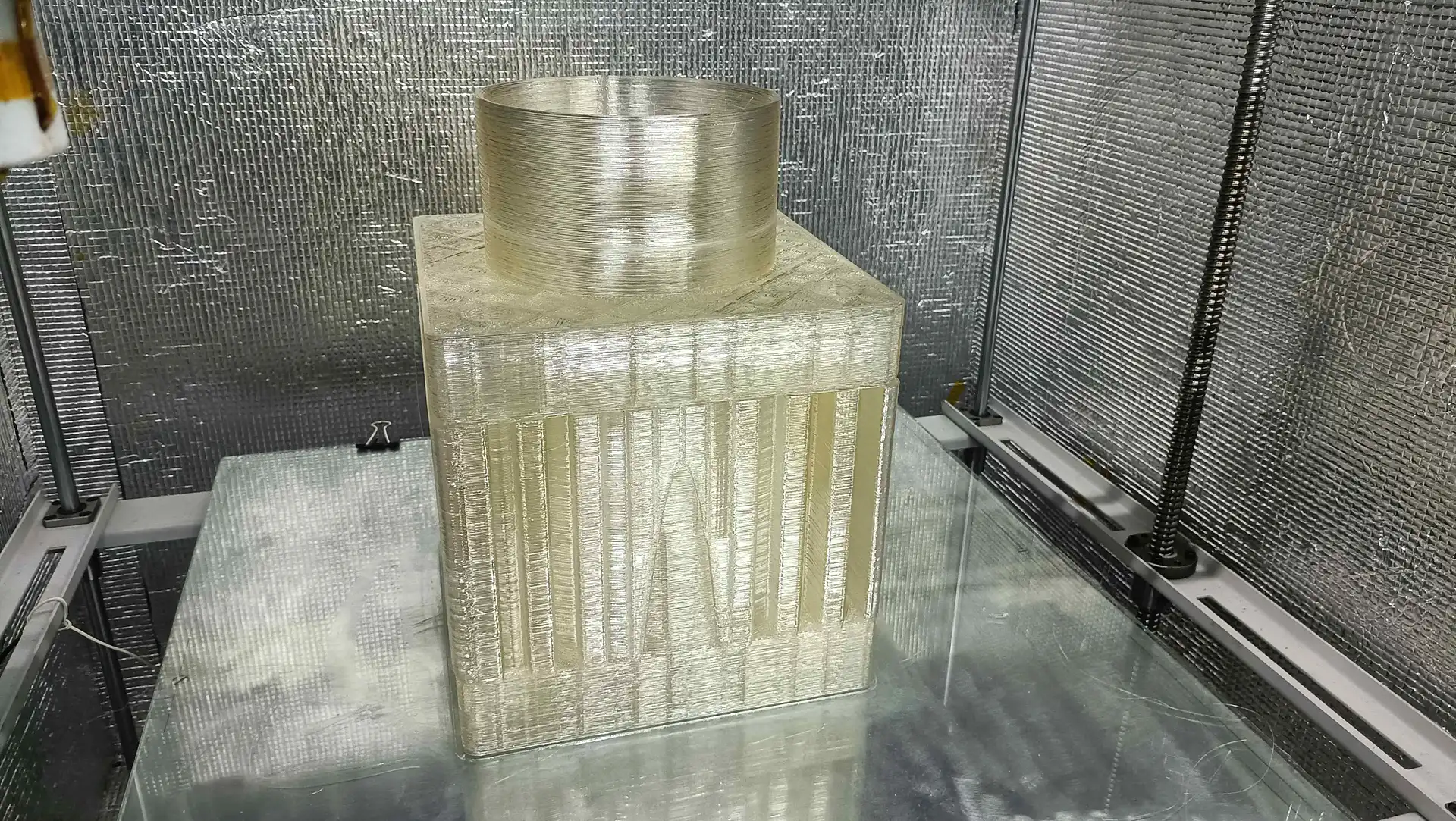
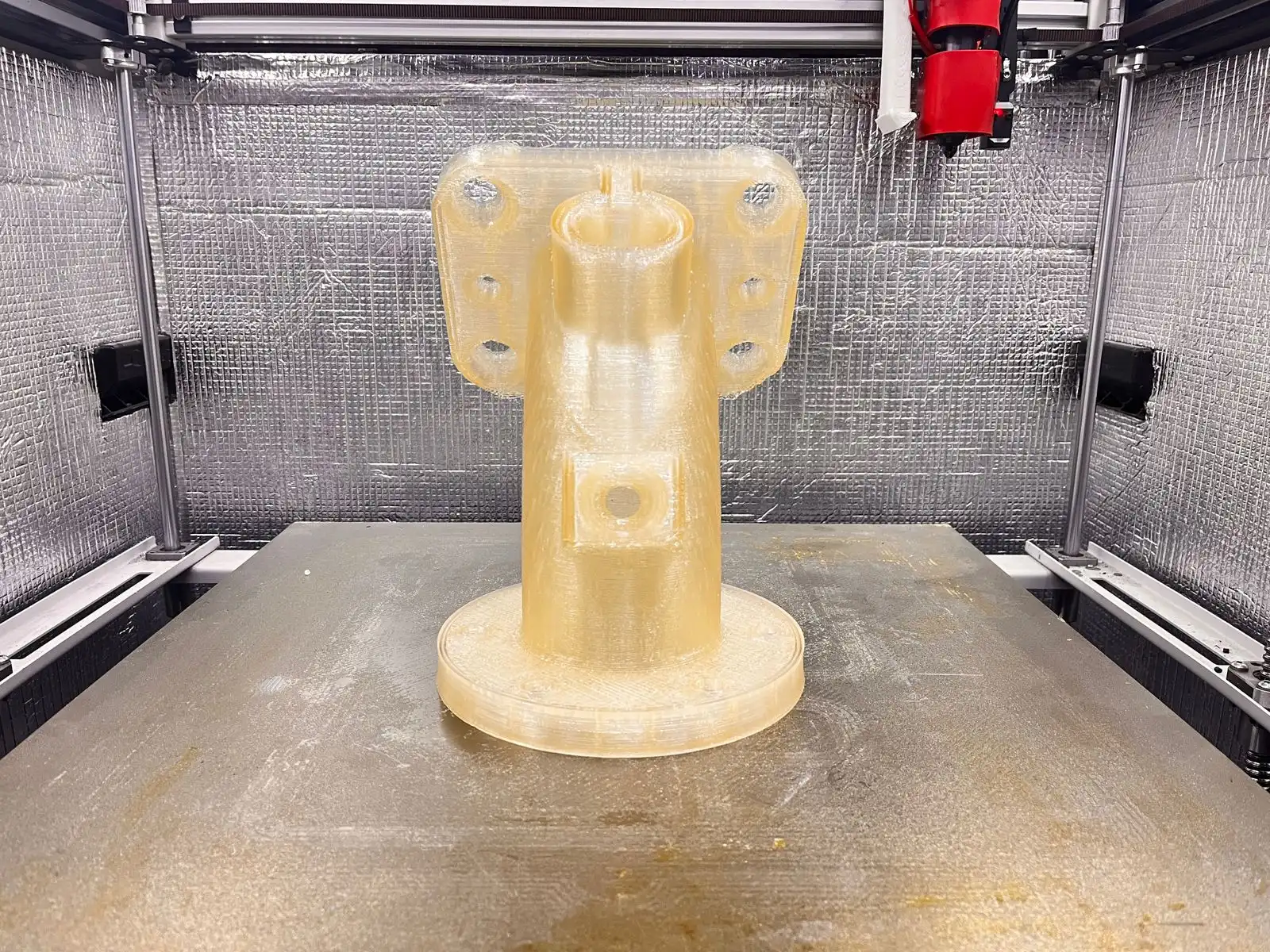
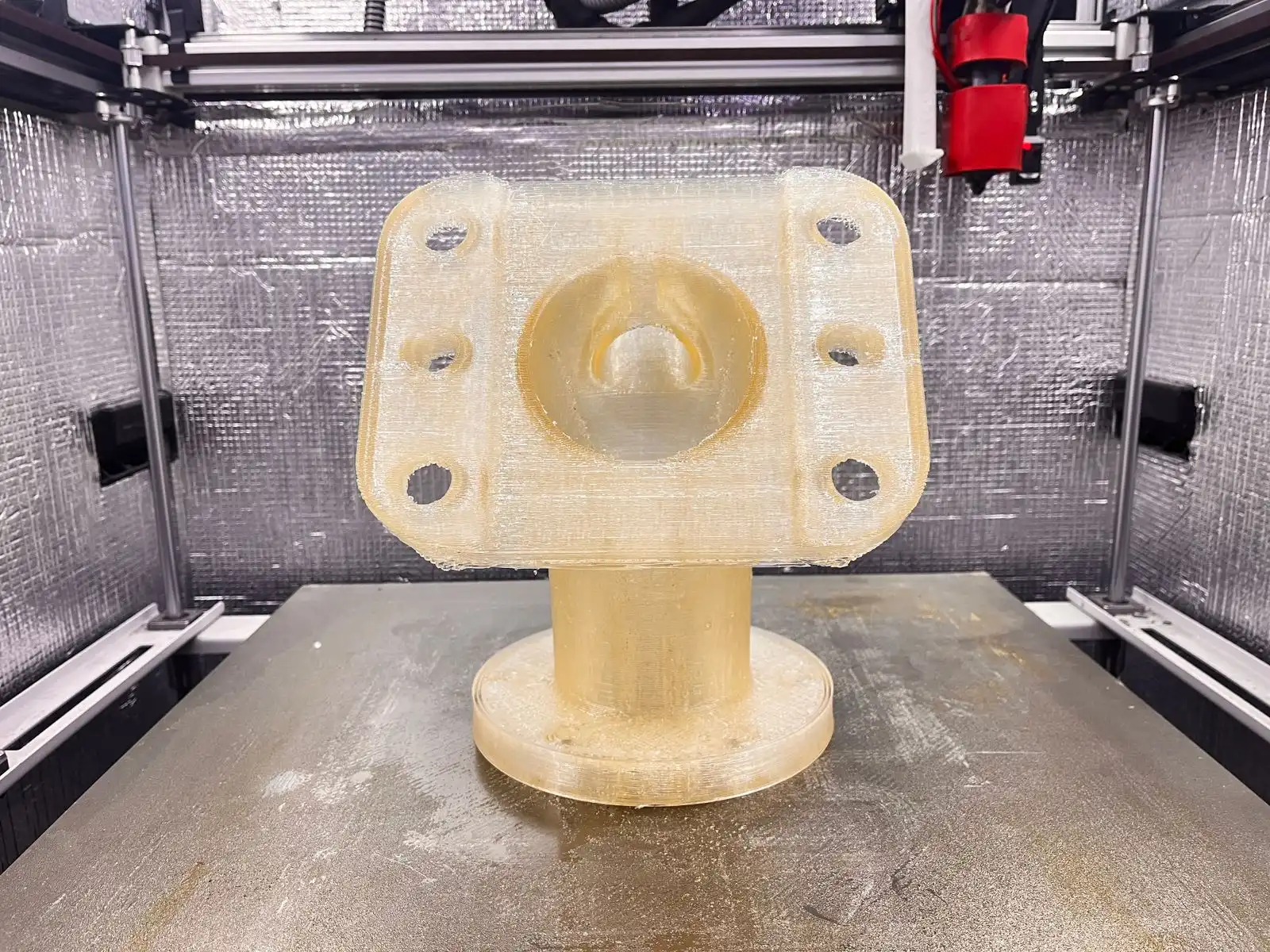
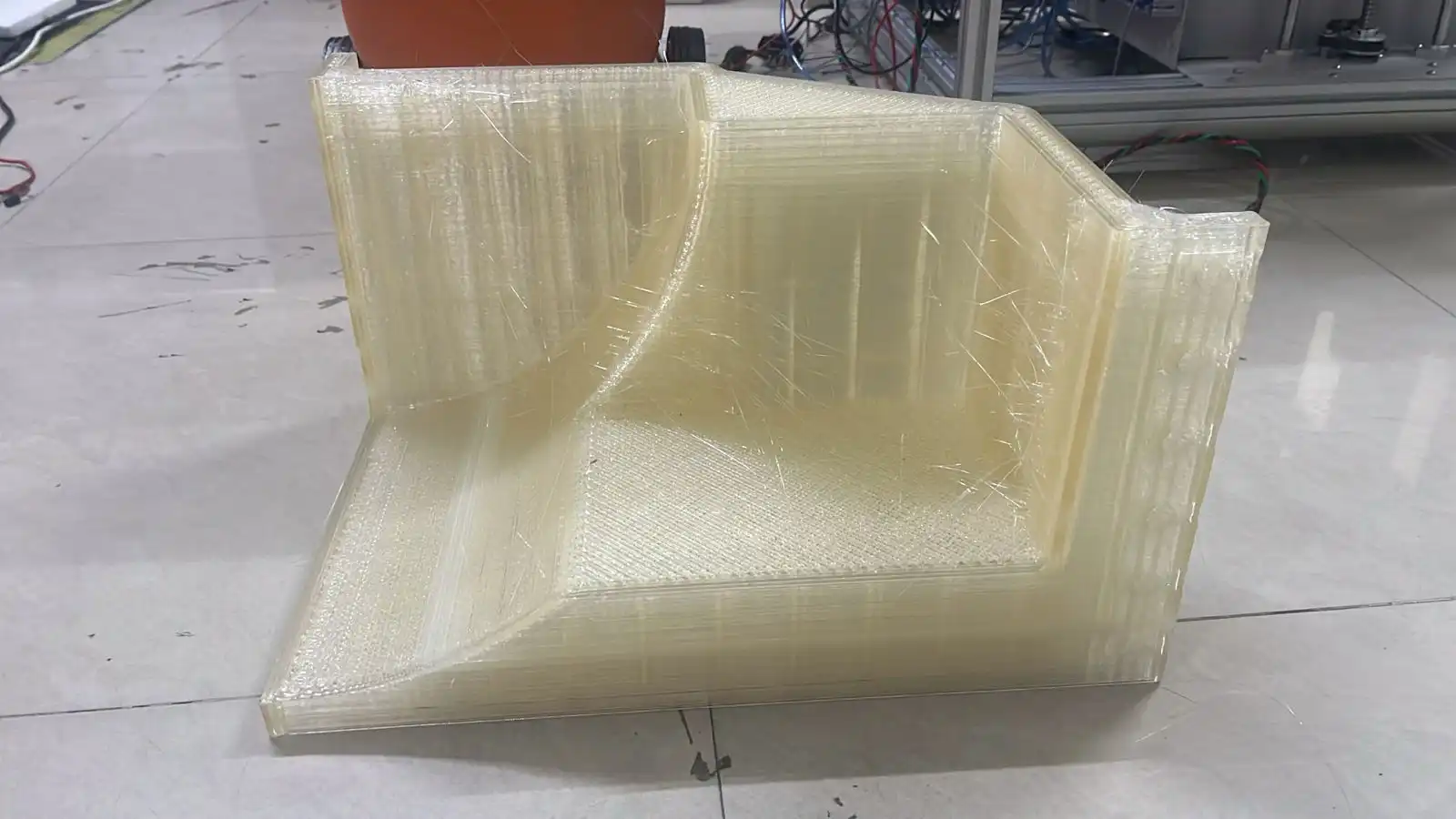
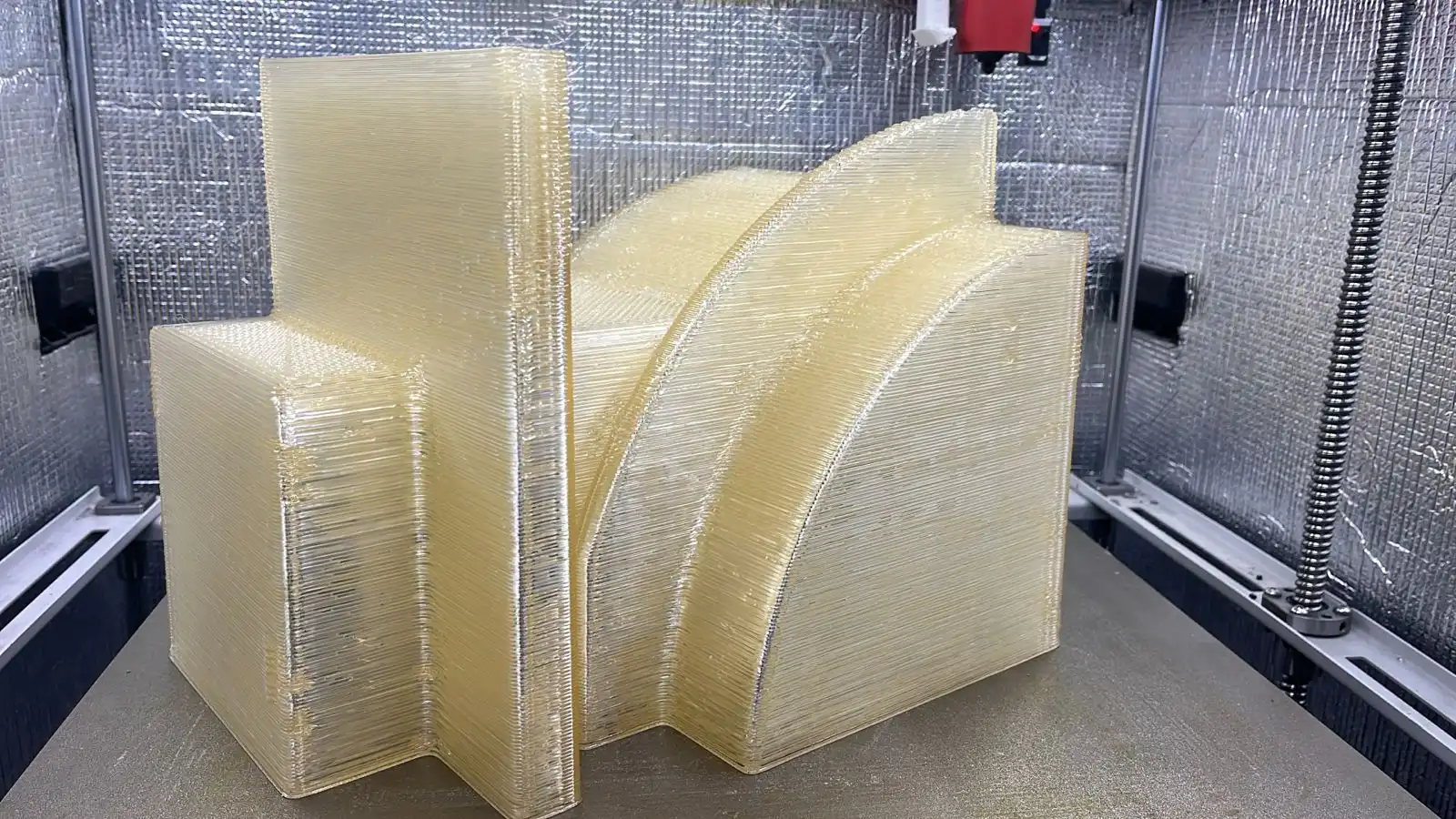
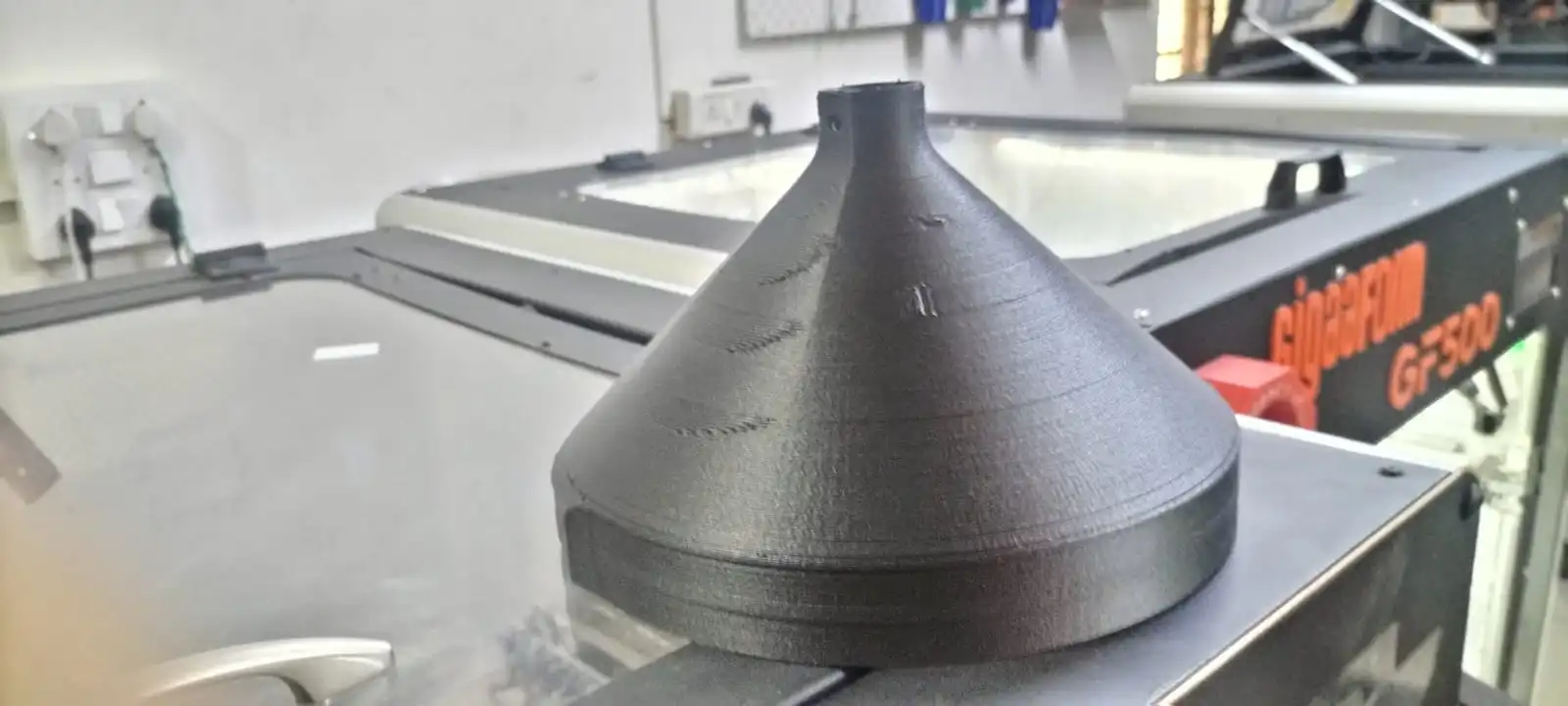
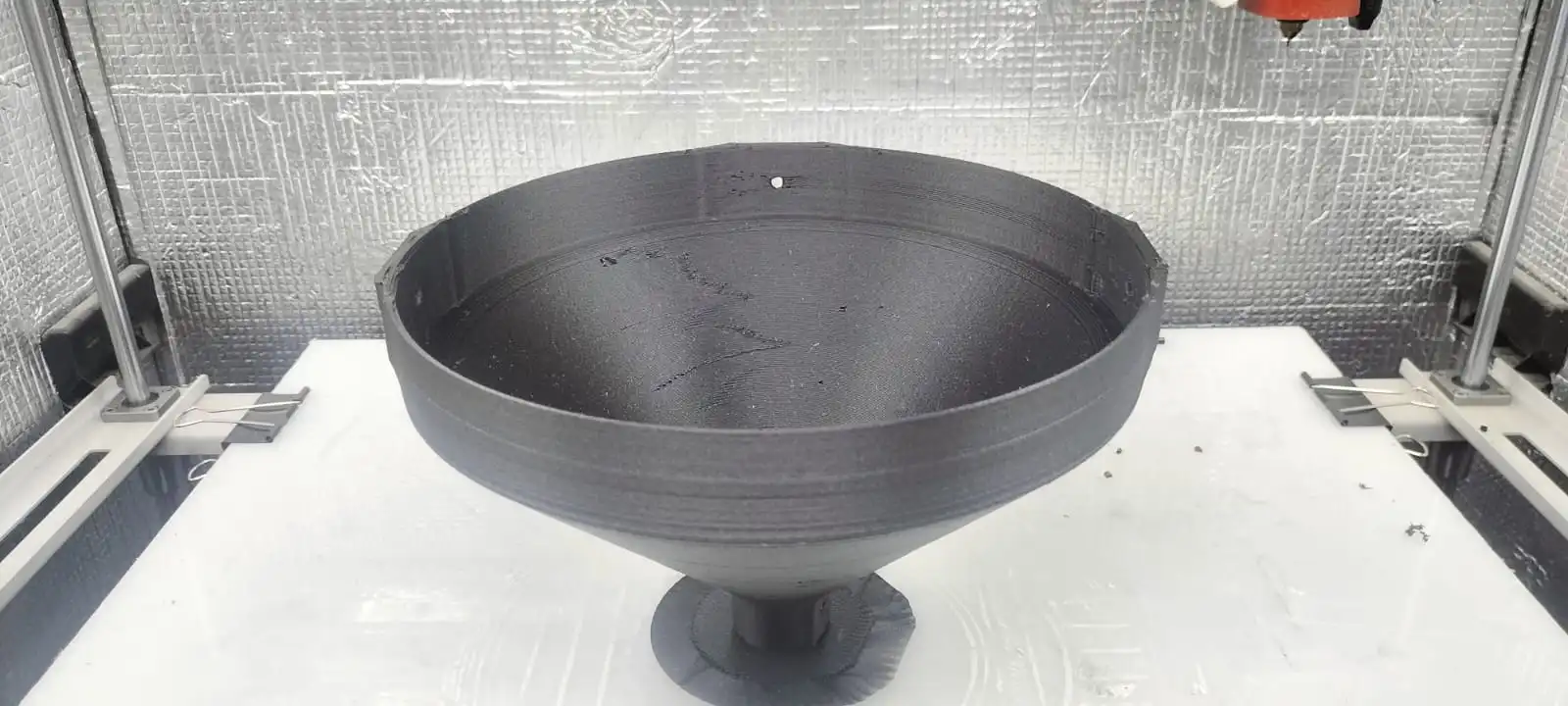
Pellet 3D Printing — also known as Fused Granulate Fabrication (FGF), Screw-Based Extrusion (SSE), or Pellet Extrusion Deposition (PED) — is an additive manufacturing process that directly uses thermoplastic pellets to produce parts layer by layer through a screw-based extrusion system.
Filament-based FFF/FDM 3D printers use 1.75mm or 2.85mm plastic filament for printing. This filament is actually manufactured from raw plastic pellets through an additional processing step. Pellet 3D printing eliminates this extra pellet-to-filament conversion process by using the plastic pellets directly — helping reduce material cost, increase printing speed, and enabling large-format industrial manufacturing.
A pellet 3D printer uses a single-screw extruder — similar to injection moulding — to melt raw plastic granules and deposit them layer-by-layer onto a build platform.
Raw thermoplastic pellets are poured into the hopper — no spooling, no preparation. Any compatible industrial pellet grade can be used directly.
The rotating screw conveys pellets forward through heated zones. Friction and conductive heat progressively melt the material into a homogeneous melt.
The fully melted polymer is forced through a precision nozzle. The nozzle size determines resolution and throughput — from fine detail to ultra-fast large-format deposition.
The motion system traces the toolpath, building the part layer by layer. Each deposited bead bonds to the previous layer as it cools, creating a solid, structural part.
Both technologies build parts layer-by-layer. The fundamental difference is in how material is supplied — and that difference cascades into major performance, cost, and capability gaps.
Industrial pellets cost ₹100–300/kg — a fraction of filament pricing. Direct access to commodity resin markets.
Flow rates of 0.5–2 kg/hr for large-format production parts. Ideal for replacing injection moulded tooling masters.
Any thermoplastic pellet: ABS, ASA, PP, PETG, PC, TPU, carbon-fibre and glass-fibre compounds.
Build volumes from Desktop (500×500mm) to room-scale (1m×1m) without prohibitive material cost.
No filament spool waste. Support material and failed prints can be reground and reused directly.
Filament carries significant manufacturing overhead: drying, drawing, spooling, packaging. ₹800–3,000+/kg typical.
Limited by small nozzle diameters (0.4–0.8mm) and Bowden/direct drive resistance. Slow for large production volumes.
Constrained to filament-compatible grades. Specialty materials (PEEK, CF-nylon, PP) are expensive and limited in supply.
Large-format FFF printers require enormous filament inventories and frequent spool changes mid-print.
Spent spools, failed parts, and support material cannot be recycled back into the process without external equipment.
Pellet extrusion isn’t just a cheaper filament — it’s a fundamentally different industrial capability that enables applications impossible with conventional desktop 3D printing.
Raw plastic pellets are the base commodity form of all thermoplastics — before any value-added processing. You pay for the resin, not the filament manufacturing chain.
Screw-based extrusion can push far more material per unit time than any filament-fed system. For large structural parts, the throughput advantage is dramatic.
Any thermoplastic pellet is a candidate. From commodity PP and ABS to high-performance PEEK, carbon-fibre reinforced nylon, and bio-based compounds.
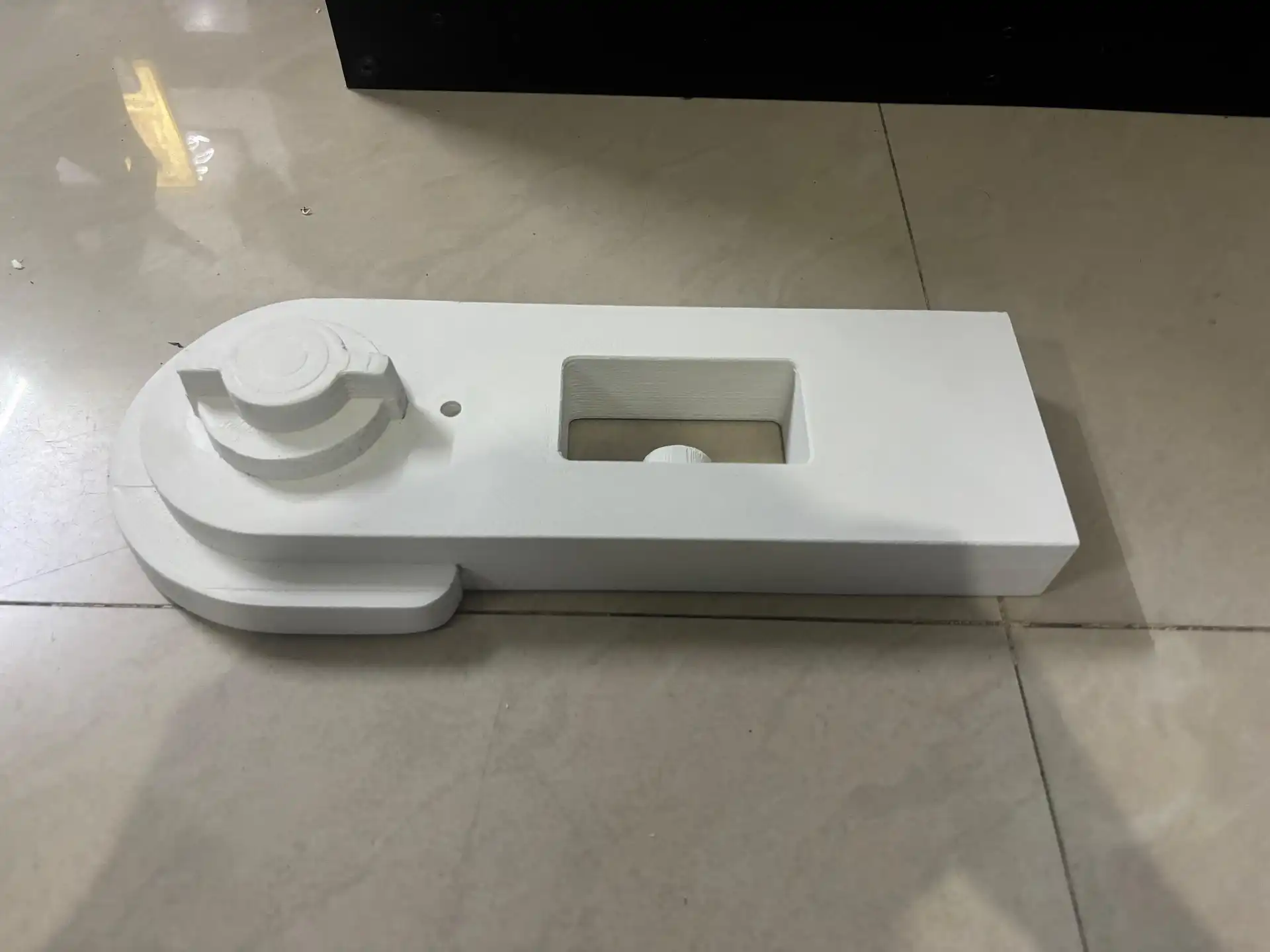
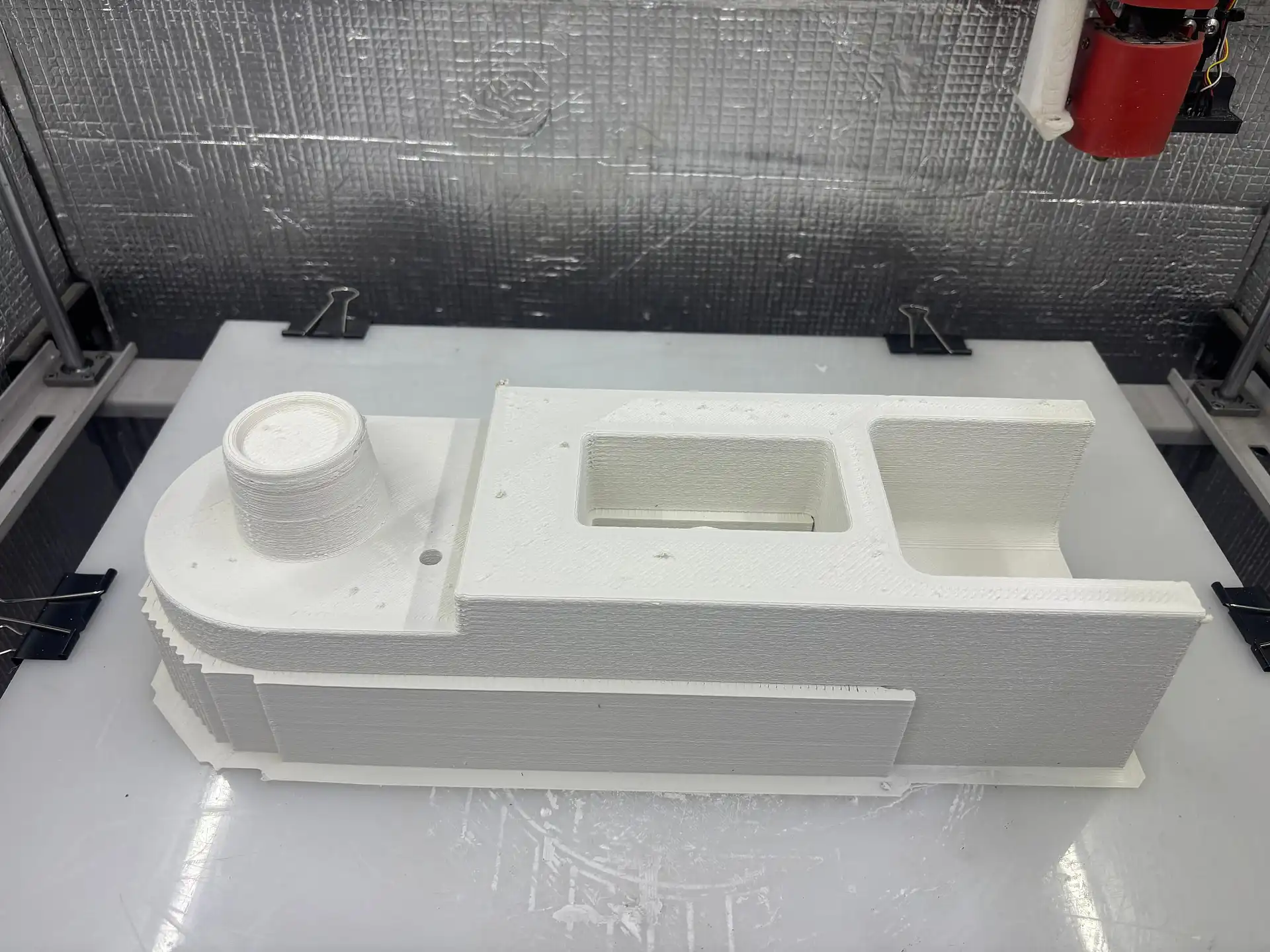
Pellet extrusion scales naturally to very large build volumes. With low material cost, printing large prototypes, patterns, moulds, and tooling becomes economically viable.
The same pellet grades used in injection moulding are directly usable. Engineers can prototype with the exact production-grade resin — no material translation required.
Across manufacturing, tooling, and R&D, pellet extrusion is rapidly replacing filament-based 3D printing for industrial applications. Here's why the shift is accelerating.
Pellet extrusion systems support a massive range of thermoplastics — from commodity polymers to aerospace-grade engineering compounds and recycled industrial feedstocks.
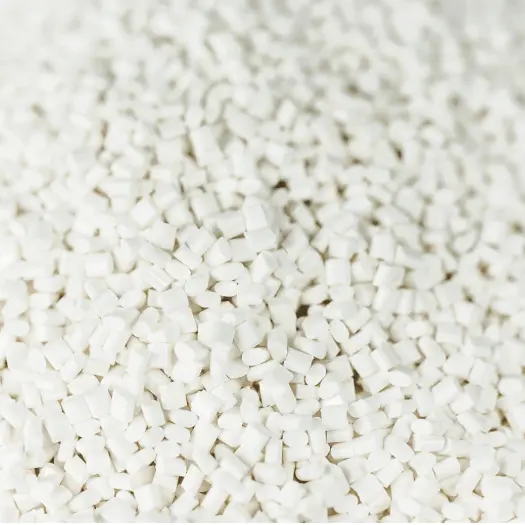
BIO-BASED THERMOPLASTIC
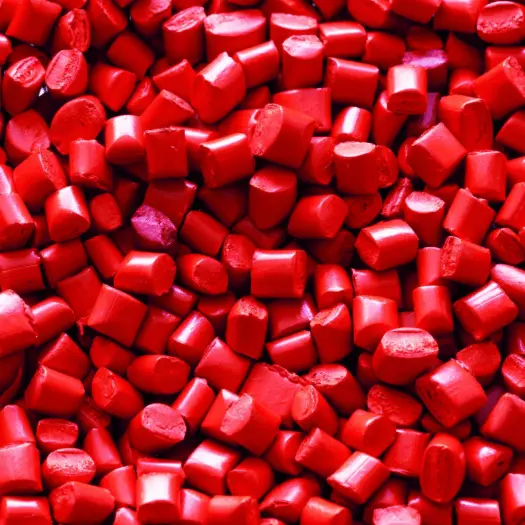
IMPACT-RESISTANT ENGINEERING PLASTIC
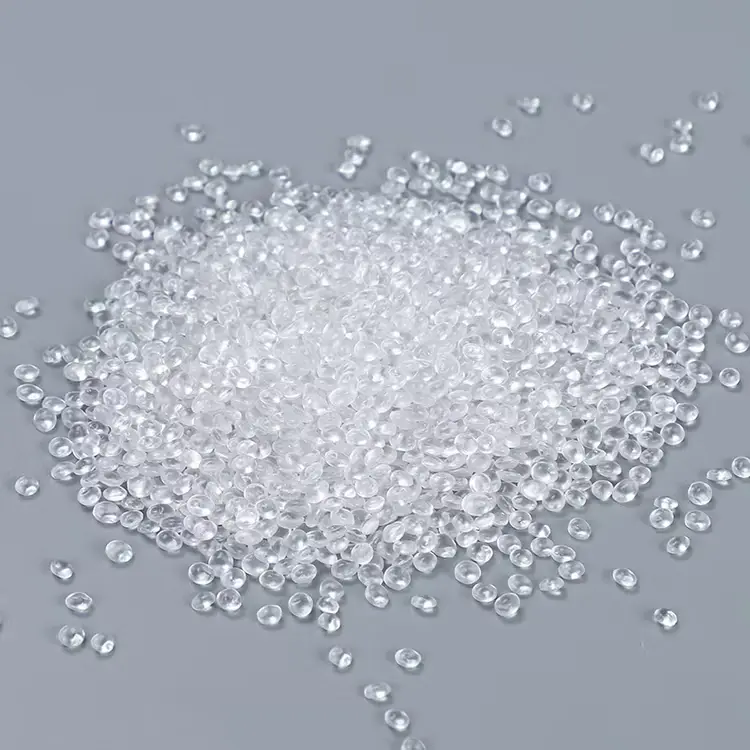
CHEMICAL-RESISTANT INDUSTRIAL MATERIAL
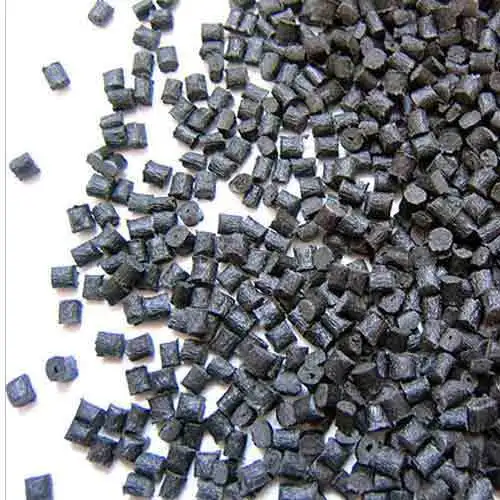
FLEXIBLE ELASTOMERIC MATERIAL
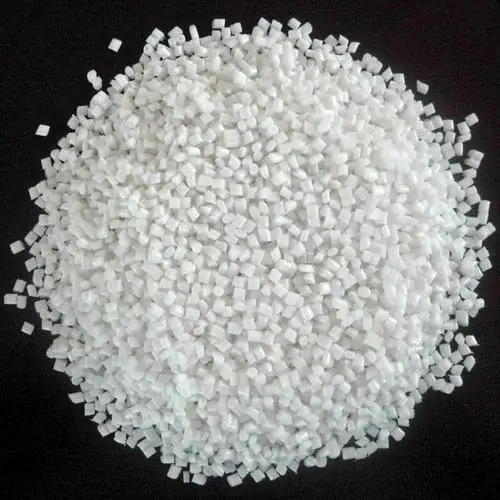
LIGHTWEIGHT INDUSTRIAL POLYMER
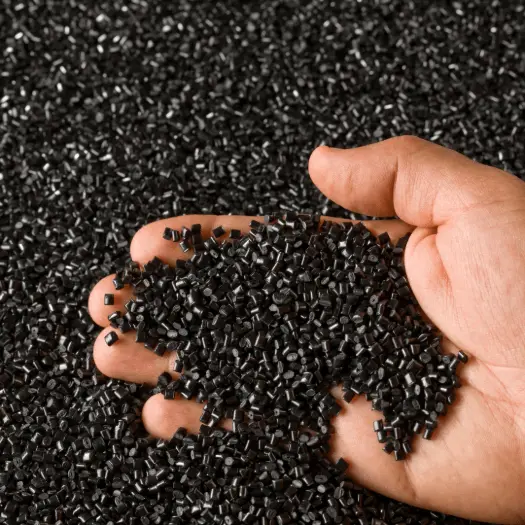
Carbon-Filled Polypropylene
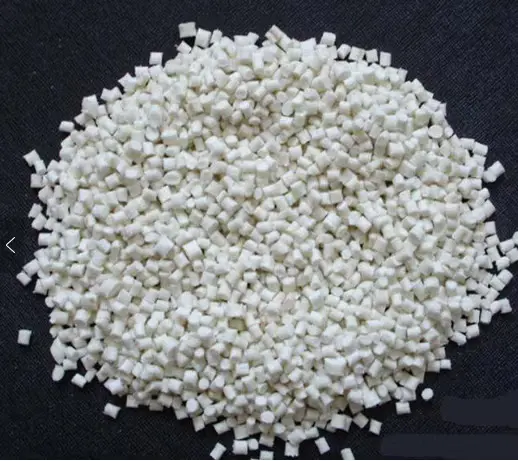
Polyamide (Nylon)
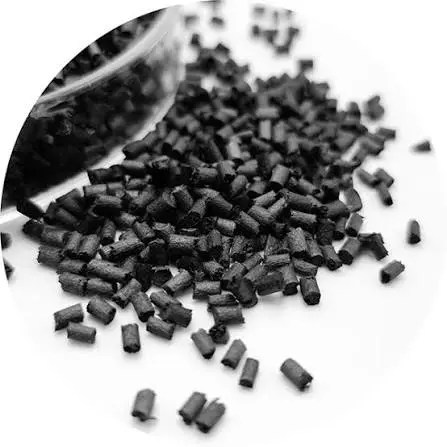
CARBON FIBRE REINFORCED NYLON
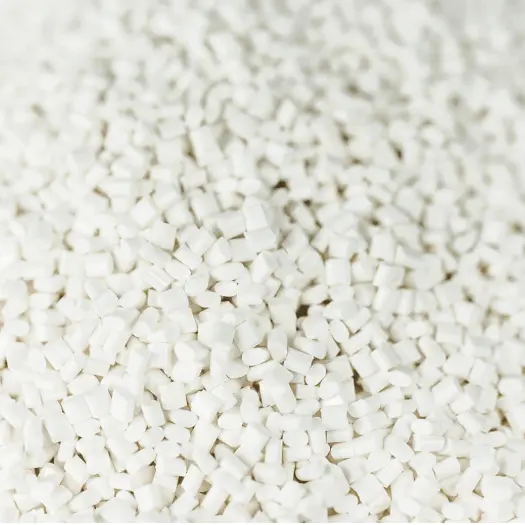
Glass-Filled Polypropylene
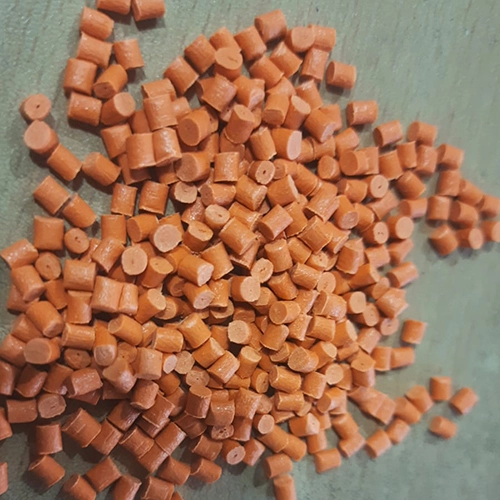
Glass-Filled Engineering Polymers
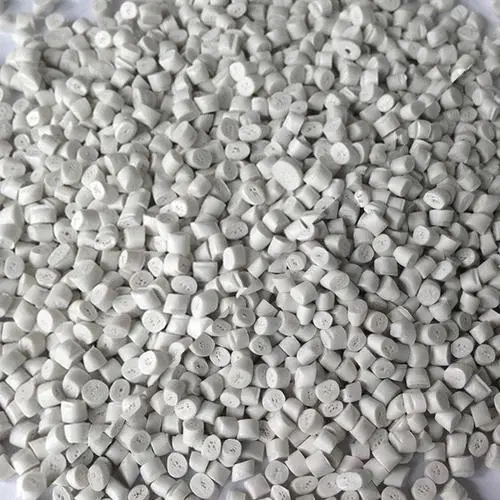
SUSTAINABLE REPROCESSED PELLETS
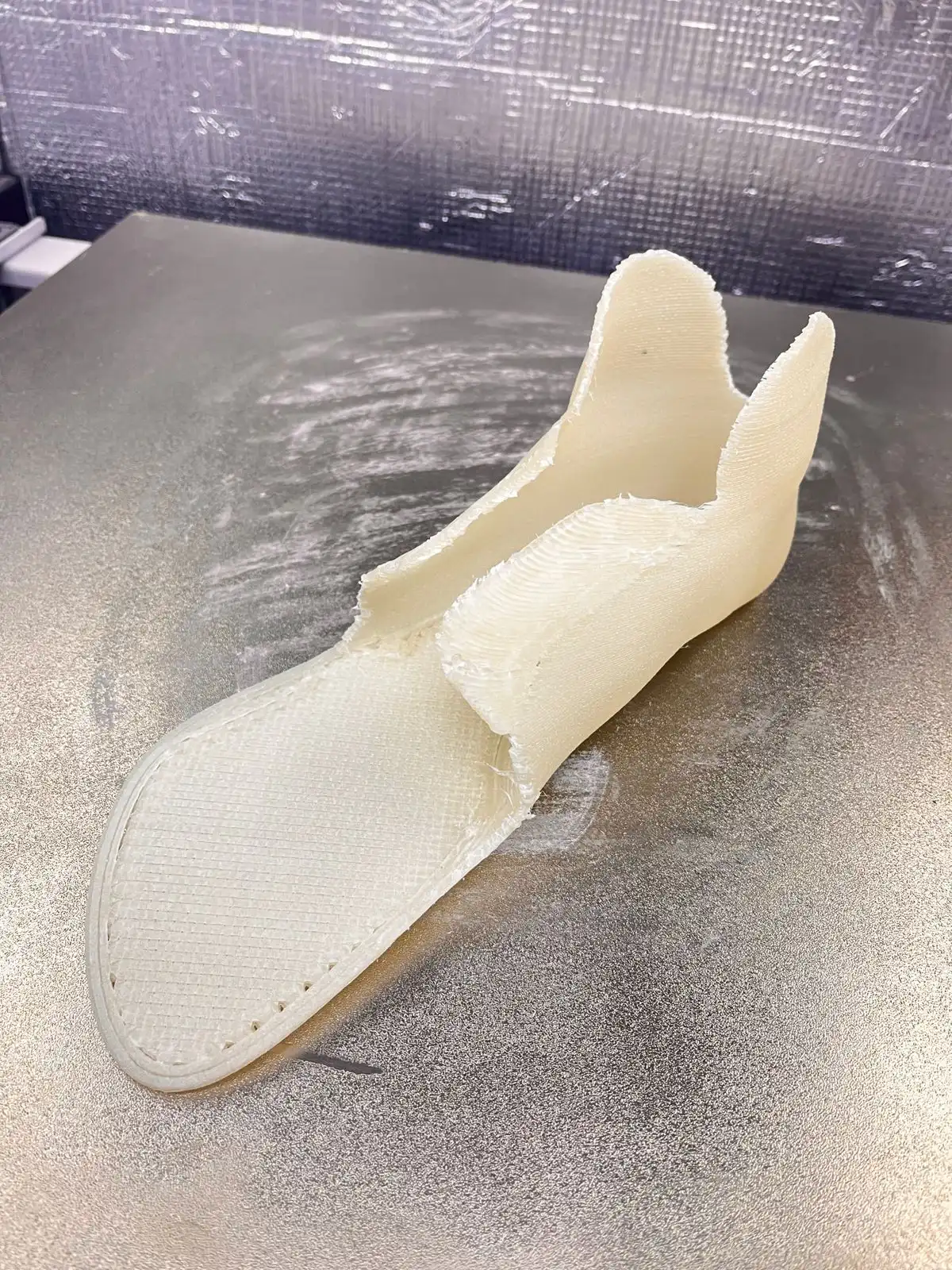
Pellet printing's combination of low cost, high throughput, and engineering-grade materials unlocks applications that simply aren't viable on conventional filament printers.
Pellet 3D printing is purpose-built for industrial users who need scale, performance, and cost efficiency. If your work involves large parts, engineering materials, or high-volume output, pellet extrusion is the right technology.
While pellet extrusion unlocks enormous industrial advantages, successful implementation requires understanding the engineering and process considerations unique to screw-based additive manufacturing.
Many engineering thermoplastics absorb moisture from the atmosphere. Proper pellet drying systems are essential to prevent bubbling, poor layer adhesion, and surface defects during extrusion.
Pellet extrusion systems typically use industrial screw extruders and reinforced motion systems, making them physically larger and heavier than standard filament printers.
Carbon-fibre and glass-filled pellet compounds are highly abrasive. Hardened steel or carbide nozzles are often required for long-term reliability.
Pellet extrusion introduces additional process variables such as screw speed, melt pressure, pellet feed consistency, and thermal stability that require optimisation.
Large nozzle diameters prioritise throughput and structural strength over fine surface finish. Post-processing may be required for aesthetic applications.
India's manufacturing sector is uniquely positioned to benefit from pellet 3D printing. A convergence of economic, industrial, and sustainability factors is driving rapid adoption across sectors.
Garuda3D is at the forefront of pellet extrusion development in India — building custom systems, running material experiments, and serving industrial clients across sectors. Our work spans research, tooling, and production-focused additive manufacturing.
Reliable large-format pellet extrusion platform designed for cost-effective manufacturing, tooling, prototyping, and functional part production using engineering-grade thermoplastic pellets. Ideal for workshops, research labs, educational institutes, and industrial applications.
High-performance large-scale pellet printing solution built for manufacturing oversized components, molds, patterns, tooling, and production-grade prototypes. Engineered for continuous operation, higher throughput, and industrial-scale additive manufacturing using thermoplastic granules.