

LAYER-BY-LAYER BUILD
Melted filament deposited precisely along predefined paths


Keerthika Technologies,
2-39/1/B, Beside DENA
Bank, Gowthami Nagar,
Chandanagar, Hyderabad,
India - 500050
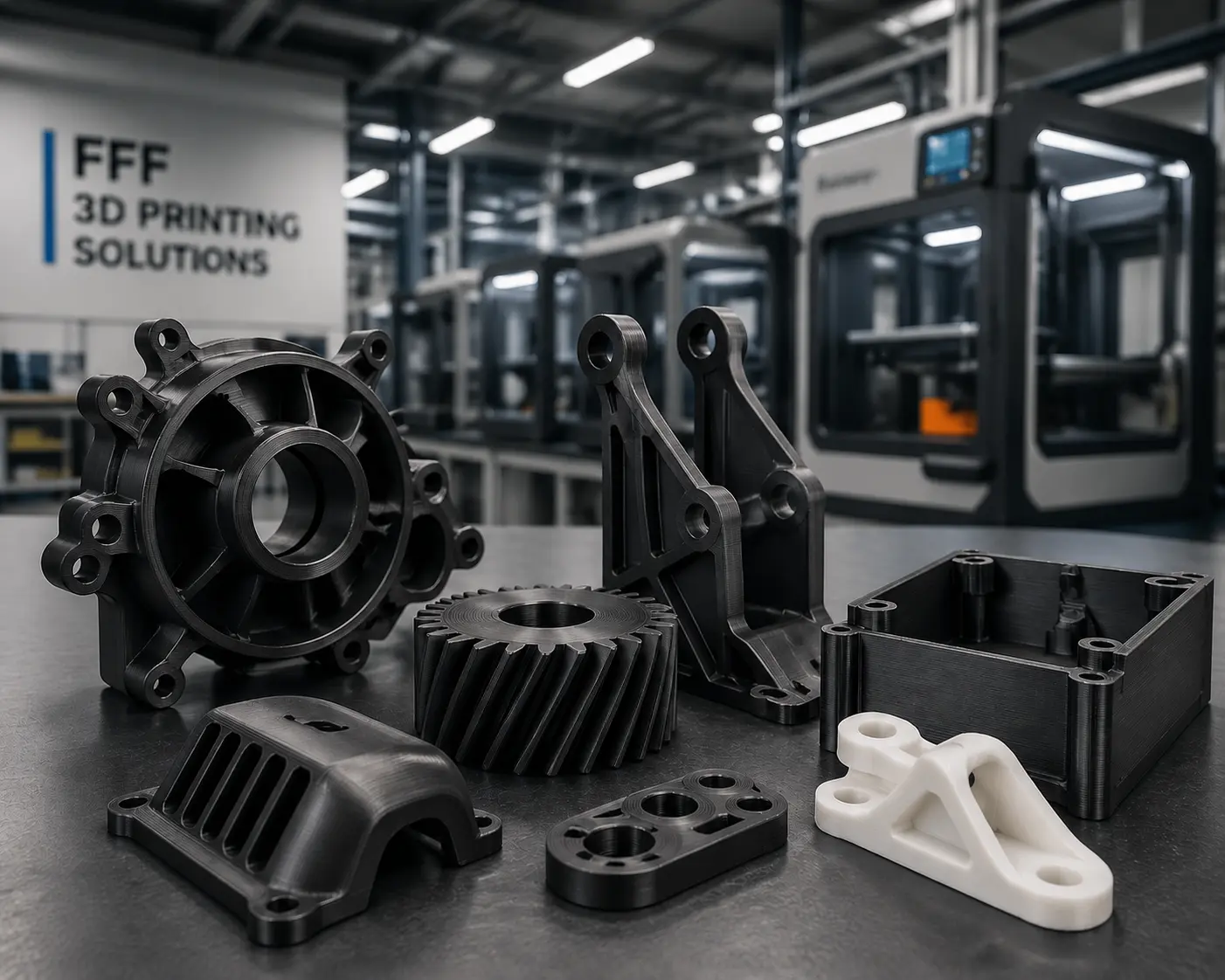
Fused Filament Fabrication – industrial-grade thermoplastic printing for prototypes, functional parts, and production-ready components at any scale.
MAX PRINT VOLUME
LAYER RESOLUTION
LEAD TIME
Melted filament deposited precisely along predefined paths
PLA, ABS, PETG, TPU, Nylon, CF, PC & more
Standard 2–5 business days. Express available
Certified quality management system
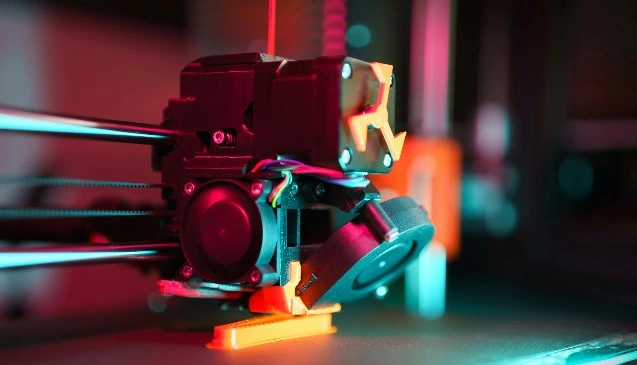
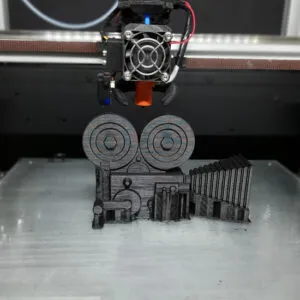
Fused Filament Fabrication (FFF), also known as Fused Deposition Modeling, is an additive manufacturing process that creates three-dimensional objects by depositing melted thermoplastic filament layer by layer.
This technology is widely adopted for its affordability, ease of use, and ability to produce both rapid prototypes and fully functional end-use components. The process heats filament through a precision nozzle that moves along a predefined digital path – building complex geometry from the ground up.
Upload your STL, OBJ, STEP, or 3MF file. Our team slices and optimises the model for your chosen material and resolution.
Choose from our full filament library. We advise on the right material for mechanical properties, thermal resistance, and aesthetics.
Industrial FFF printers deposit layers as thin as 0.1 mm with up to 500 × 500 × 500 mm build volume.
Support removal, surface finishing, quality inspection, and same-day / express shipping across India and internationally.
Custom and specialty materials available on request – including carbon-fibre and metal-infused composites.
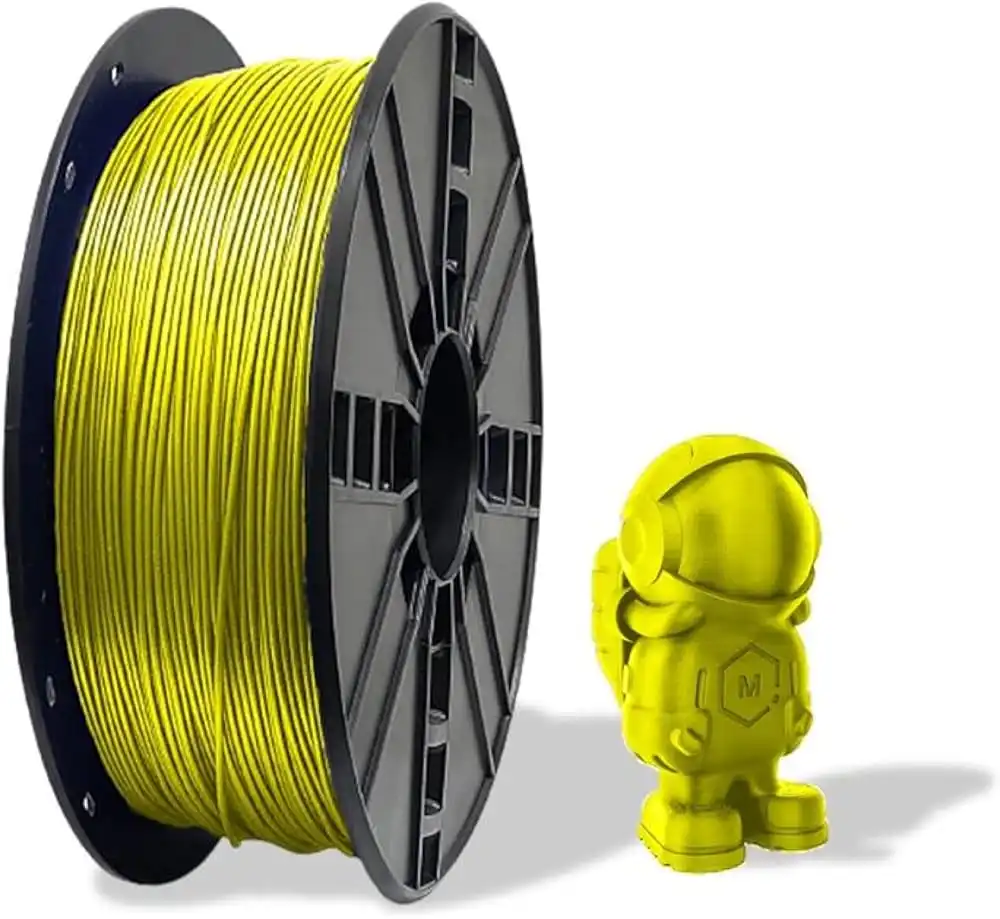
The most popular FFF filament. Easy to print, biodegradable, excellent surface finish. Ideal for prototypes and display models.
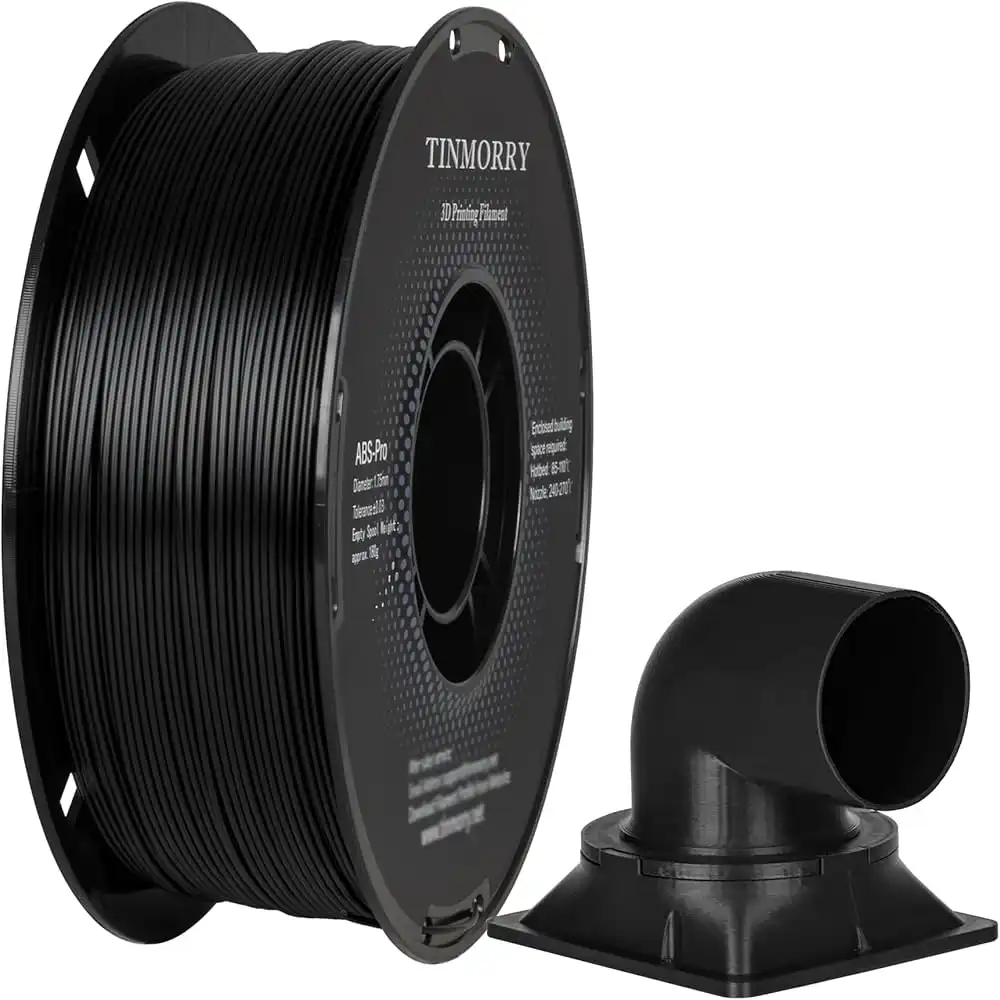
Tough, heat-resistant thermoplastic. Used in engineering parts, enclosures, and automotive components.
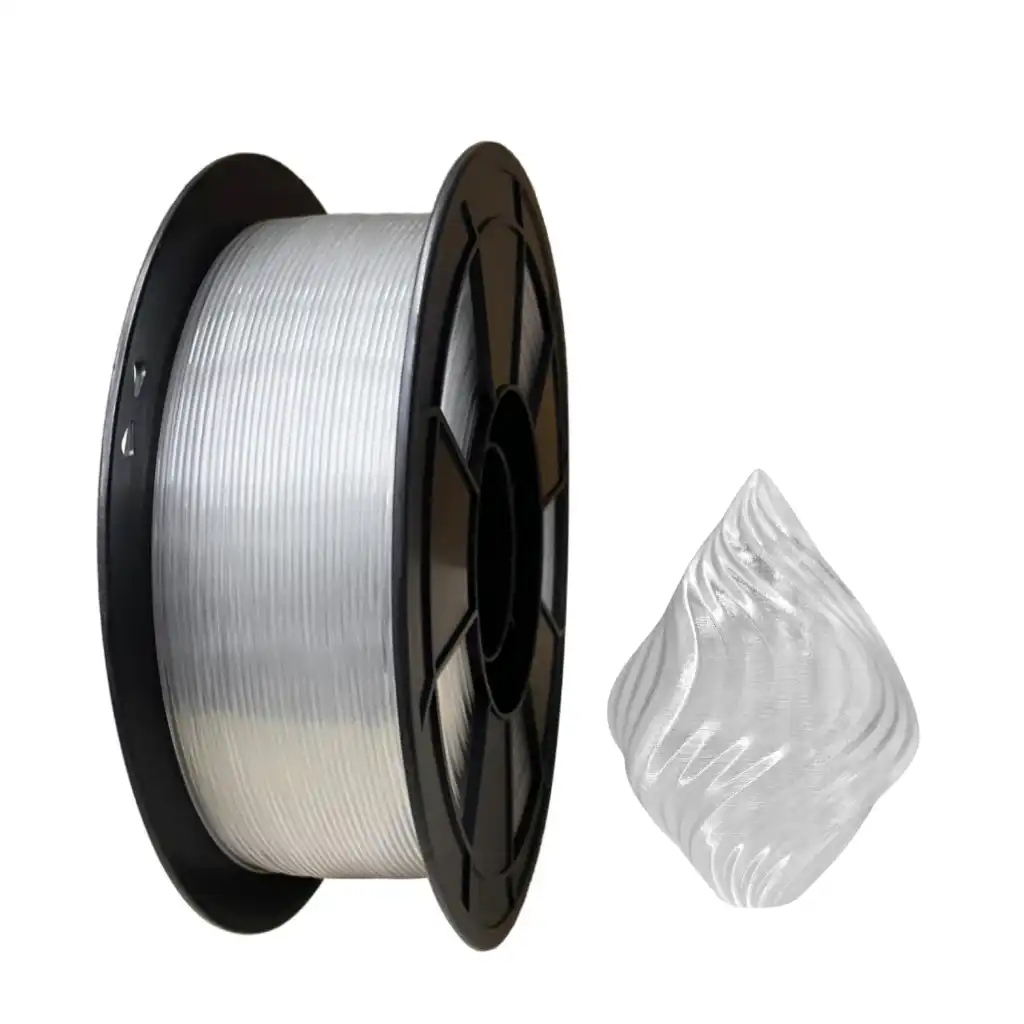
Combines PLA ease with ABS durability. Good chemical resistance, transparent options, food-safe grades available.
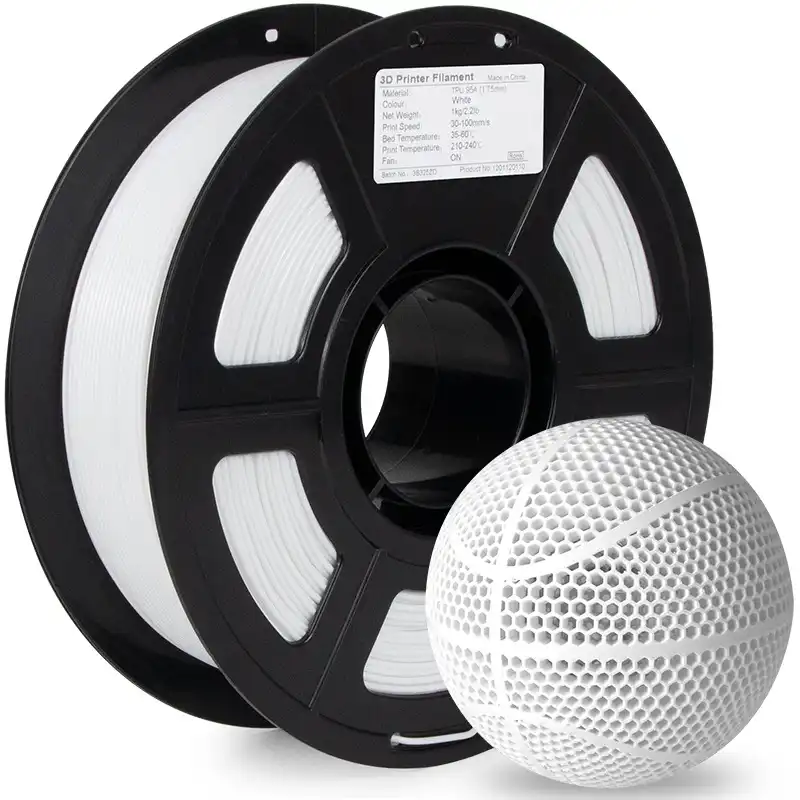
Flexible, rubber-like material. Excellent for gaskets, grips, wearables, and shock-absorbing components.
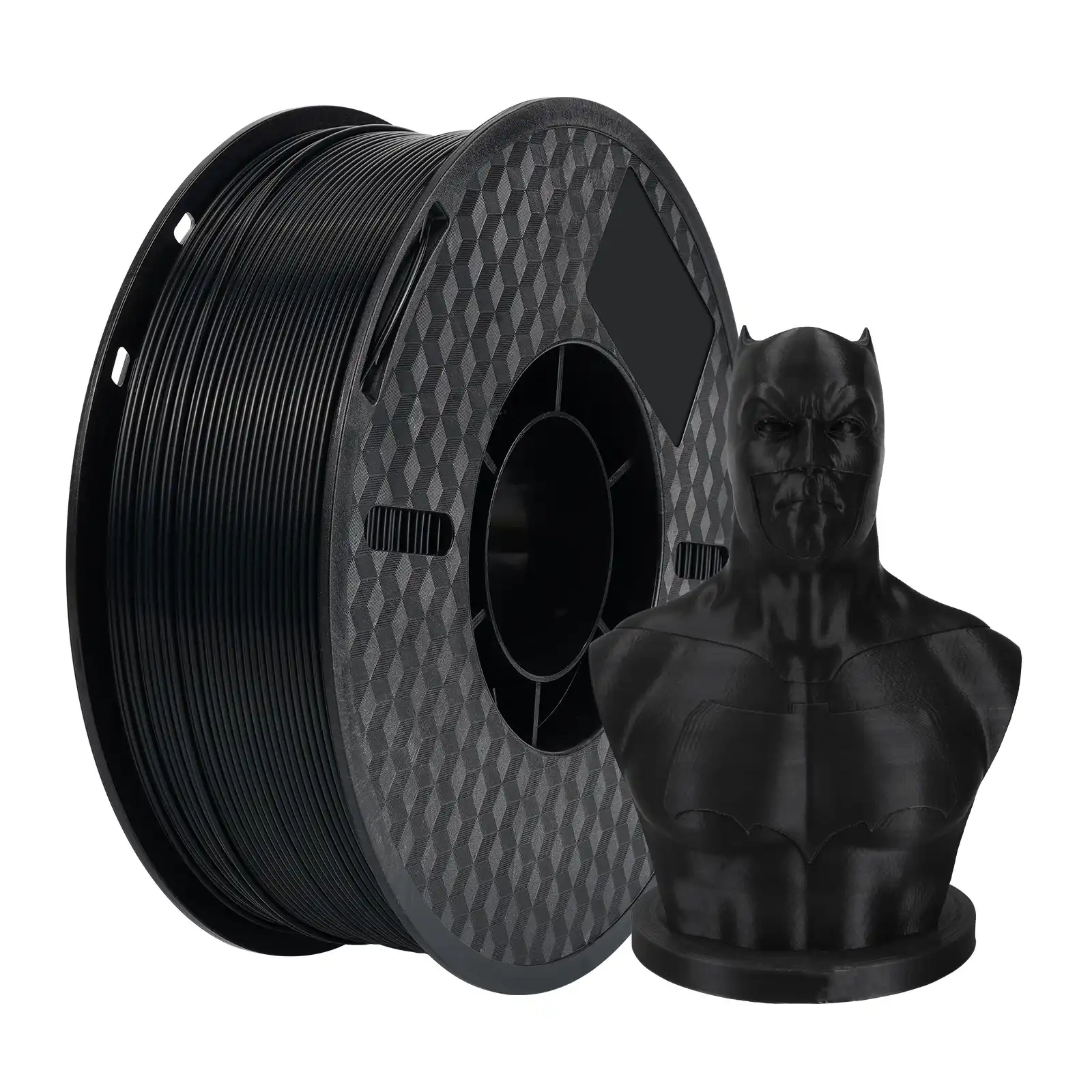
Superior mechanical strength, wear resistance, and chemical resistance. Preferred for functional end-use parts and gears.
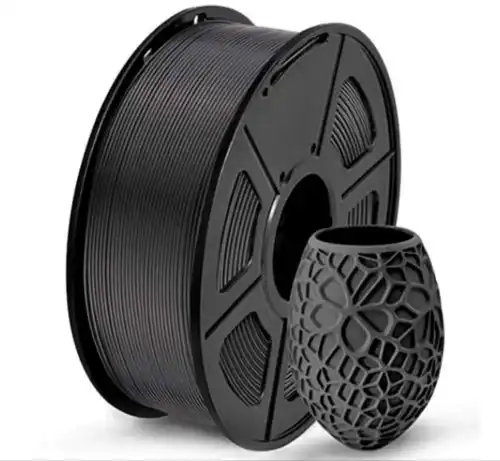
Chopped carbon fibre reinforced filament. Very high stiffness-to-weight ratio for aerospace and motorsport applications.
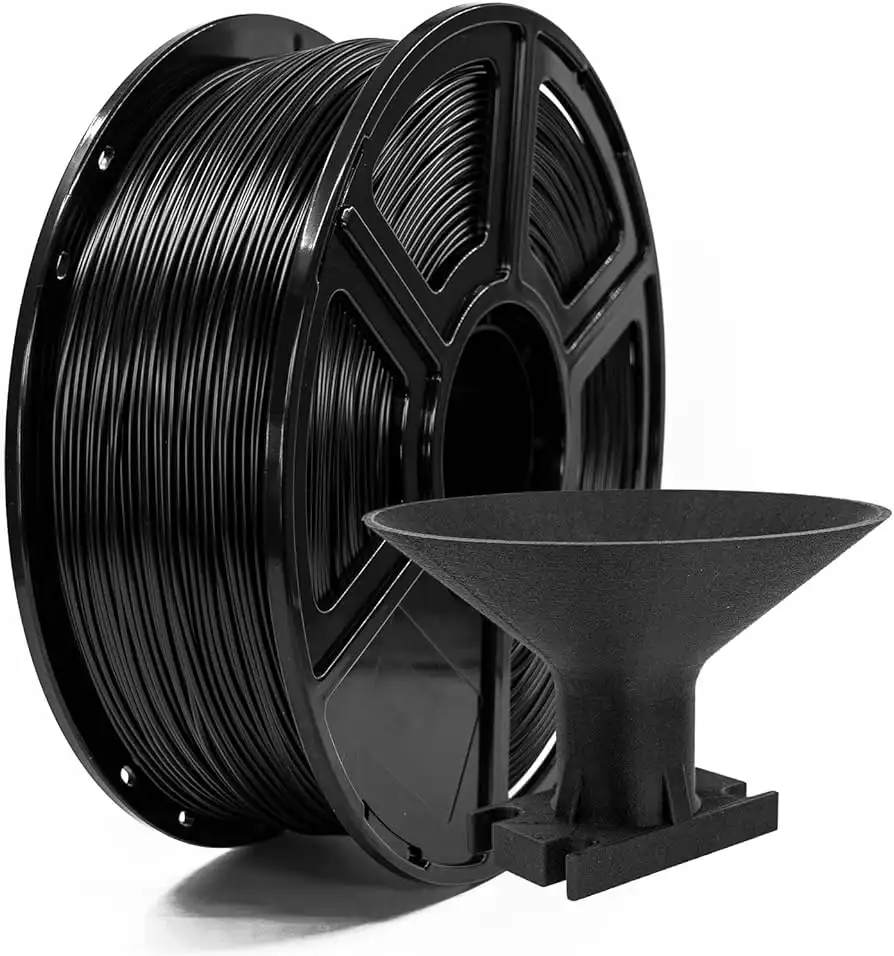
UV-resistant ABS alternative. Weatherproof for outdoor applications – signage, enclosures, and automotive trim.
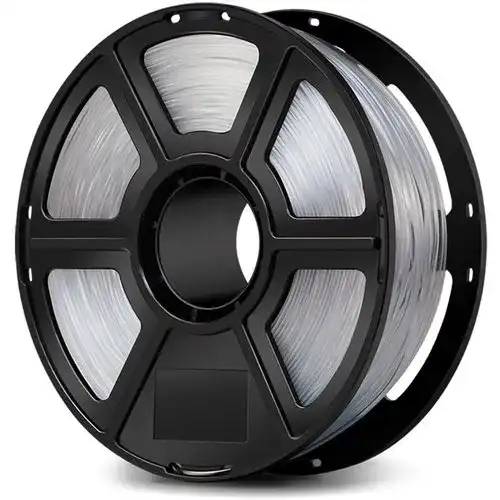
Extreme toughness and temperature resistance. Used in industrial jigs, fixtures, and optical-grade transparent parts.
From single prototypes to multi-unit production runs — our FFF service scales to your engineering requirements.
Accelerate your design cycle. Print, test, and iterate functional prototypes in 2–5 business days.
Production-grade components in engineering polymers: brackets, housings, jigs, fixtures, and assemblies.
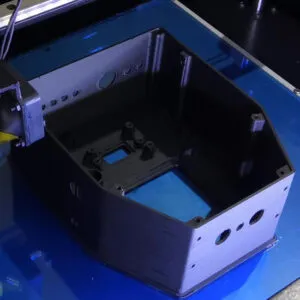
Build volumes up to 500 × 500 × 500 mm. Ideal for architectural models and large industrial components.
IDEX technology enables dual-material and dual-color prints, including soluble supports.
Support removal, sanding, priming, and professional finishing services.
Design optimization, lightweighting, part consolidation, and printability analysis.

Affordable prototypes can be created quickly and efficiently.

Interactive models help students learn complex concepts more effectively.

Customized medical tools and anatomical models improve patient care and training.

Precision components and lightweight parts accelerate innovation and performance.

Personalized and high-quality products can be designed and manufactured with ease.

FFF 3D printing reduces production costs for prototypes and small-batch manufacturing.

A wide range of materials can be used to meet different functional and aesthetic needs.

User-friendly technology makes FFF 3D printing accessible for beginners and professionals alike.

Designs can be easily scaled from single prototypes to larger production runs.

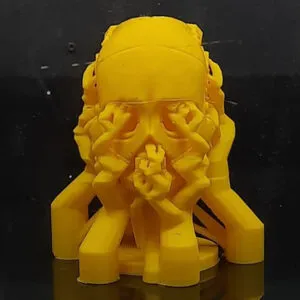
Unique and personalized products can be created with high design flexibility.

Large-format printers enable the production of bigger components in a single print.
Multiple materials can be combined to achieve enhanced functionality and performance.

Efficient material usage helps reduce manufacturing and production expenses.

Rapid printing speeds accelerate product testing and design iteration.

Quick modifications and reprints help accelerate product development cycles.
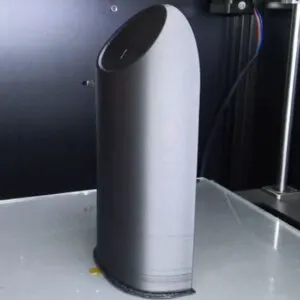
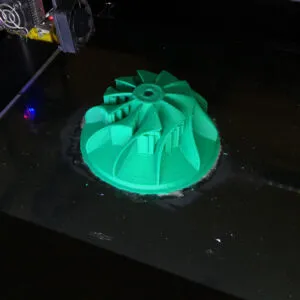
Common materials include PLA, ABS, PETG, ASA, TPU, Nylon, and Carbon-fiber-reinforced filaments.
While FFF parts may not be as strong as those made with SLS or Injection Molding, reinforced materials like Carbon Fiber composites improve strength.
Yes, Post-processing like Sanding, Acetone Smoothing, or Painting can improve the appearance and durability of prints.
The accuracy depends on the printer’s specifications, but typical layer resolutions range from 50 to 800 microns.
FDM (Fused Deposition Modeling) is a trademarked term by Stratasys, while FFF (Fused Filament Fabrication) is the generic name for the same technology.
Yes, we provide professional paint finishing services for your 3D printed parts.
Paint Finishing Options:
Matte Finish: Flat, non-reflective finish
Glossy Finish: High-shine, reflective finish
Post-Processing Services:
Sanding: Smoothing out surface roughness
Priming: Preparing surface for paint adhesion
Painting: Applying paint with precision
Clear Coating: Protective layer for durability
Benefits of Paint Finishing:
Enhanced aesthetic appeal
Improved durability
Protection from environmental factors
Custom branding and color matching
Turnaround Time:
Varies depending on complexity and quantity.
Typically 3–5 business days for standard paint jobs.
Pricing:
Quote-based depending on part size, complexity, and paint requirements.
Contact us for a custom quote.