


In a world where everything moves fast—design, engineering, manufacturing, and even art—the ability to physically see an idea before it’s built has become incredibly valuable.
3D Printing Scale Models: Turning Ideas Into ultra reality
In a world where everything moves fast—design, engineering, manufacturing, and even art—the ability to physically see an idea before it’s built has become incredibly valuable. Whether it’s an aircraft prototype, a cultural sculpture, a defense system, or a film prop, scale models help people see concepts clearly and interact with them in a more meaningful way.
Thanks to modern 3D printing, making these scale models has become faster, more accurate, more affordable, and far more flexible than traditional methods.
At Garuda3D, we’ve worked with industries ranging from aerospace and defense to entertainment, manufacturing, education, and art—turning digital designs into high-quality physical scale models.
Introduction
Earlier, creating scale models meant long hours of manual work using wood, clay, or plastic. It was a slow and painstaking process that often lacked precision. Today, 3D printing has changed the game completely. Engineers, designers, artists, and students can now bring their ideas to life with amazing accuracy—often in just a few days instead of weeks. Whether it’s a functional prototype, a display piece for an exhibition, or a replica of a cultural artifact, 3D printed models make imagination tangible.
Where 3D Printed Scale Models Make a Difference
1. Aerospace & Defense
For aerospace and defense companies, precision matters. 3D printed models are used for:
- Scale prototypes of aircraft, drones, eVTOLs, missiles, and submarines
- Aerodynamic and structural studies
- Exhibition displays
- Engineering and client presentations
Credit: Garuda3D
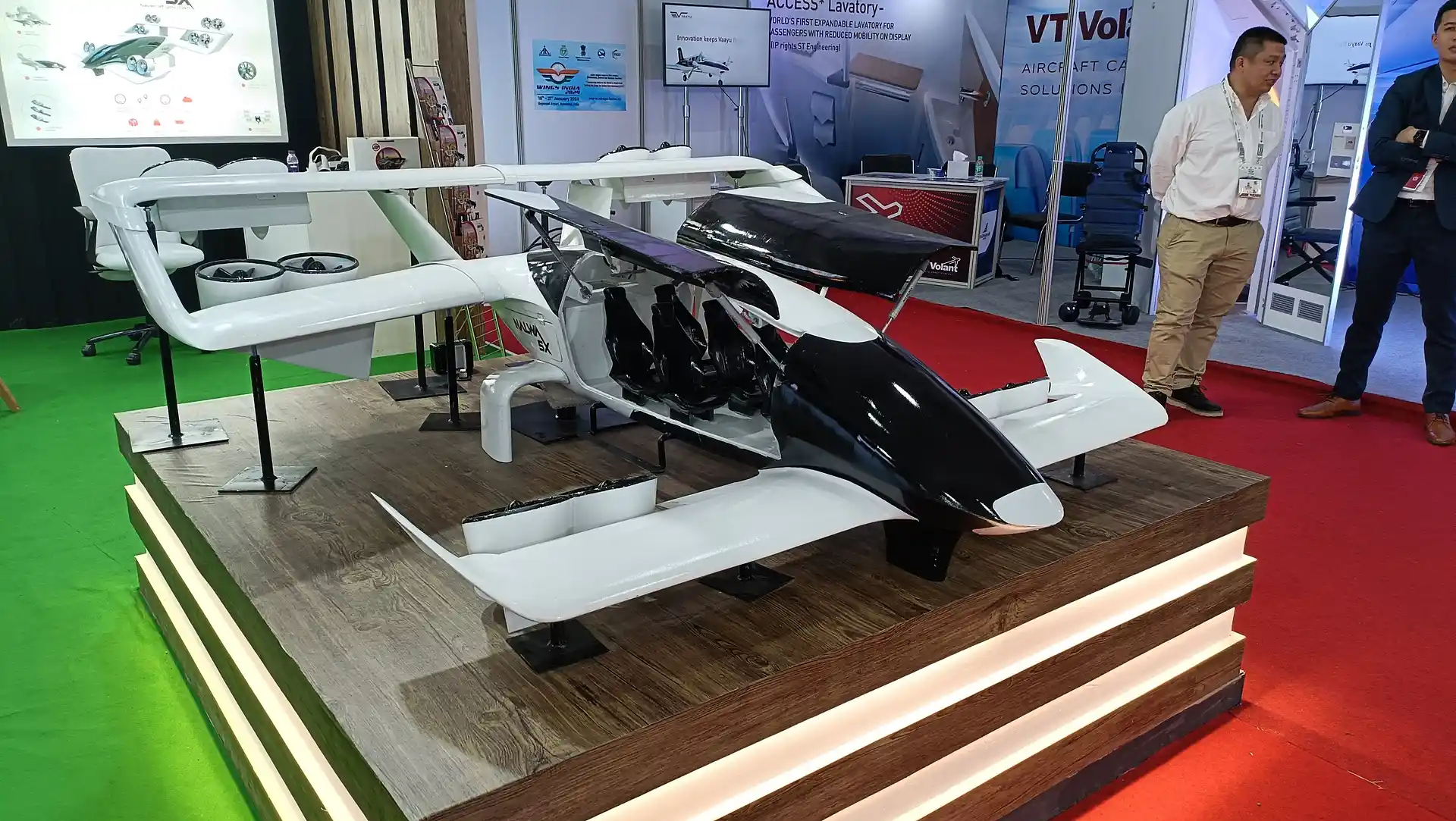
Projects like eVTOL aircraft mockups or the Varunastra torpedo model show how 3D printing delivers accuracy with presentation-ready quality.
2. Industrial & Engineering
Manufacturers use scale models to simplify complex concepts. These models help teams:
- Present machinery or equipment designs
- Visualize factory layouts and assembly lines
- Test ergonomics and concepts
- Demonstrate working principles to clients
Credit: Garuda3D
Case example: For EFCO India, we produced a 2-ft container scale model (scaled down from 20 ft) using a hybrid FDM + SLA workflow — achieving both structural strength and fine detailing for engineering reviews and presentations.

LinkedIn Post • Industry Update
We recently created a 2-ft 3D printed container scale model for EFCO India using a hybrid FDM + SLA workflow. Click below to view the full post with images and project details.
View LinkedIn Post →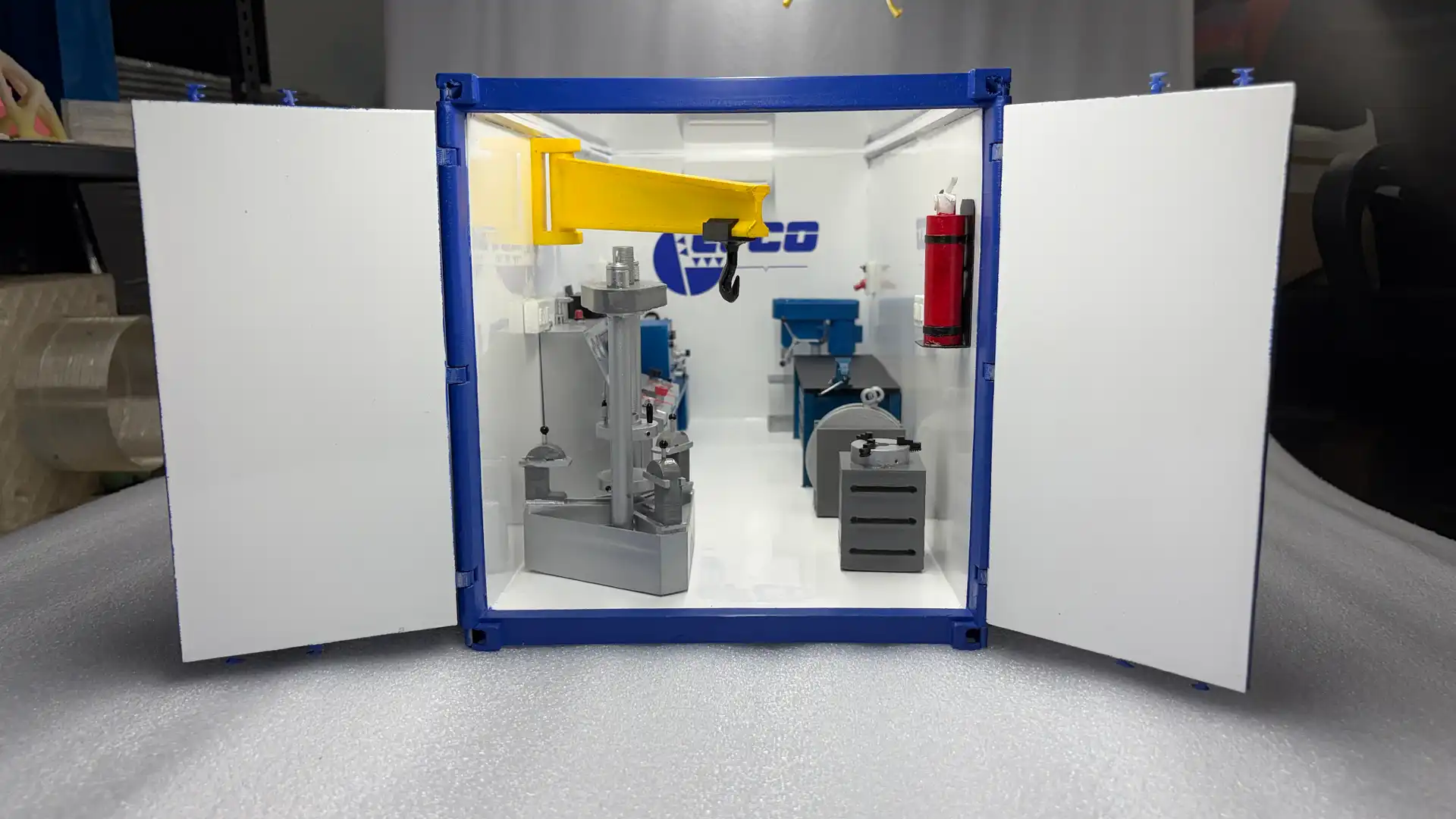
Seeing a physical model makes technical conversations smoother and more effective.
3. Cultural & Artistic Replication
3D printing is becoming a powerful tool for preserving and reimagining culture. Museums and artists use it to:
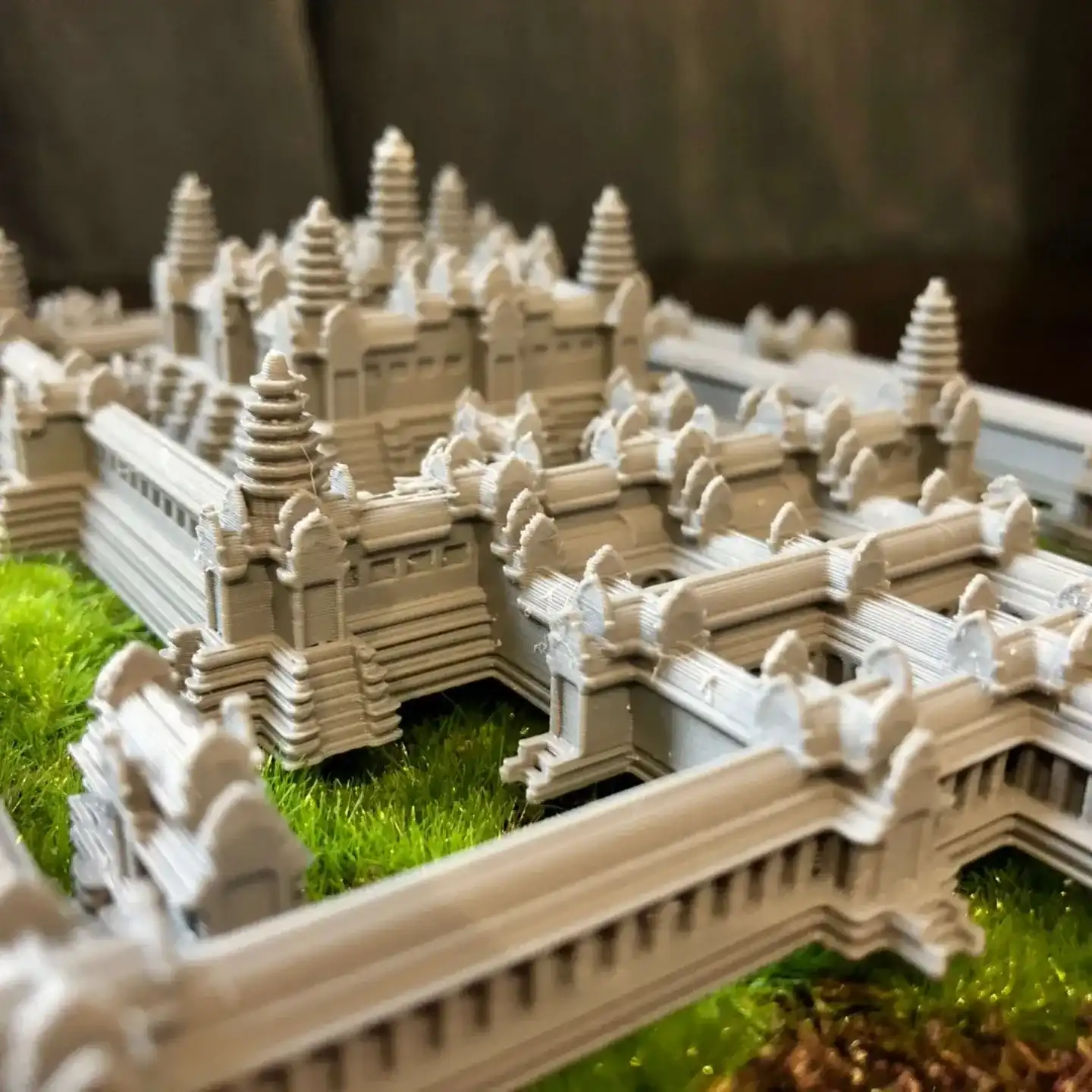
- Recreate traditional sculptures, masks, and heritage pieces
- Restore damaged artifacts
- Produce lightweight replicas for display or study
credit: Google_Printables.com | credit: Garuda3D
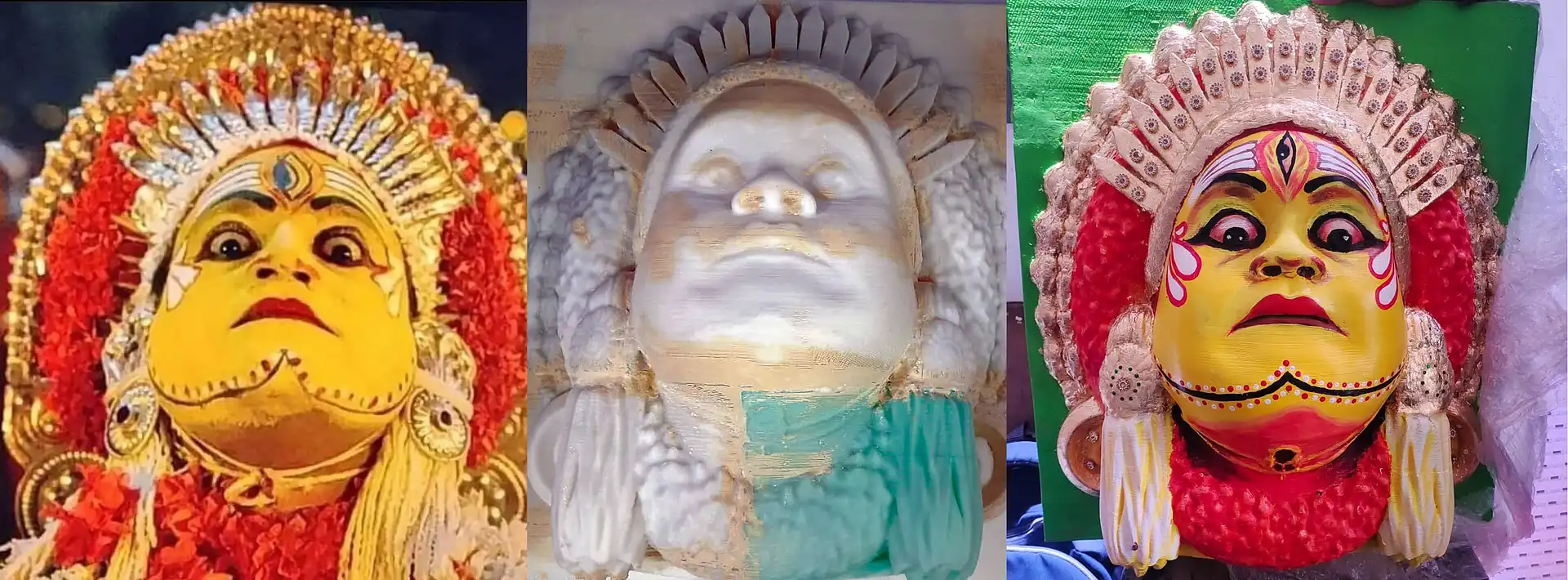
A great example is our Yakshagana mask project, where technology helped revive a piece of cultural tradition.
4. Architectural Models
Architects rely on 3D printed models to turn plans into visual storytelling tools. These models help in:
- Showcasing exterior facades, interiors, and landscapes
- Presenting urban planning concepts
- Demonstrating structure and functionality
- Helping clients understand the project instantly
Credit: Google_Voxeljet
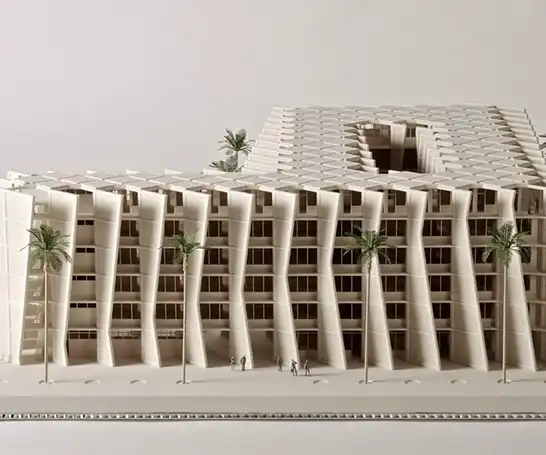
A physical model makes every design idea clearer and more compelling.
5. Education & Research
Students and researchers experience concepts better when they can touch and interact with them. 3D printed models are used for:
- Teaching engineering and scientific concepts
- Studying mechanical components
- Conducting design research
- Creating prototypes for experimentation
Credit: Google_3D Printing Industry
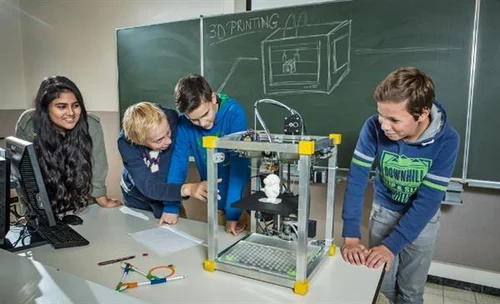
Hands-on models make learning more engaging and practical.
6. Entertainment & Film Industry
The entertainment industry has embraced 3D printing for its speed and creative freedom. It’s used for:
- Props and miniature sets
- Sci-fi vehicles, fantasy creatures, and character models
- VFX pre-visualization
- Rapid prototyping of costumes and accessories
credit: Google_There you have it 3D | Credit: Google_There you have it 3D
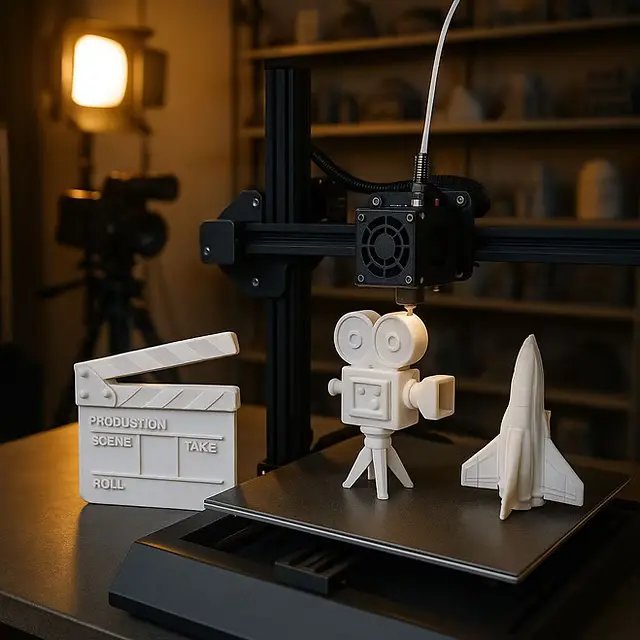
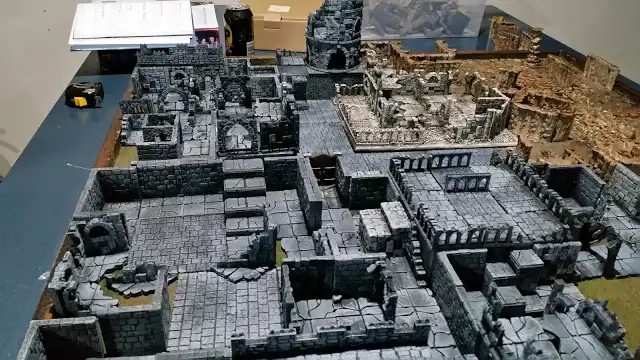
From futuristic drones to character masks, 3D printed models help bring imagination to life on screen—quickly and efficiently.
Scaling Objects: Big to Small & Small to Big
Shrinking Big Objects into Miniature Models
Large machines, vehicles, and aircraft can be converted into:
- Compact desk models
- Exhibition pieces
- Client demo prototypes
- Portable marketing assets
Credit: Google_All3DP

Even a full-size aircraft can be transformed into a palm-sized model without losing detail.
Enlarging Small Objects for Better Visualization
When something is too small to study, 3D printing can scale it up for:
- Training and learning purposes
- Design reviews
- Museum and classroom demonstrations
- Event displays
Credit: Google_3DPrint.com
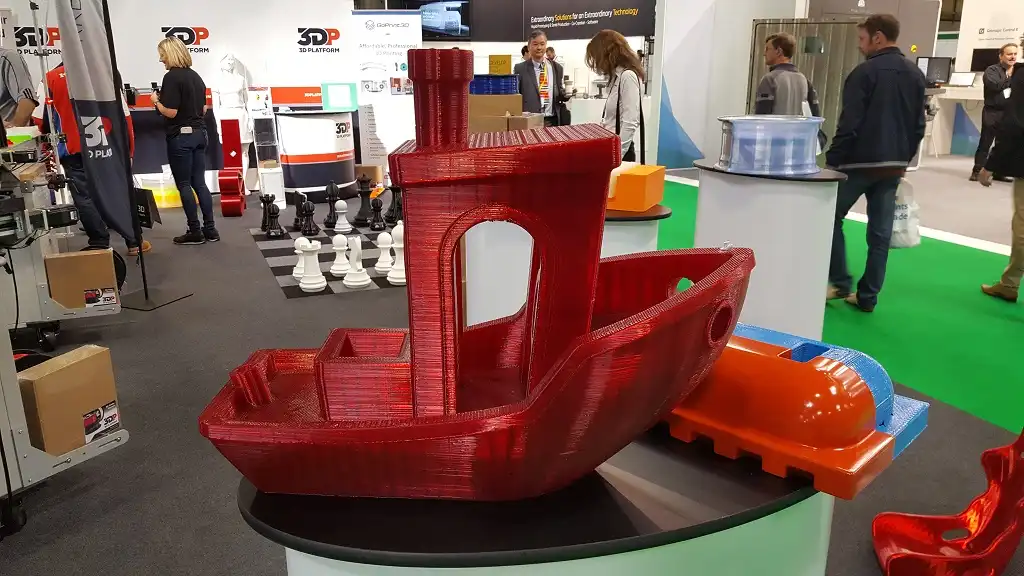
Tiny parts and intricate components become easier to analyze when enlarged.
Conclusion
3D printing has completely redefined the way scale models are created. Its speed, accuracy, flexibility, and affordability make it a top choice for engineers, filmmakers, artists, educators, and innovators. From aerospace prototypes and defense models to cultural replicas and film props, 3D printed scale models deliver clarity and creativity like never before. At Garuda3D, we specialize in turning your digital ideas into stunning physical models for exhibitions, research, presentations, and creative projects. If you can imagine it, we can print it.