

Keerthika Technologies,
2-39/1/B, Beside DENA
Bank, Gowthami Nagar,
Chandanagar, Hyderabad,
India - 500050
Find the best material in under 60 seconds. Compare strength, temperature resistance, flexibility, finish quality, cost, and lead time across all major 3D printing technologies.
From Concept Design to Functional 3D Printed Parts
Disclaimer : This is a beginner's guide — it won't cover every material, grade, or edge case. We're continuously expanding it with new materials and processes, so check back often. For complete mechanical data and datasheets, visit our Materials Database →
Material choice is tied directly to the printing technology. Each process unlocks a different material family — start by understanding what each technology is best at.
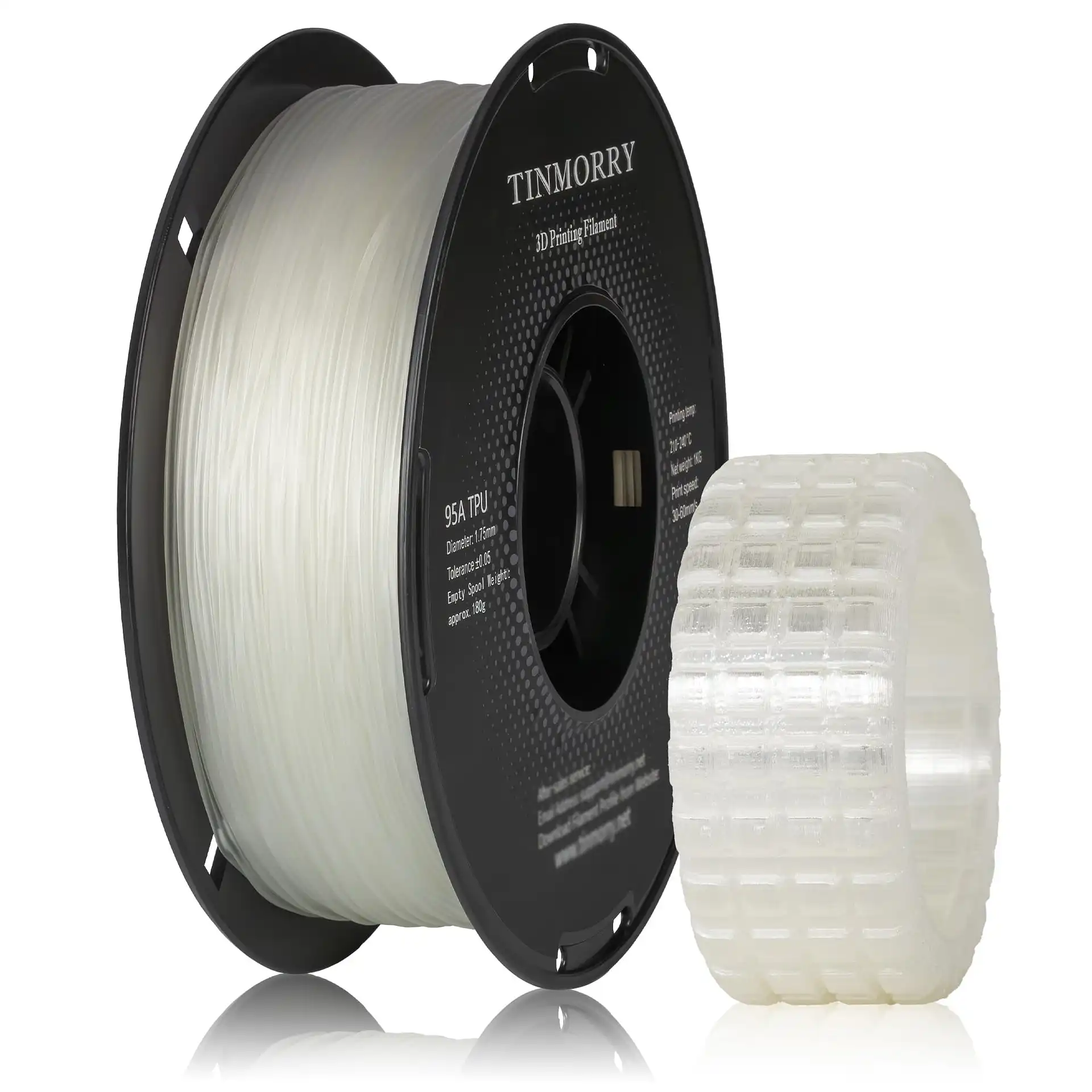
Cost-effective layer-by-layer printing with the widest material variety.
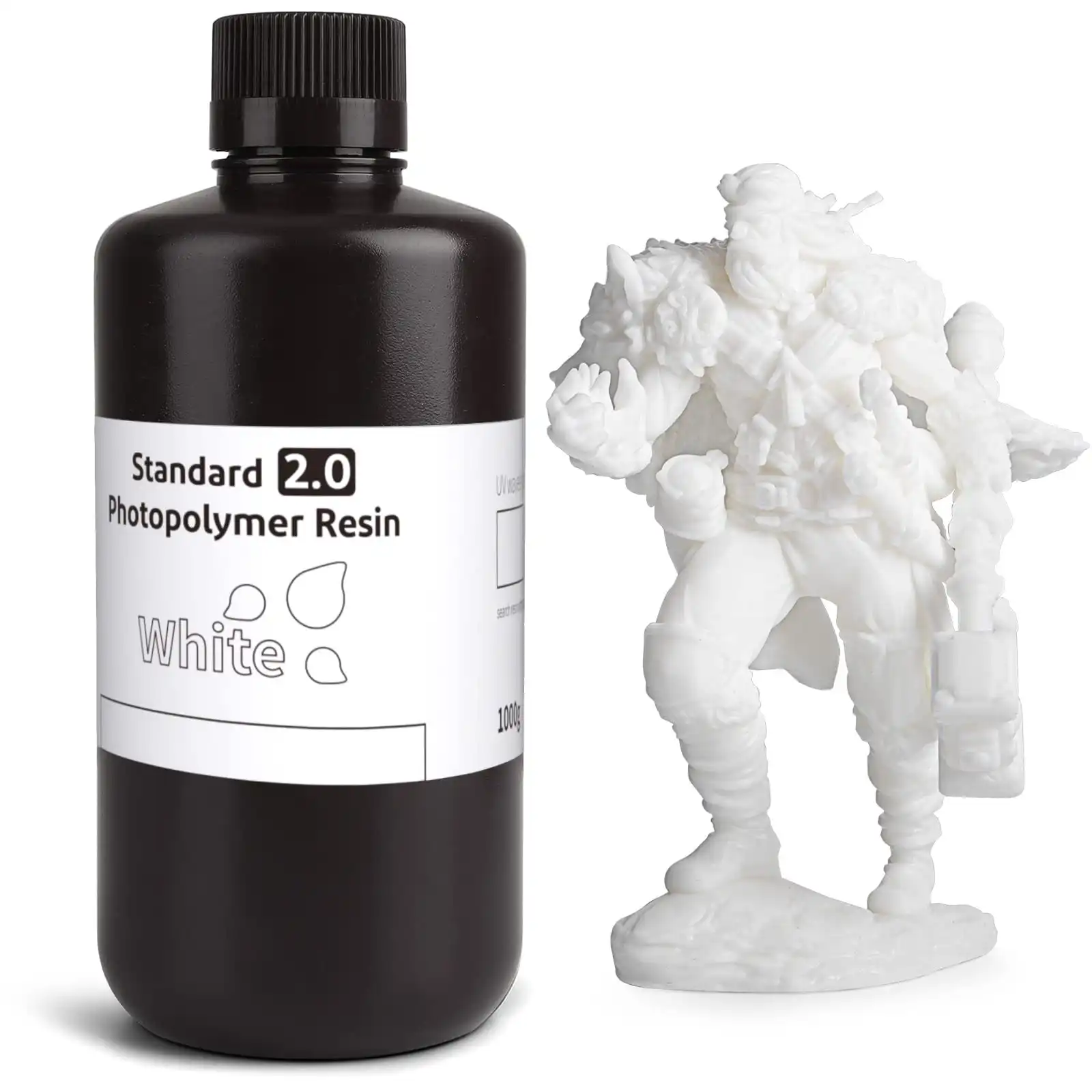
UV laser-cured resin for ultra-fine detail and smooth finishes.
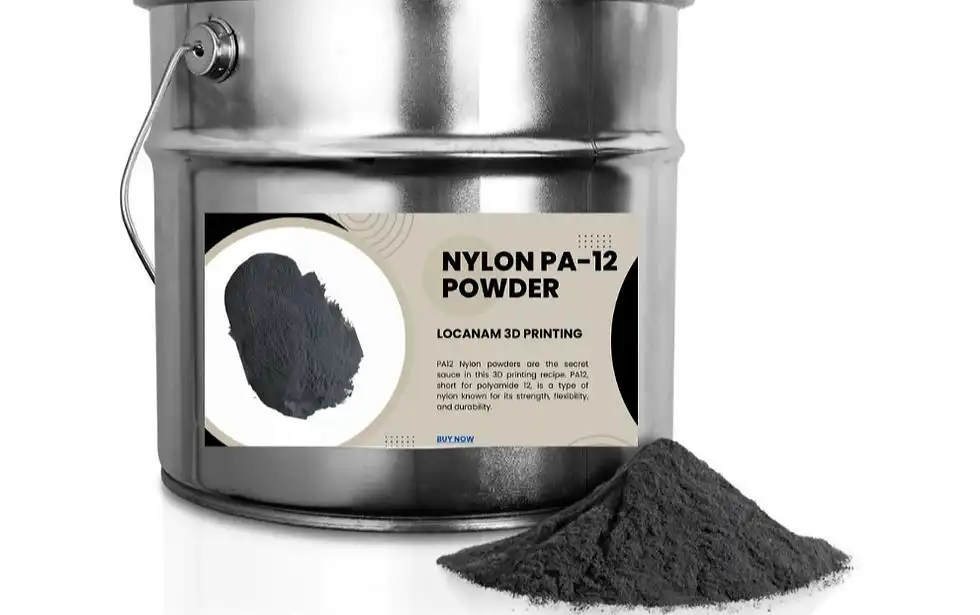
Powder bed fusion producing strong, support-free Nylon parts.
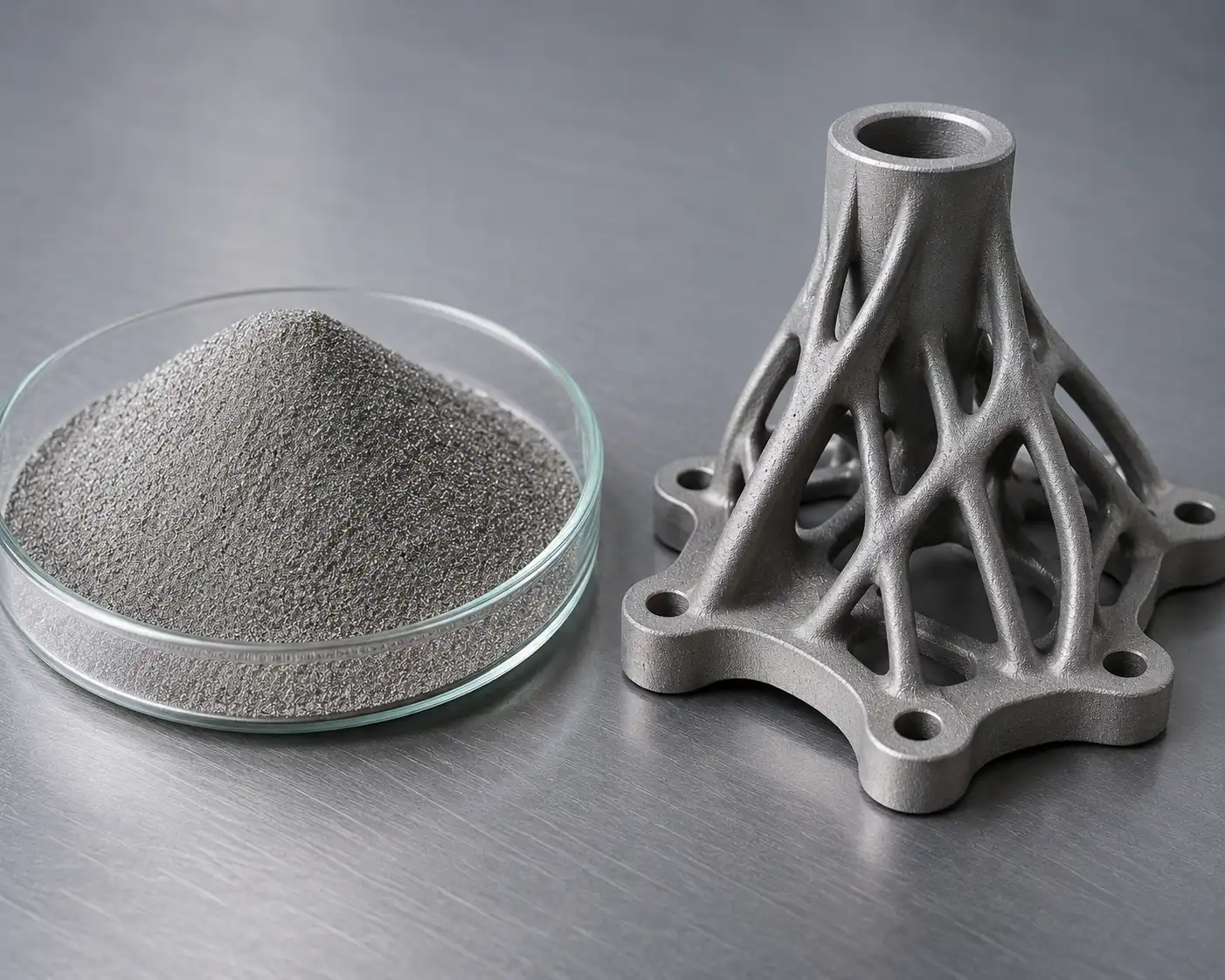
Fully dense metal parts matching wrought material properties.
Tell us what matters most for your part and we'll narrow down the right materials from our library.
If you'd rather reason through it manually, walk through these questions in order — most projects land on the right material by question three.
Visual/form-check models can use the cheapest viable material. Functional parts need a material rated for the actual mechanical, thermal, or chemical environment.
Under 50°C, most thermoplastics work fine. Above 100°C, you need ASA, PC, Nylon, or move to SLS/Metal. Above 300°C, in plastics: ULTEM (PEI), PEEK, PEKK.In metals: SS 316L, Ti6Al4V, Inconel IN718, CoCrW, Maraging Steel, 17-4 PH, AlSi10Mg, CP Titanium.
If the part needs sub-100 micron detail, a watertight seal, or a near-injection-moulded surface straight off the printer, SLA resin is the answer over FFF.
FFF parts are weaker along the Z-axis (layer direction). If your part is loaded from multiple directions or has complex geometry with overhangs, SLS Nylon is isotropic and needs no supports.
Implants and surgical guides need ISO 10993 biocompatible resin or Ti6Al4V/CoCrW metal. Aerospace load-bearing parts typically need Ti6Al4V, IN718, or AlSi10Mg with full material certification.
Our most versatile process, supporting 10+ filament types across PLA, engineering thermoplastics, and composites. Build volume up to 500 × 500 × 500 mm at 0.1 mm layer resolution.
Choose PLA for fast, low-cost prototypes; move to ABS, PETG, ASA, or PC for parts that need to survive heat, impact, or outdoor exposure; or go to Nylon and Carbon Fibre composites for the most demanding functional applications.
Explore FFF 3D Printing Service →Easiest to print, biodegradable, excellent surface finish. Ideal for prototypes and display models.
Tough, heat-resistant. Used in engineering parts, enclosures, automotive components.
Combines PLA's ease with ABS durability. Good chemical resistance, food-safe grades available.
Flexible, rubber-like. Excellent for gaskets, grips, wearables, shock-absorbing parts.
Superior mechanical strength and wear resistance. Preferred for functional parts and gears.
Chopped carbon fibre reinforced. Very high stiffness-to-weight ratio for aerospace and motorsport.
UV-resistant ABS alternative. Weatherproof for outdoor signage, enclosures, automotive trim.
Extreme toughness and temperature resistance. Used in jigs, fixtures, optical-grade parts.
Ultra-high performance polymer for aerospace, medical implants, oil & gas and industrial tooling.
Easier to print than PEEK with exceptional mechanical strength and flame resistance.
High-strength, flame-retardant thermoplastic widely used in aerospace and railway industries.
High-temperature engineering polymer suitable for tooling, aerospace and medical applications.
Lightweight alternative to metal with exceptional rigidity and thermal performance.
Improved dimensional stability for structural applications under high temperatures.
High-strength composite for aerospace and motorsport components.
Superior rigidity and chemical resistance for industrial tooling.
High-performance composite with excellent heat resistance and lightweight properties.
UV laser-cured resin delivering 25 micron layer resolution and ± 0.1 mm accuracy — roughly 4× finer than standard FFF. All resins require mandatory IPA wash and UV post-cure.
Standard resin covers most prototyping needs; Tough and Flexible resins simulate ABS and rubber respectively; Castable resin is purpose-built for jewellery investment casting with zero-ash burnout; and Biocompatible resin is ISO 10993 certified for dental and medical use.
Explore SLA 3D Printing Service →General-purpose photopolymer for prototypes, display models, and design validation.
Simulates ABS thermoplastic properties for functional engineering parts.
Simulates polypropylene — high fatigue resistance and repeated flexion without fracture. Ideal for living hinges, snap-fits, and squeeze bottles.
Heat-deflection temperature of 238°C — for moulds, housings near heat sources, and test fixtures requiring high thermal stability.
Rubber-like resin for gaskets, grips, and wearable prototypes.
Zero ash burnout resin designed for jewellery and dental investment casting.
ISO certified resin suitable for medical and dental applications.
Optical-grade transparent resin for display and fluid-flow applications.
Selective Laser Sintering produces isotropic, support-free Nylon parts with mechanical properties comparable to injection moulding. Build volume 340 × 340 × 600 mm, ± 0.3 mm accuracy.
PA12 is the SLS workhorse — rigid, chemically resistant, ideal for enclosures and snap-fits. PA11 is bio-based ( derived from castor oil ) and offers higher ductility and impact resistance for flexible ducts, prosthetics, and footwear.
Explore SLS 3D Printing Service →The SLS workhorse — excellent balance of strength, chemical resistance, and dimensional stability.
Derived from castor oil. Greater ductility and impact resistance — flexible ducts, prosthetics, footwear.
Direct Metal Laser Sintering produces fully dense ( >99.5% ) parts in 8 engineering alloys at ± 0.1 mm as-built accuracy. All metal prints require mandatory stress-relief heat treatment.
From cost-effective SS 316L for general industrial use to Ti6Al4V for biomedical implants and aerospace, to Inconel IN718 for parts that need to survive 700°C — Garuda3D's metal library covers the full range of demanding engineering applications.
Explore Metal 3D Printing Service →Low-carbon austenitic stainless. Excellent corrosion resistance, broad chemical compatibility.
Lightweight, high strength-to-weight ratio, good thermal conductivity, thin-wall capable.
Exceptional strength-to-weight, biocompatible, 60% lighter than steel.
Precipitation-hardened, exceptional strength retention up to 700°C.
High wear and corrosion resistance, biocompatible. Medical implants and turbine parts.
Exceptional toughness, hardness, dimensional stability after heat treatment.
Martensitic stainless combining high strength and good corrosion resistance.
Excellent corrosion resistance, lightweight, outstanding biocompatibility.
Side-by-side comparison of every material in our library — relative strength, max service temperature, and the application each suits best.
← Swipe horizontally to view all material properties →
| Material | Process | Strength | Max Temp | Surface Finish | Best Application |
|---|---|---|---|---|---|
| PLA Polylactic Acid | FFF | Moderate | ~50°C | Good | Visual prototypes, display models |
| PETG PET Glycol | FFF | High | ~70°C | Good | General functional parts, food-safe grades |
| ABS Acrylonitrile Butadiene Styrene | FFF | High | 98°C | Moderate | Enclosures, automotive components |
| ASA Acrylonitrile Styrene Acrylate | FFF | High | ~95°C | Moderate | Outdoor / UV-exposed parts |
| TPU Thermoplastic Polyurethane | FFF | Flexible | ~80°C | Moderate | Gaskets, grips, wearables |
| Nylon (PA) Polyamide | FFF | Very High | ~120°C | Moderate | Gears, functional end-use parts |
| Carbon Fibre Composite CF-Reinforced | FFF | Very High | ~120°C | Moderate | Aerospace, motorsport, lightweight rigid parts |
| Polycarbonate (PC) PC | FFF | Very High | 130°C | Moderate | Jigs, fixtures, optical-grade parts |
| Standard Resin General Purpose | SLA | Moderate | ~55°C | Excellent | Prototyping, display models |
| Tough Resin ABS-Like | SLA | High | ~60°C | Excellent | Functional engineering parts |
| Flexible Resin Rubber-Like | SLA | Flexible | ~50°C | Excellent | Wearables, gaskets |
| Castable Resin Zero-Ash Burnout | SLA | Moderate | N/A | Excellent | Jewellery & dental investment casting |
| Biocompatible Resin ISO 10993 | SLA | Moderate | ~55°C | Excellent | Medical & dental applications |
| Transparent Resin Optical-Grade | SLA | Moderate | ~55°C | Excellent | Optics, fluid-flow visualisation |
| PA12 Nylon Polyamide 12 | SLS | Very High | 163°C | Matte / Granular | Functional end-use parts, enclosures |
| PA11 Nylon Polyamide 11 · Bio-Based | SLS | High | 185°C | Matte / Granular | Flexible ducts, prosthetics, footwear |
| SS 316L Stainless Steel | Metal | Very High | ~400°C | Ra 8–15 µm | Medical, marine, chemical tooling |
| AlSi10Mg Aluminium Alloy | Metal | High | ~300°C | Ra 8–15 µm | Aerospace, automotive, heat exchangers |
| Ti6Al4V Titanium Alloy | Metal | Very High | ~400°C | Ra 8–15 µm | Implants, aerospace brackets, racing |
| Inconel IN718 Nickel Superalloy | Metal | Extreme | 700°C | Ra 8–15 µm | Turbines, rocket engine parts |
| CoCrW Cobalt-Chromium-Tungsten | Metal | Extreme | 800°C | Ra 8–15 µm | Medical implants, turbine parts, dental |
| Maraging Steel Ultra-High Strength Steel | Metal | Extreme | ~500°C | Ra 8–15 µm | Tooling, aerospace, motorsports |
| 17-4 PH Precipitation Hardening SS | Metal | Very High | ~480°C | Ra 8–15 µm | Oil & gas, industrial tooling, valves |
| CP Titanium (Gr. 2) Commercially Pure Ti | Metal | Moderate | ~300°C | Ra 8–15 µm | Medical implants, chemical processing |
Common starting points based on what we see most often across our 1150+ clients in industry and academia.
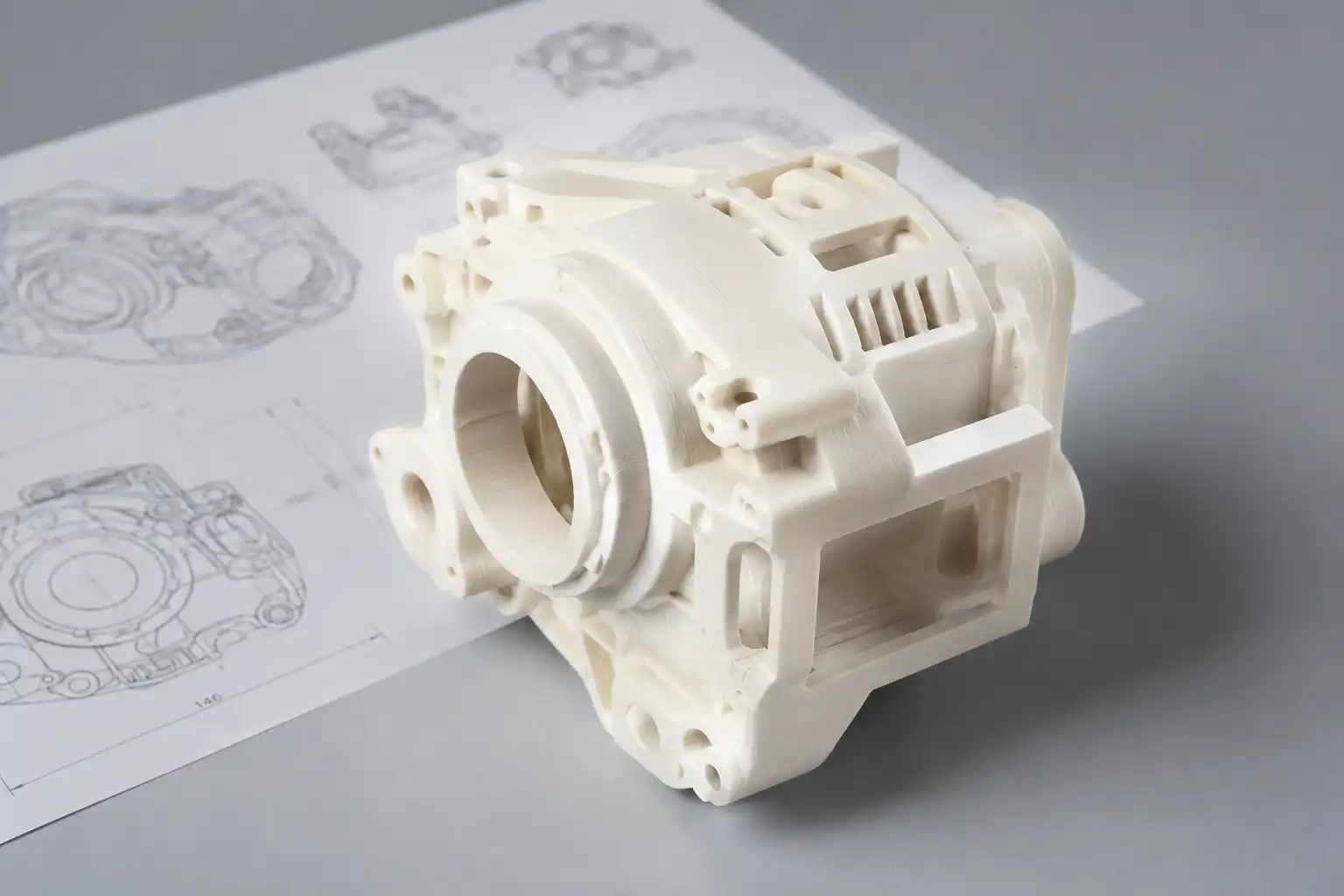
Fast, low-cost iterations to validate form, fit, and design intent before committing to production materials.
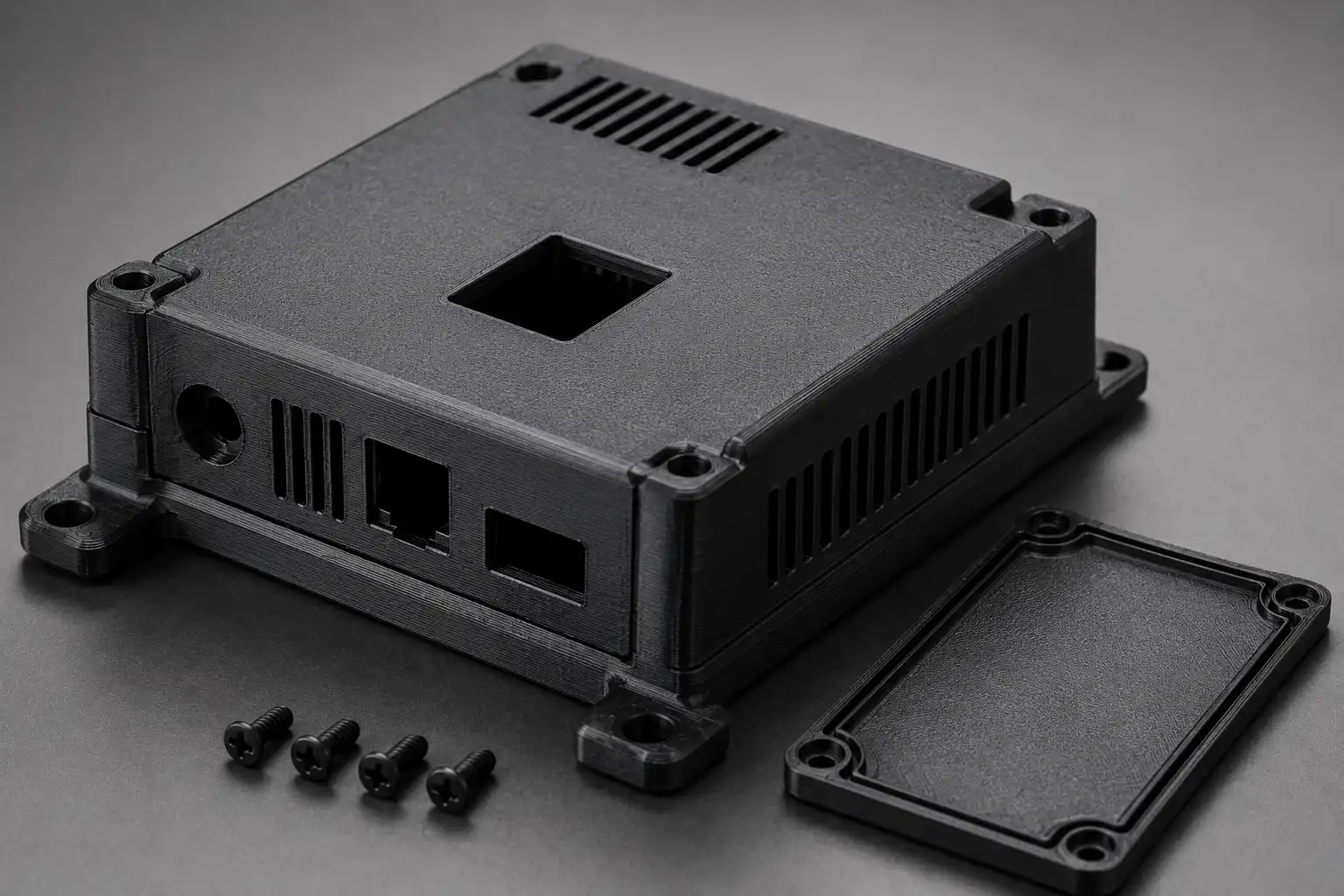
Brackets, housings, jigs, and fixtures that need to survive handling, mild impact, and everyday operating conditions.
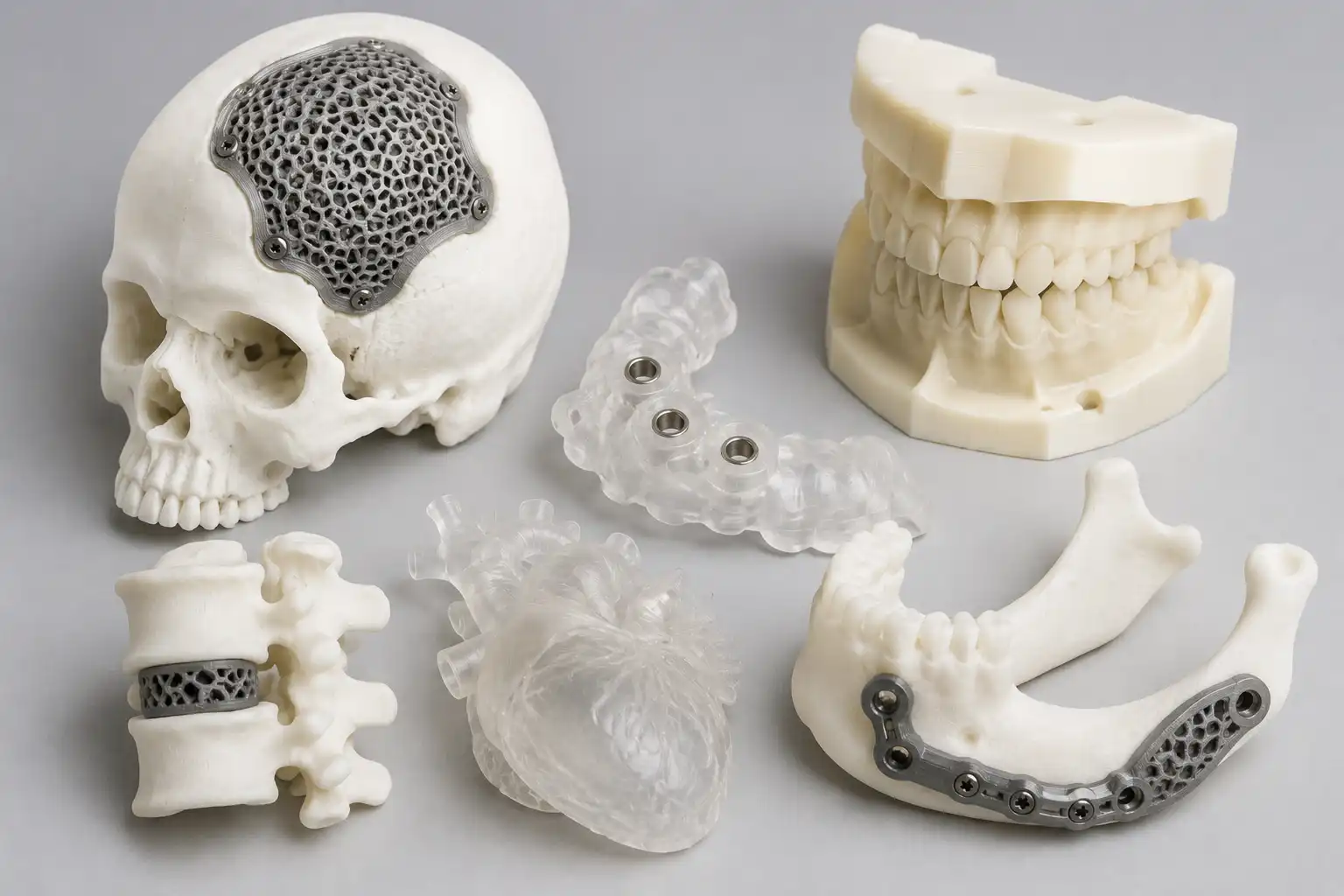
Surgical guides, dental models, splints, and patient-specific devices requiring biocompatibility and sterilisation.
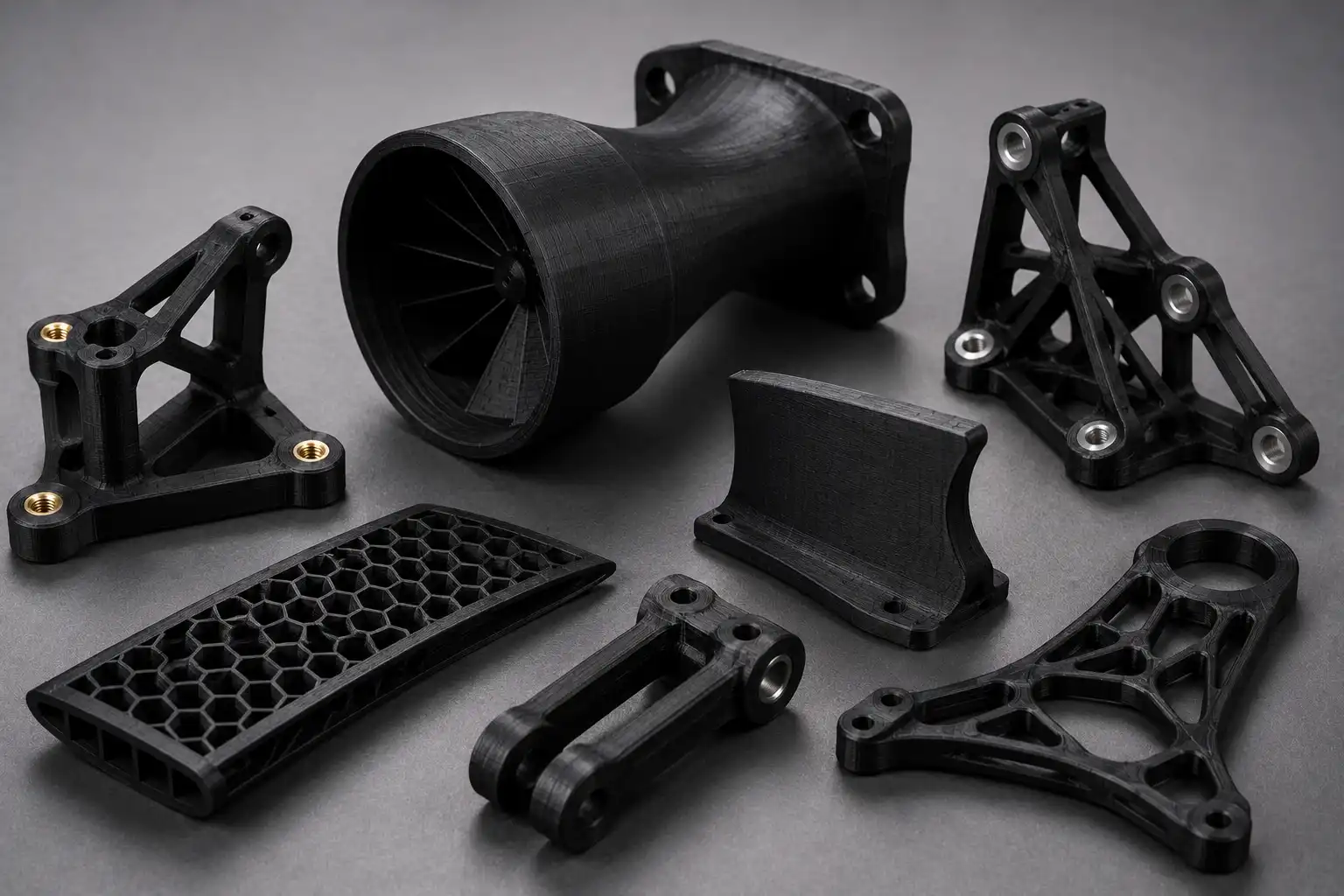
Lightweight, high-strength components for weight-critical structures, brackets, and performance parts.
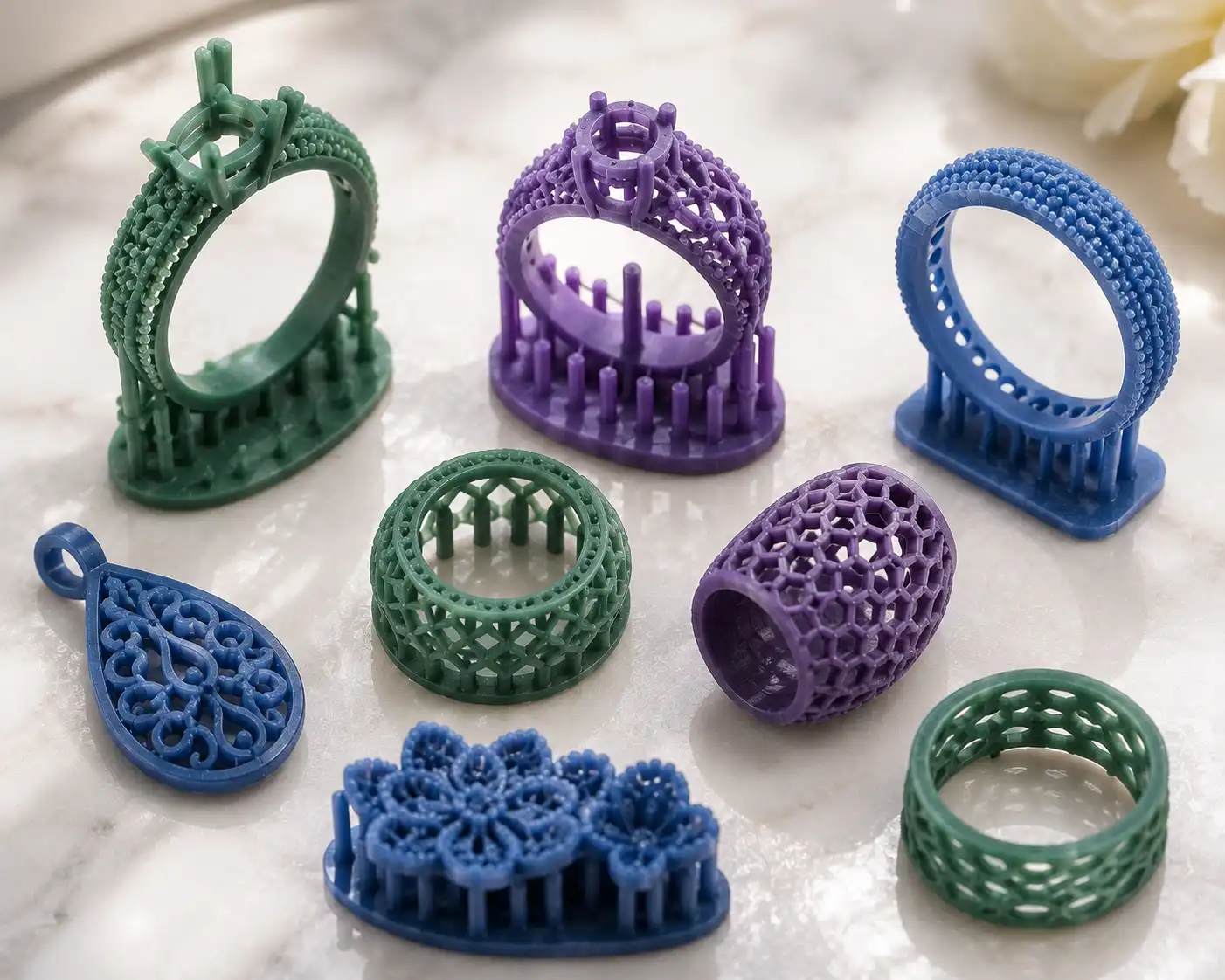
Ultra-fine detail masters for investment casting, with clean burnout and minimal ash residue.
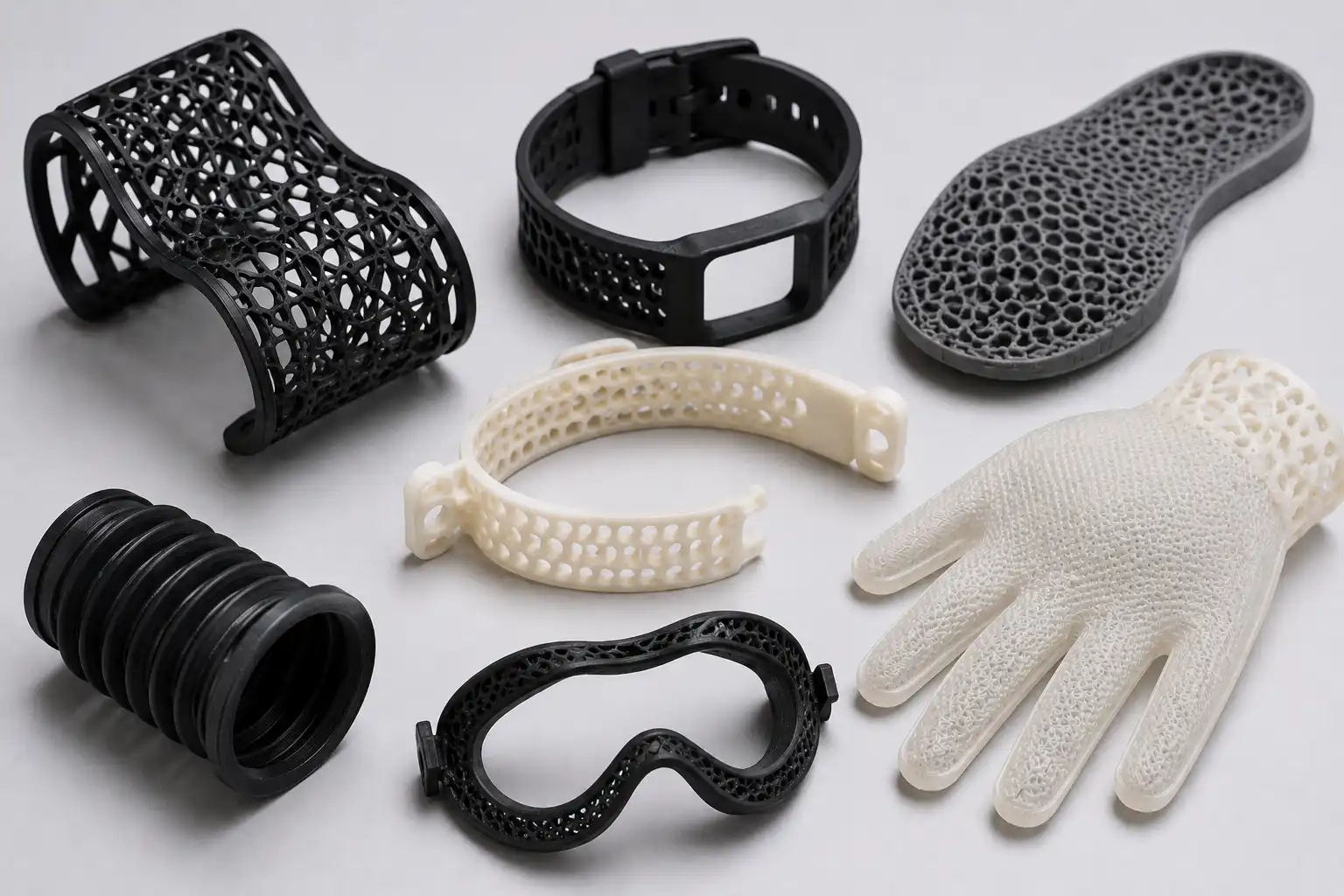
Gaskets, grips, straps, and shock-absorbing components that need to flex and return to shape.
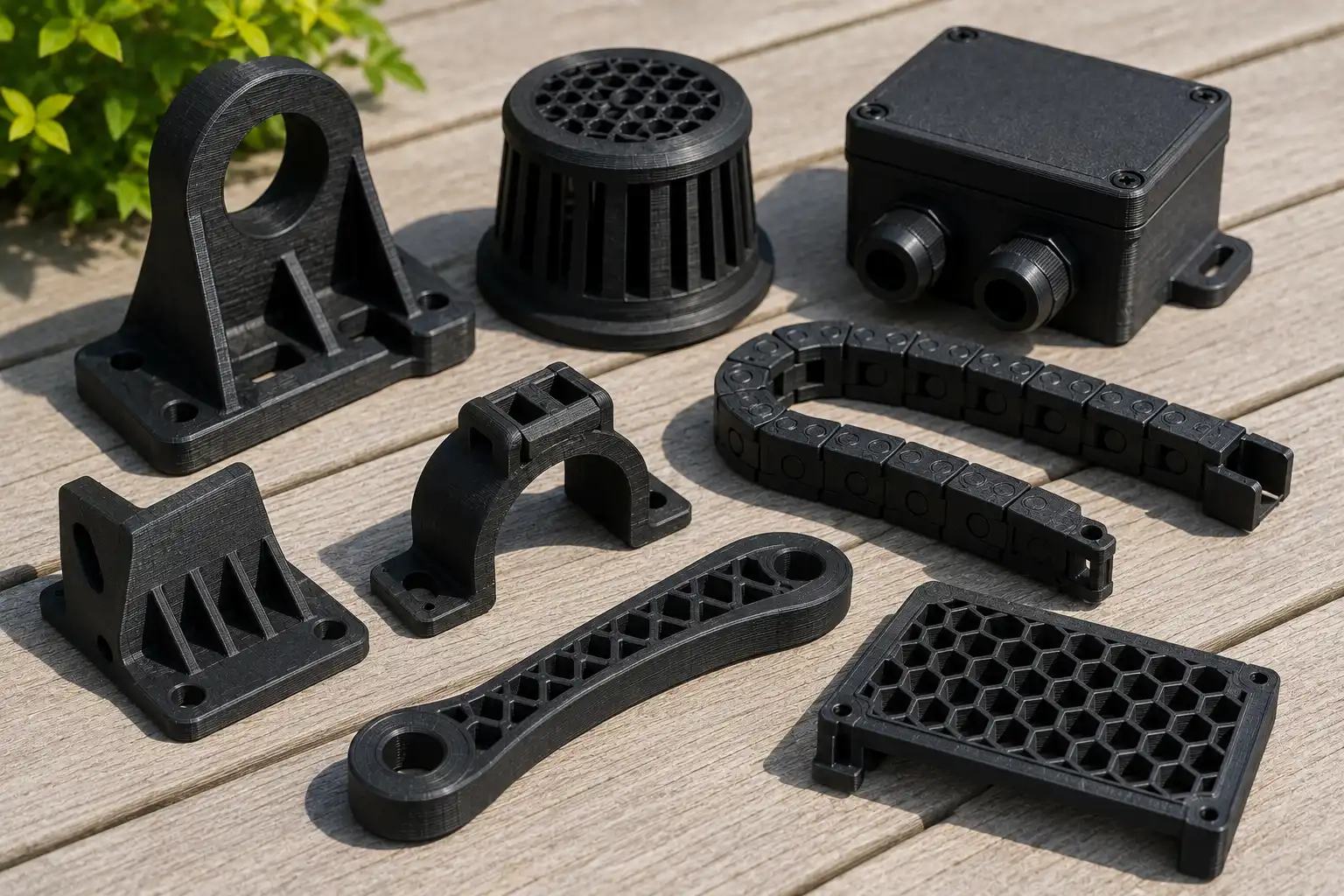
Signage, enclosures, and automotive trim parts that face long-term sun and weather exposure.
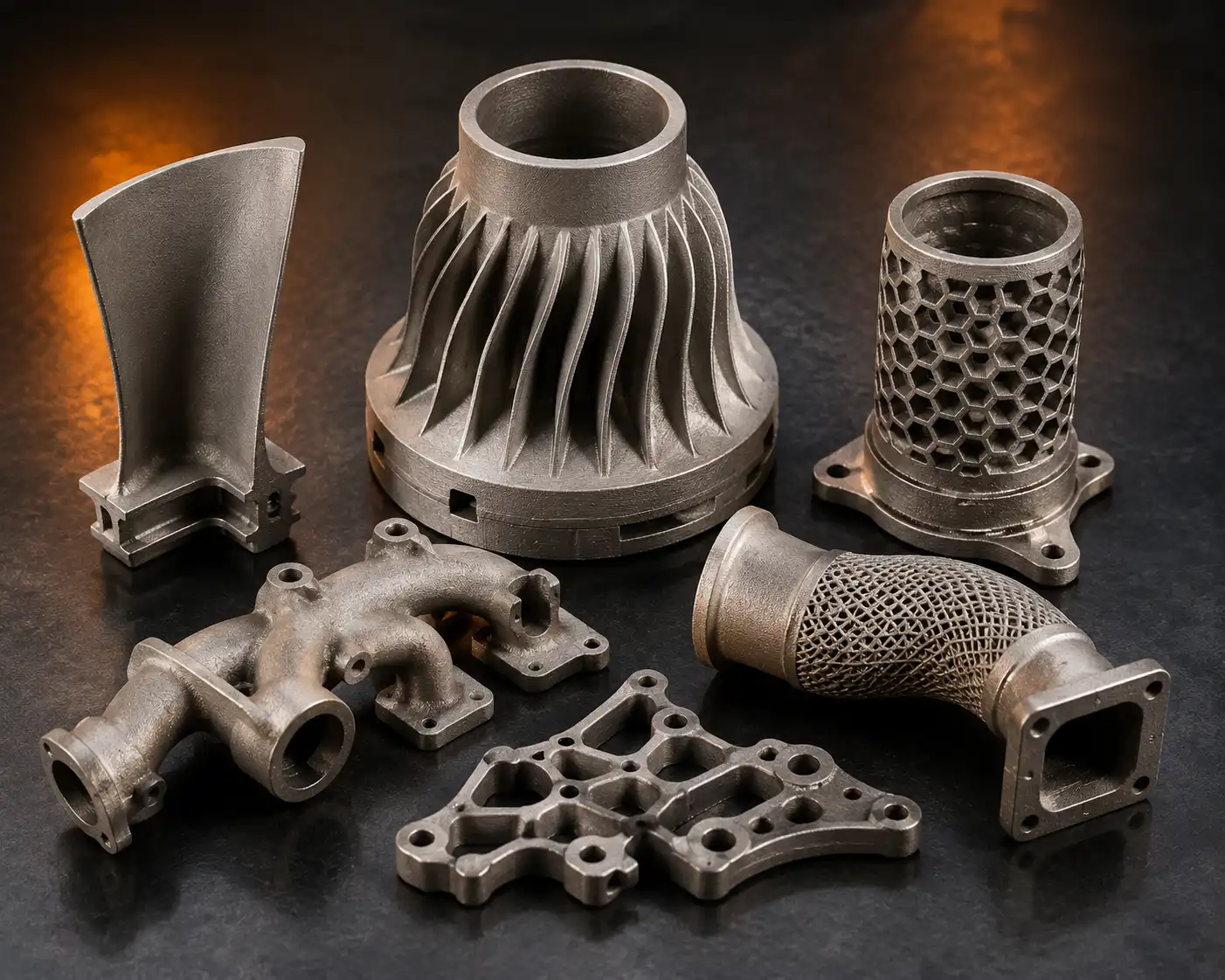
Components near engines, ovens, or process equipment where standard plastics would deform.
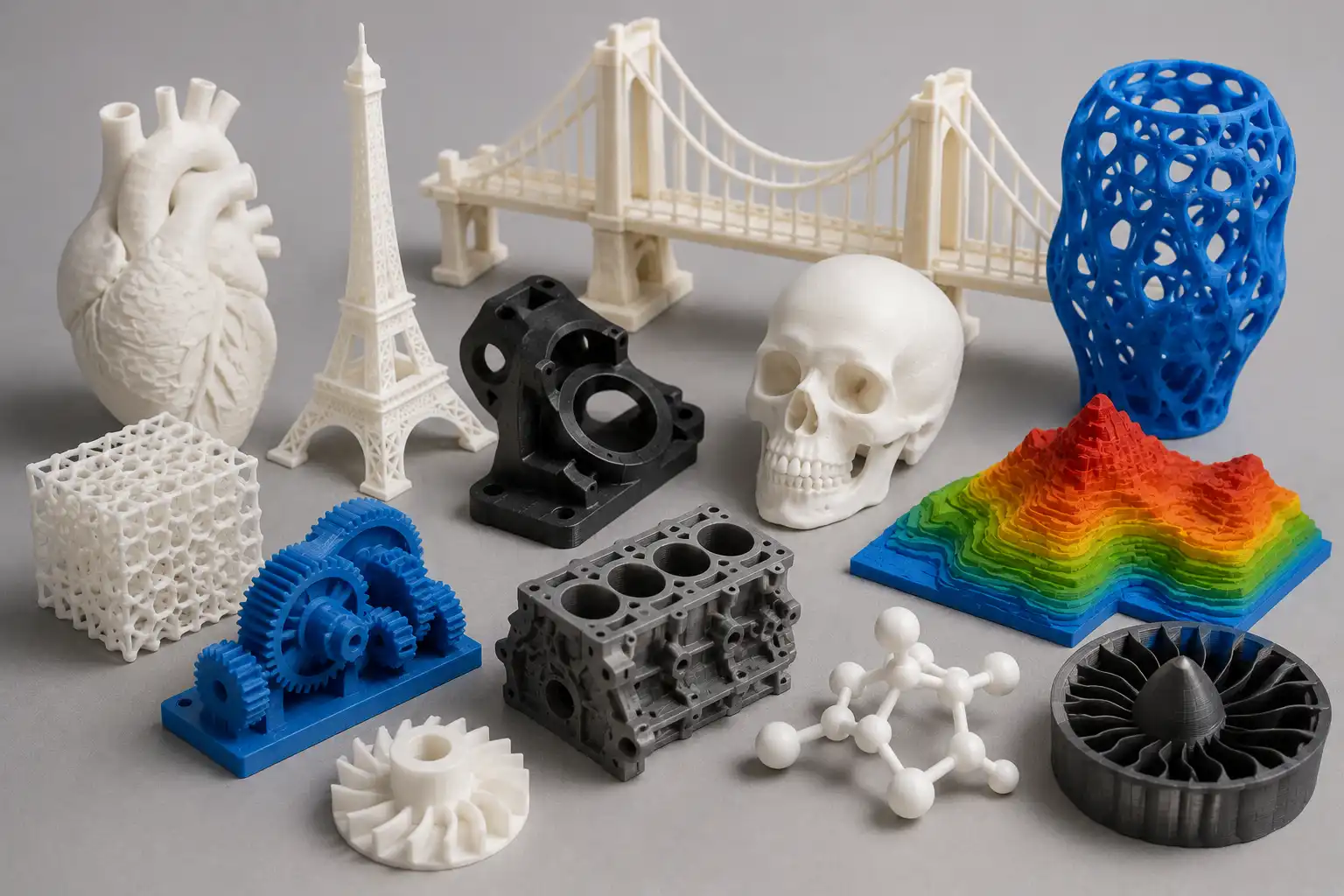
Teaching models, demonstration units, and research prototypes where cost and turnaround matter most.
PLA is the easiest to print and has the best out-of-the-box surface finish, but is the most brittle and least heat-resistant ( ~50°C ). ABS is tougher and handles higher temperatures ( up to 98°C ) but is more prone to warping. PETG sits in between — nearly as easy to print as PLA, with strength and chemical resistance closer to ABS, plus food-safe grades. For most functional parts, PETG is the safer default; for visual models, PLA wins on finish and cost.
Choose SLA when you need fine surface detail ( 25–100 µm layers vs 100–400 µm for FFF ), tight tolerances ( ± 0.1 mm ), watertight parts, or optical clarity — typical for dental models, jewellery masters, miniatures, and medical / biocompatible applications. Choose FFF when you need a larger build volume, engineering thermoplastics like ABS/Nylon/PC, or lower cost with acceptable surface quality.
Both use similar base polymers, but SLS Nylon ( PA12/PA11 ) is isotropic — meaning it has equal strength in all three axes — while FFF parts are anisotropic and tend to be weaker along the layer ( Z ) direction. For parts loaded from multiple directions, complex geometries with overhangs, or batch production, SLS is the stronger and more design-flexible choice.
For weight-critical aerospace brackets, Ti6Al4V ( UTS ~1100 MPa, 60% lighter than steel ) or AlSi10Mg ( UTS ~460 MPa, very lightweight, good thermal conductivity ) are the most common choices. If the bracket operates in a high-temperature zone such as near an engine or exhaust ( up to 700°C ), Inconel IN718 is the standard.
For polymer parts, SLA resins with ISO 10993 material data may be selected for skin- or mucosa-contact study models, surgical planning aids, and dental workflow components. For metal applications, Ti6Al4V, CP Titanium (Grade 2), and CoCrW are engineering alloys commonly used in implant-related research and prototyping, with final suitability depending on the intended end-use and validation path.
Three main options: TPU filament (FFF), Flexible SLA Resin, or PA11 Nylon (SLS). TPU is the most economical and widely used; Flexible Resin suits small, detailed parts; PA11 suits functional flexible components in production.
Yes. We recommend printing a single sample or small test batch in your chosen material before committing to a full production run, especially for functional parts where fit, tolerance, or mechanical performance is critical.
That's exactly what our engineering team is for. Share your part's function, load conditions, operating environment, and any regulatory requirements, and we'll recommend the right material and process including trade-offs on cost, lead time, and post-processing.
High-performance FDM materials are designed for demanding engineering applications where standard plastics cannot perform. They offer exceptional mechanical strength, heat resistance, chemical resistance and dimensional stability, making them suitable for aerospace, automotive, medical, oil & gas, defense and industrial tooling applications.
While all three are high-performance thermoplastics, each has unique advantages. PEEK provides the highest temperature and chemical resistance, PEKK offers similar performance with improved printability and lower warping, while ULTEM™ (PEI) is known for its flame-retardant properties, high strength and compliance with aerospace fire, smoke and toxicity (FST) standards.
Carbon fiber reinforced materials combine high-performance polymers with carbon fibers to significantly increase stiffness, strength and dimensional stability while reducing weight. These composites are commonly used for lightweight structural components, aerospace parts, industrial tooling, robotics and metal replacement applications.
Yes. Materials such as PEEK, PEKK, ULTEM™, PPS and their carbon fiber variants require industrial-grade FDM printers equipped with high-temperature hotends (up to 450°C), heated build chambers, heated beds and wear-resistant nozzles. These features ensure reliable printing, strong layer adhesion and minimal warping.
High-temperature engineering materials are widely used across aerospace, automotive, medical, defense, electronics, energy and manufacturing industries. They enable the production of functional prototypes, end-use components, jigs and fixtures, tooling, lightweight structural parts and custom components capable of operating in harsh environments with high temperatures and chemical exposure.
Send us your design file and requirements — our engineering team will recommend the right material and process at no extra cost.

