


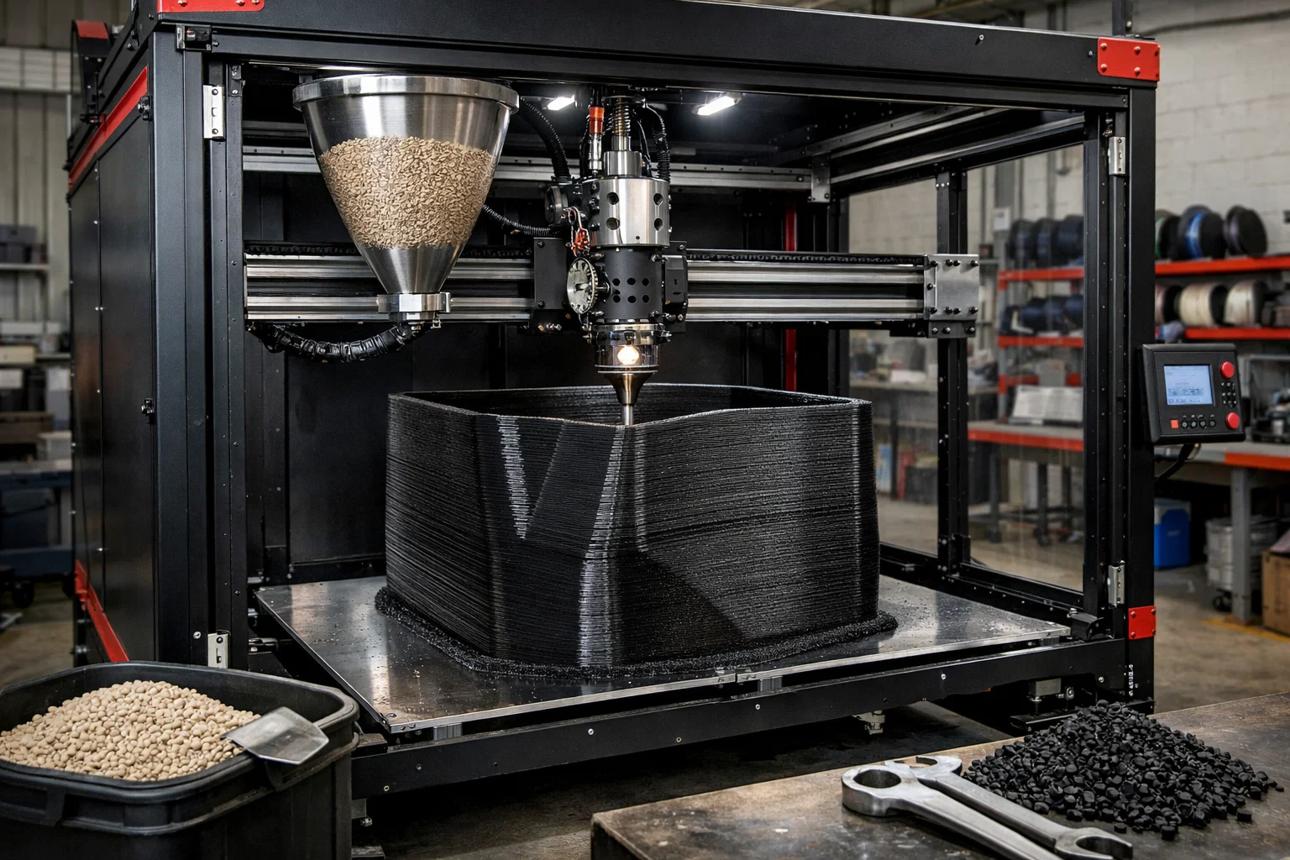
Large-format pellet 3D printing builds large plastic parts layer by layer from thermoplastic granules. By feeding raw pellets instead of conventional filament, the process can improve material economics and deliver the high deposition rates needed for moulds, tooling, prototypes and other substantial components.
Garuda3D offers pellet-based solutions for different production requirements, including the GF500, the large-volume GF1000 and a hybrid Pellet + Filament IDEX system. The right choice depends on part size, material, required finish and production workflow.
01 · The processWhat is large-format pellet 3D printing?
Also known as Fused Granulate Fabrication (FGF) or pellet extrusion, this additive manufacturing process melts plastic pellets and deposits them through a nozzle, building a part one layer at a time. Unlike FDM or FFF printers that feed a plastic filament, pellet machines use raw thermoplastic granules in a screw-based extrusion system.
The combination of direct raw-material processing and a large build area makes pellet extrusion useful when parts consume a lot of plastic or exceed the practical size of smaller printers.
02 · How it worksFrom pellets to finished component
- Load the pellets. Thermoplastic granules are placed in the printer hopper. Compatible materials can include PLA, ABS, PETG, flexible polymers and selected reinforced compounds.
- Melt and convey. A heated screw moves the pellets through controlled temperature zones, melting and preparing the polymer for deposition.
- Extrude the material. Molten plastic passes through the nozzle. Nozzle size, temperature, flow rate and motion settings affect output and detail.
- Build and finish. The printer follows a toolpath to deposit successive layers. The completed part may then be trimmed, machined or otherwise finished.
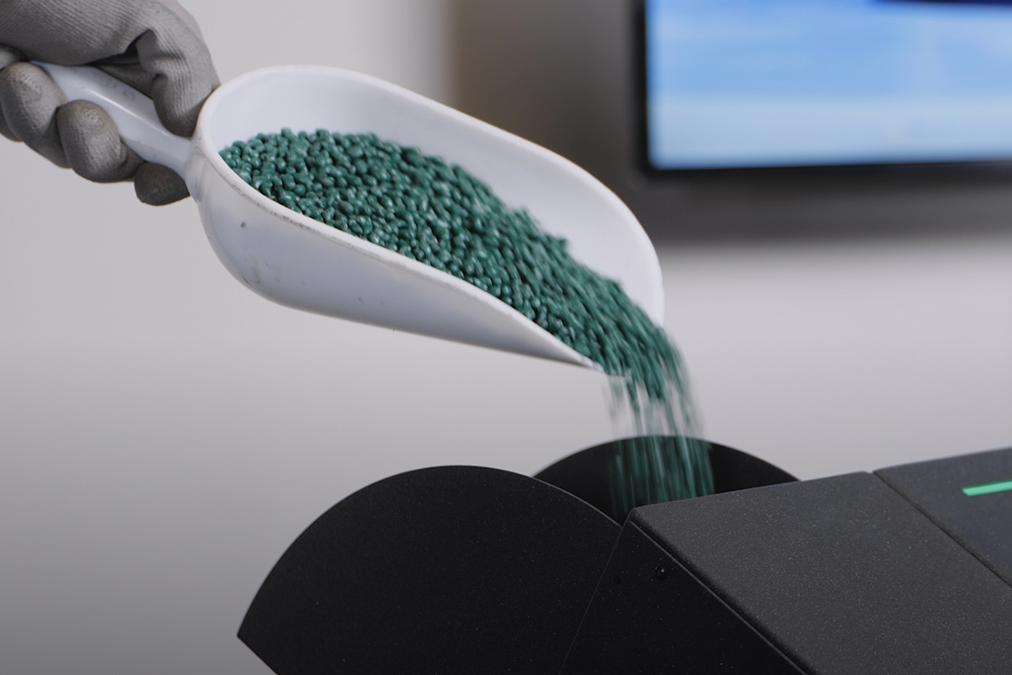
1. Feedstock
Pellets are loaded into the hopper for processing.
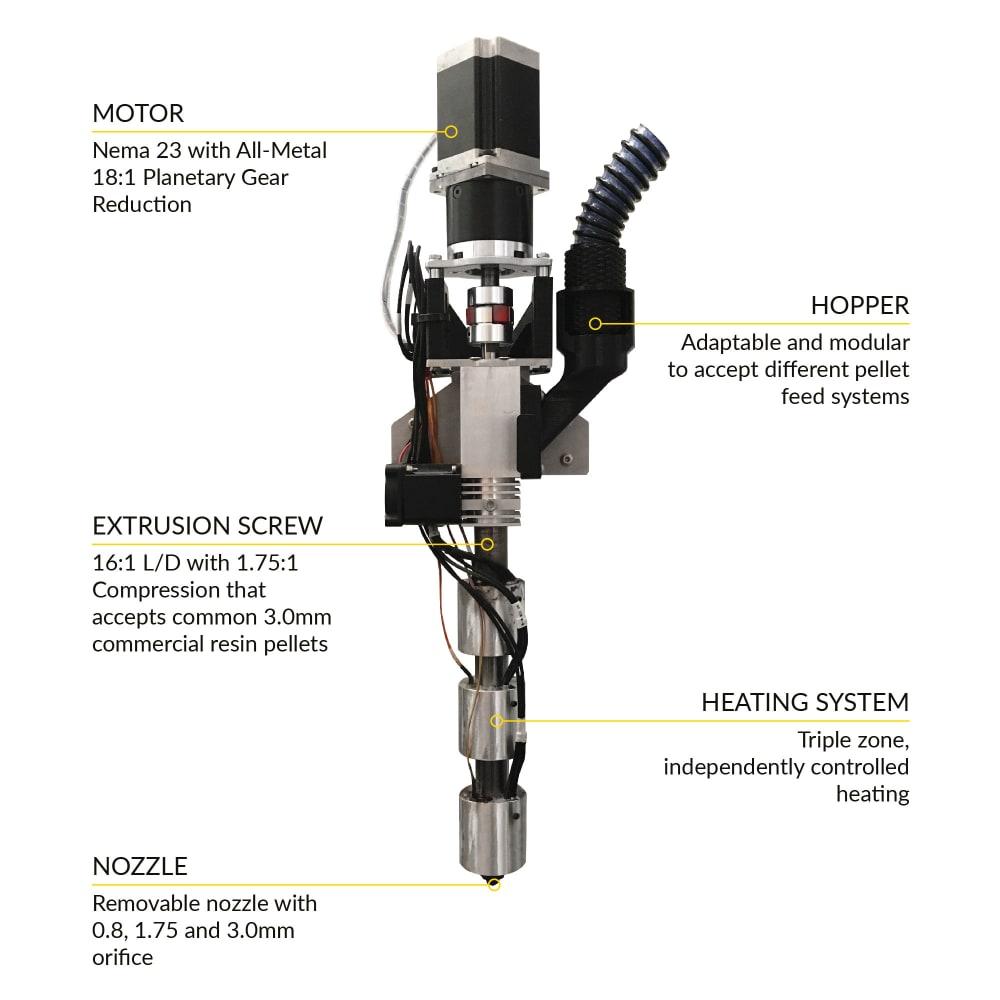
2. Melt and convey
The heated screw melts and moves material toward the nozzle.
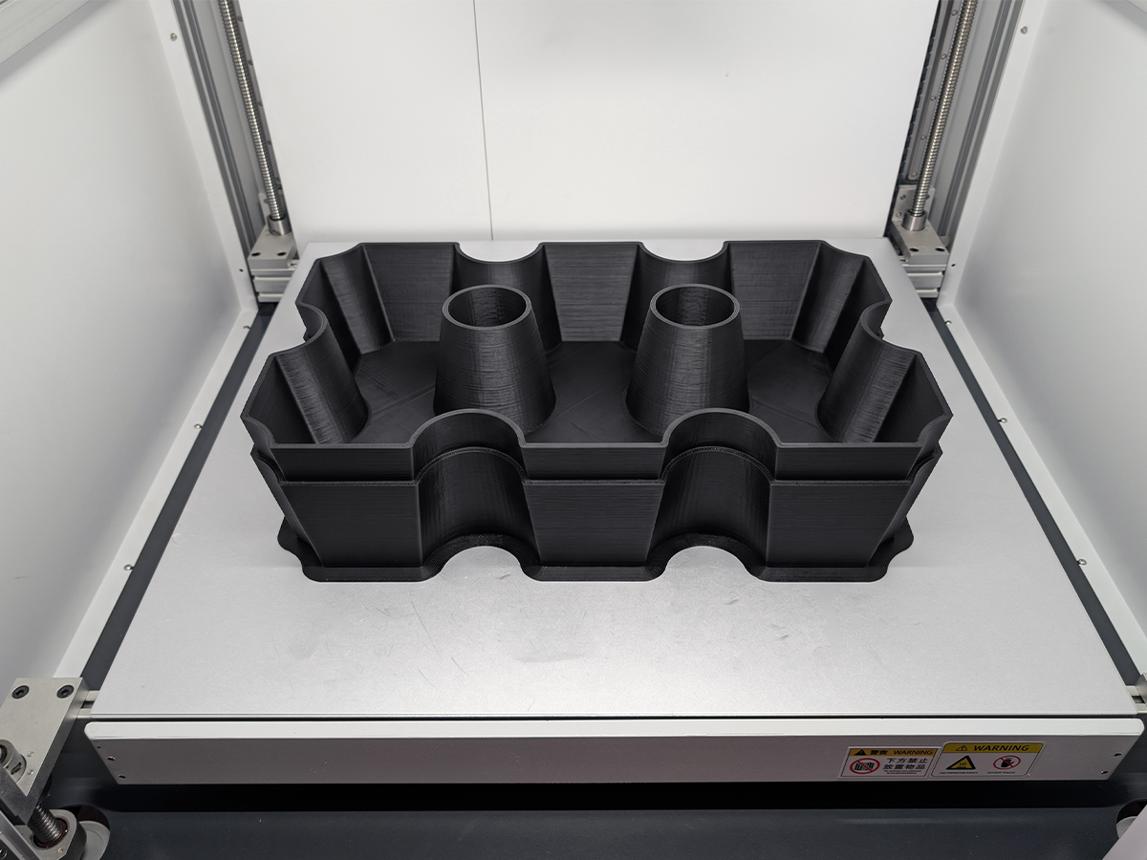
3. Deposit layers
The toolpath guides the extruded polymer to build the part.
03 · Why manufacturers use itKey benefits and trade-offs
- Lower material cost. Pellets generally cost less than equivalent filament because they skip the filament extrusion and spooling step. Actual savings depend on polymer grade, supplier pricing, waste and part design.
- Higher deposition rates. Screw-based extrusion can move more material per hour than conventional filament systems, making it useful for large, material-intensive builds.
- Large build volumes. Large-format machines can produce oversized models and components in fewer sections, potentially reducing assembly work.
- Industrial material options. Pellet feedstock is available in a range of thermoplastics and selected filled compounds. Compatibility depends on the extruder, temperature limits and machine configuration.
- Rapid tooling and development. Moulds, casting patterns, jigs and fixtures can be produced without machining every feature from a solid block.
Pellet extrusion also involves trade-offs. Larger nozzles and higher flow rates can mean coarser surface detail than filament printing. Material handling, drying and process tuning need attention, especially with engineering polymers and reinforced compounds. Material savings and speed vary with the polymer, geometry, settings and finishing needs.
04 · Where it is usedApplications of large-format pellet printing
Pellet extrusion is most useful where component size, material volume or short tooling lead times matter more than very fine surface detail.
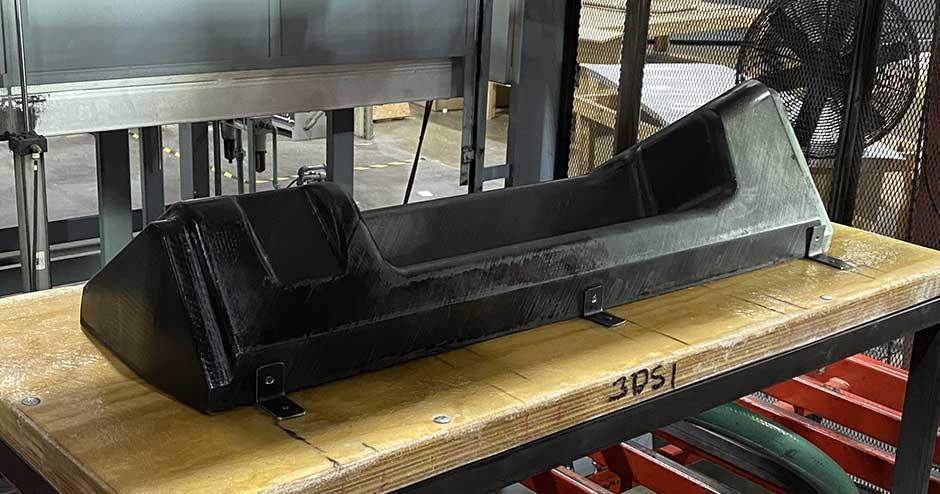
Industrial tooling and moulds
Produce forming tools, moulds and production aids with less reliance on conventional machining.
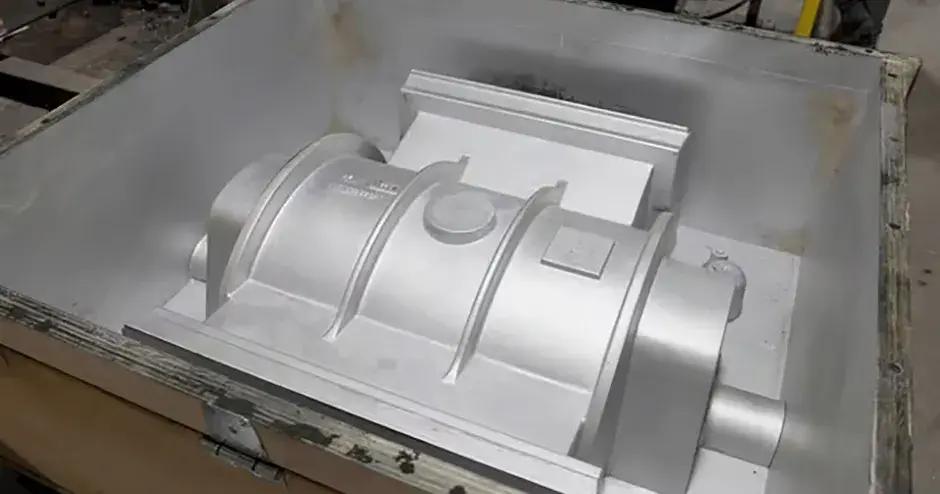
Foundry patterns
Create complex patterns for sand casting and other manufacturing workflows.
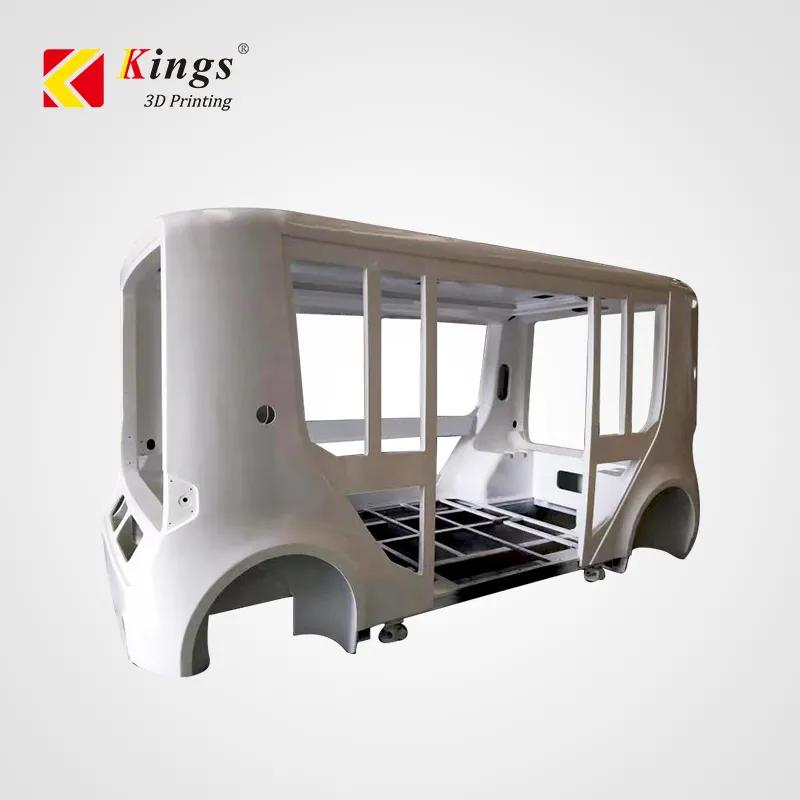
Prototyping
Evaluate full-scale housings, covers and structural mock-ups before tooling.
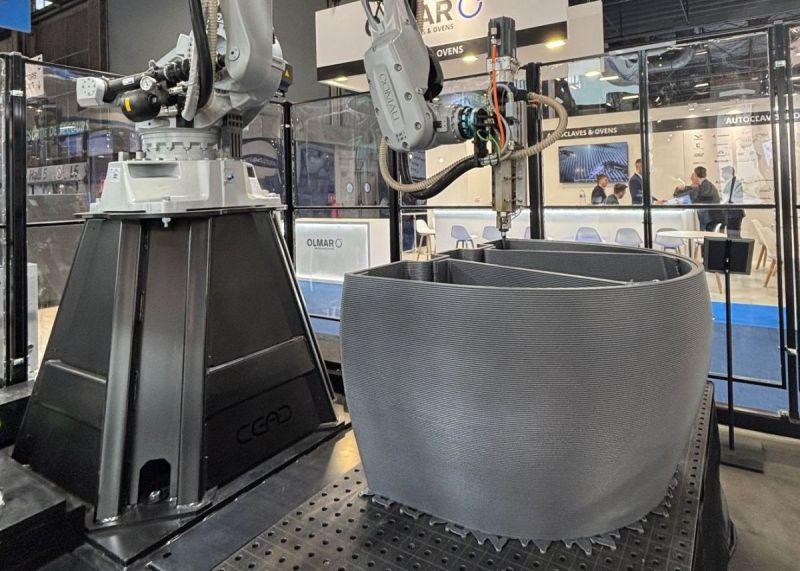
Jigs and fixtures
Make custom positioning aids, assembly supports and robotic tooling.
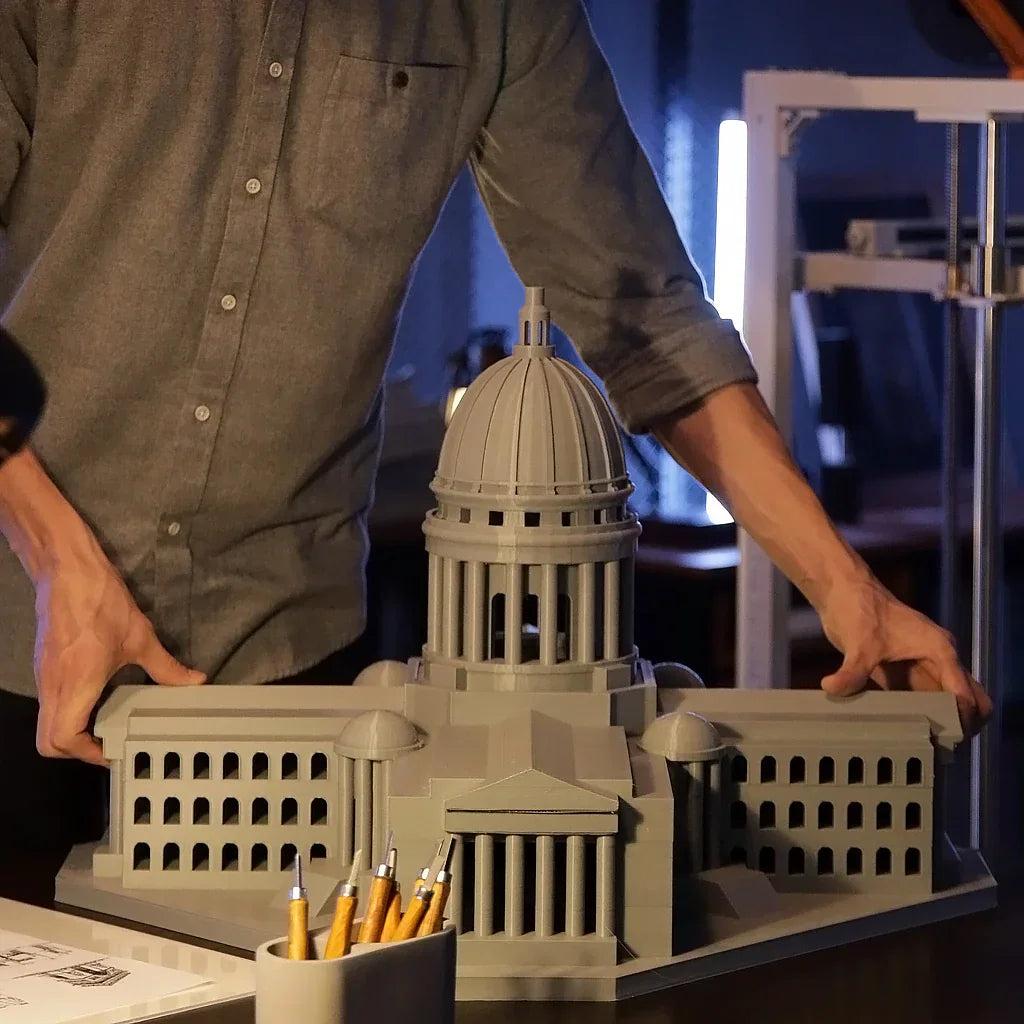
Architecture and large models
Build architectural models, furniture components and display structures.
05 · Garuda3D systemsGF500, GF1000 and hybrid Pellet + Filament IDEX
Garuda3D's three pellet-based options cover industrial prototyping, oversized components and workflows that also need filament printing.
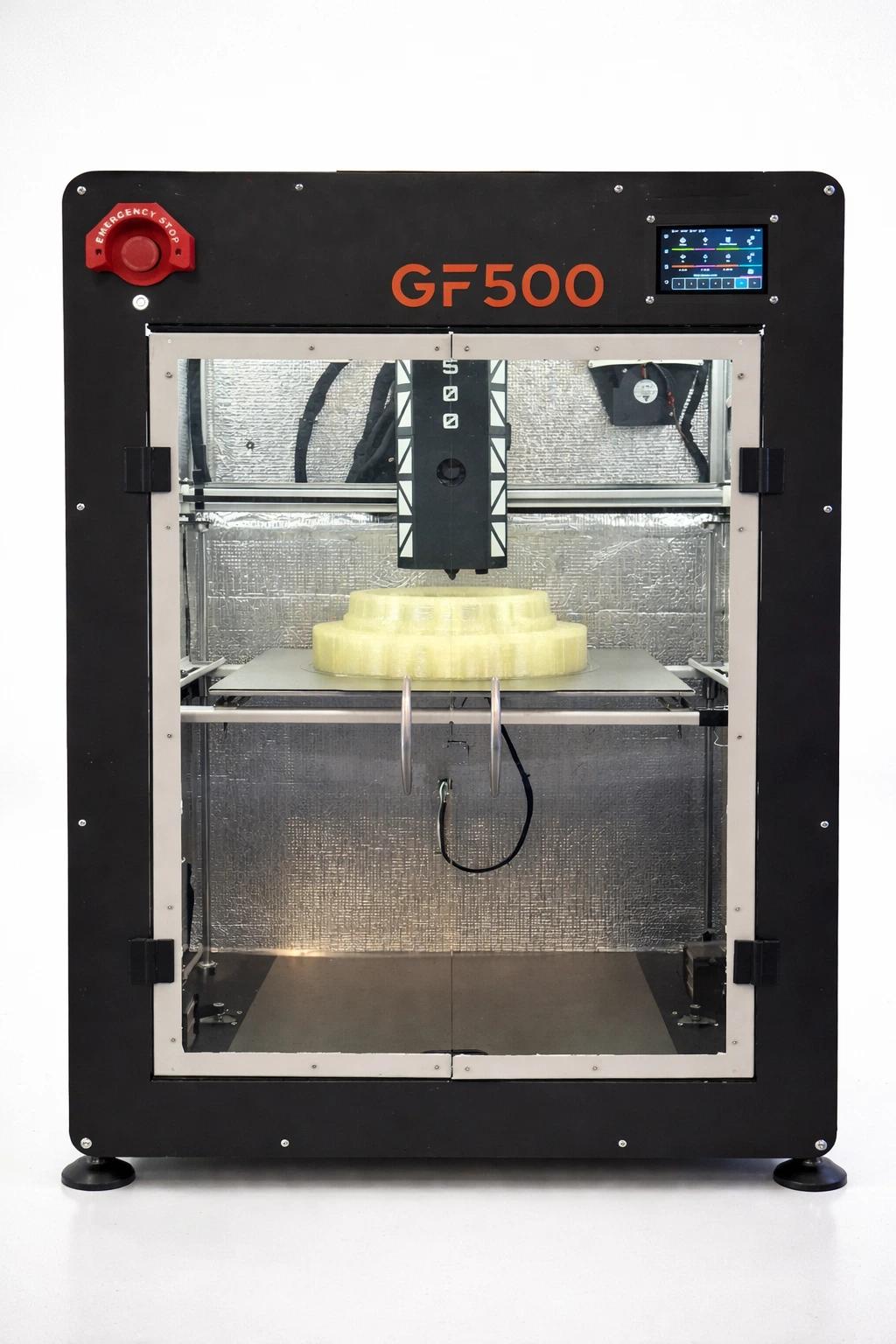
GF500 Pellet 3D Printer
500 × 500 × 500 mm
For functional prototypes, tooling, moulds and large engineering parts. Features include an enclosed metal frame, auger screw extrusion, automatic bed levelling, Klipper firmware and HEPA plus activated-carbon filtration. Published maximum nozzle temperature is up to 300°C and throughput is up to 0.5 kg/hour under specified test conditions.
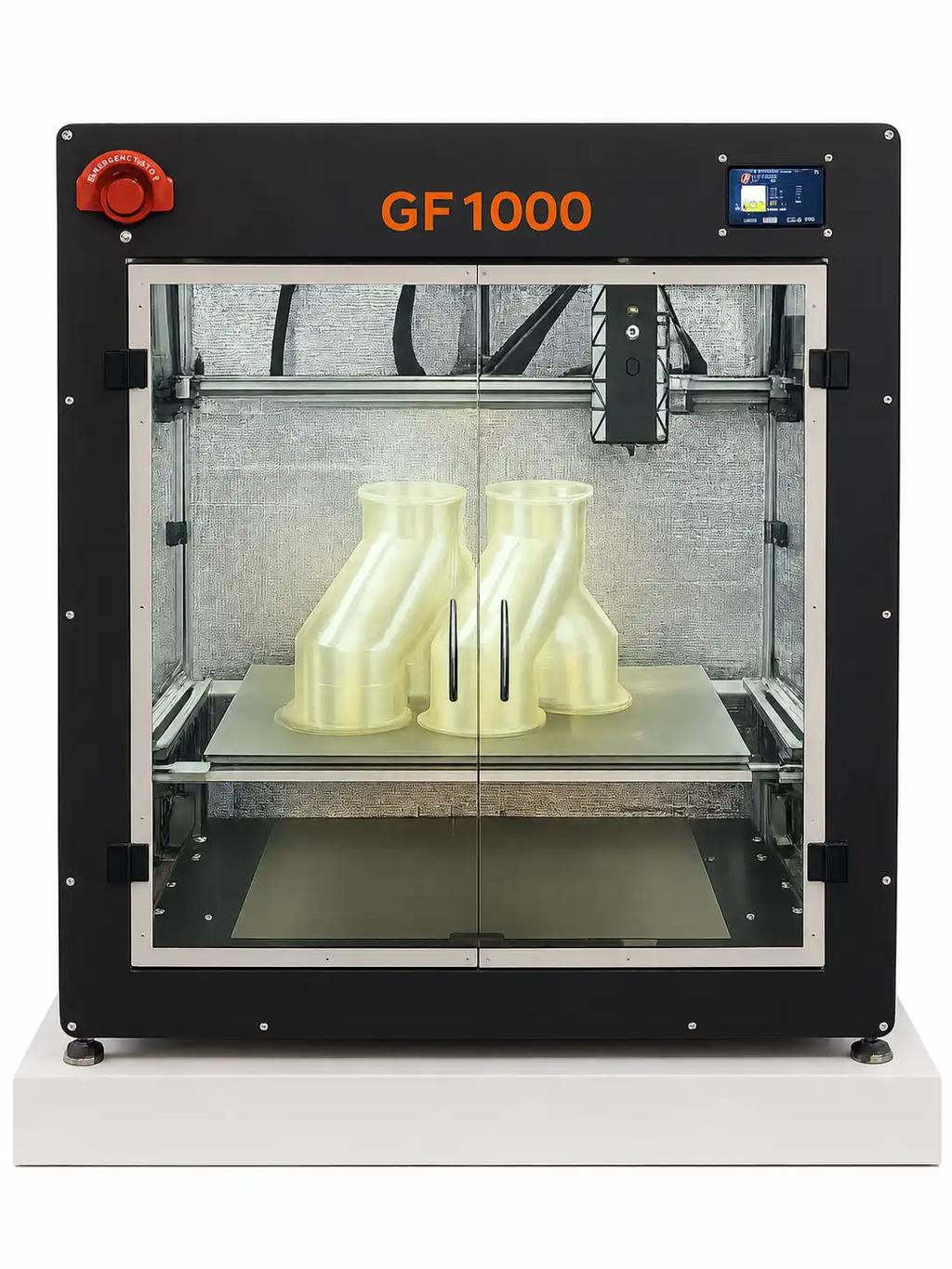
GF1000 Pellet 3D Printer
1000 × 1000 × 1000 mm
For oversized prototypes, industrial moulds, foundry patterns, manufacturing tools and large structural parts. Its cubic build volume can reduce part segmentation for applications that exceed a 500 mm build envelope. Published maximum nozzle temperature is up to 300°C and throughput is up to 0.5 kg/hour under specified test conditions.
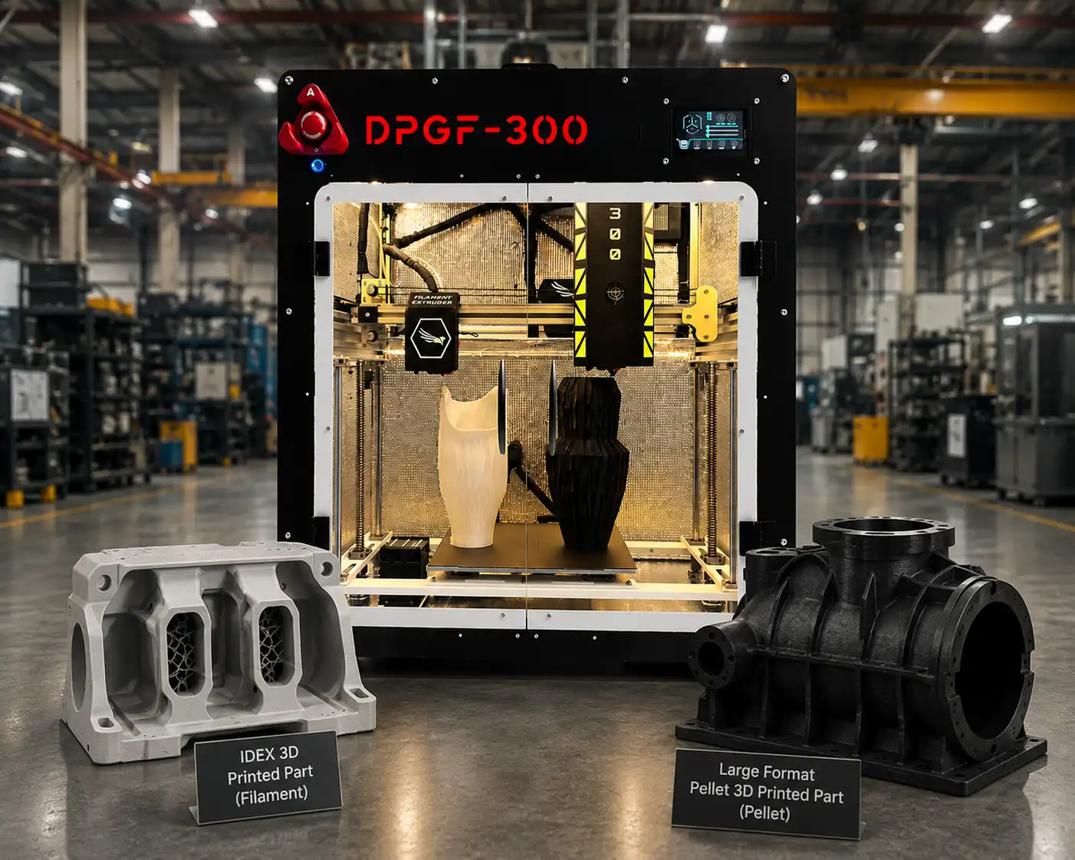
Pellet + Filament IDEX
Combines an independent pellet extrusion head for large-volume work with a conventional filament head for finer-detail parts. The heads print separately, giving product-development and R&D teams two process options in one machine.
Explore Pellet + Filament IDEX →06 · FeedstockMaterials used in pellet 3D printing
Pellet printers can process compatible thermoplastics and selected compounds. Typical examples include:
- PLA: concept models, demonstrations and selected prototypes.
- ABS: functional components and prototypes where impact resistance matters.
- PETG: durable parts needing a balance of toughness and chemical resistance.
- Flexible polymers: selected flexible components, depending on the system.
- PPGF and PPCF: glass-fibre or carbon-fibre reinforced polypropylene for applications requiring specific stiffness or reduced weight.
Performance depends on polymer grade, fibre content, drying, processing temperature, nozzle setup and print orientation. Reinforced materials may need wear-resistant extrusion components. Confirm compatibility for the specific printer and material before production.
07 · SelectionIs large-format pellet printing right for your business?
Consider pellet printing if your business regularly makes oversized plastic parts, uses significant quantities of filament, or needs to produce prototypes and tooling on shorter schedules. Before selecting a system, check maximum part dimensions, material properties, production volume, surface finish, tolerances and available floor space.
The GF500 suits parts within a 500 mm cubic build volume. The GF1000 supports substantially larger components. The hybrid Pellet + Filament IDEX adds an independent filament process for parts that need finer detail. Where buying a printer is not the right first step, Garuda3D also offers pellet 3D printing services; project feasibility depends on part dimensions, material and application.
08 · FAQsFrequently asked questions
It is an additive manufacturing process that uses raw thermoplastic pellets to produce large objects layer by layer. Common uses include industrial prototypes, tooling, moulds, fixtures and structural components.
Pellets can cost less than filament because they avoid the conversion of resin into filament. Actual savings depend on the material grade, supplier pricing, waste, processing and part geometry.
It can deposit material at a higher rate, which can shorten builds of large parts. Print time still depends on nozzle size, layer height, geometry, settings and required surface quality.
The GF500 has a 500 mm cubic build volume for industrial prototyping, tooling and medium-sized components. The GF1000 has a 1000 mm cubic build volume for larger components and manufacturing applications.
Some systems can process suitable recycled thermoplastics. Composition, particle size, moisture and processing characteristics all affect consistency, so confirm compatibility with the machine supplier.
Manufacturing, foundry, automotive, product development, architecture, furniture, robotics and industrial R&D can benefit when they need large components or tooling.
Yes. Garuda3D can produce large components, prototypes and tooling as a service. Feasibility depends on the part dimensions, material requirements and application.